Tag: uneven cooling

  • ❄️ Ductless Mini-Splits for Brea Homes, Garages, and Room Additions

    By Accurate Comfort HVAC | Brea | 714.325.7042
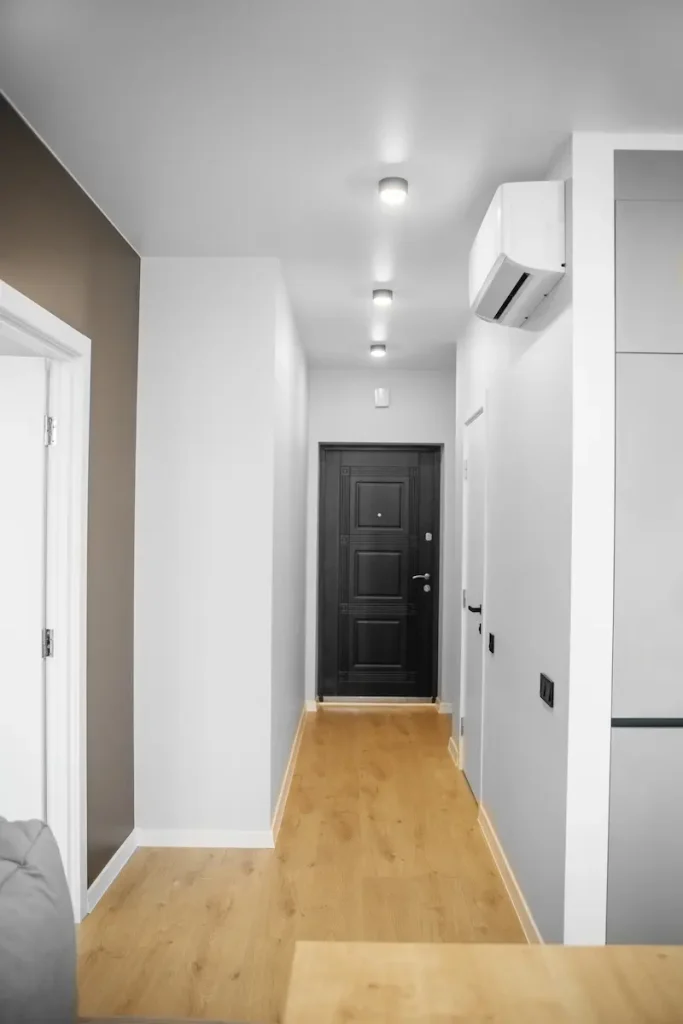
    Ductless Mini-Splits for Brea Homes, Garages, and Room Additions

    Keeping every room comfortable can be challenging, especially when your home has a converted garage, a newly constructed room addition, or areas that your existing HVAC system struggles to reach. Traditional central air conditioning isn’t always the most practical solution for these spaces. That’s why many homeowners are exploring ductless mini-splits in Brea as an energy-efficient and flexible alternative. At Accurate Comfort HVAC, we help homeowners discover how ductless mini-split systems can provide targeted heating and cooling without the need for extensive ductwork. Whether you’re upgrading an older home, creating a comfortable home office, or improving temperatures in a garage conversion, call 714.325.7042 for professional ductless mini-split installation in Brea.

    🏠 1. What Is a Ductless Mini-Split System?

    A ductless mini-split system is a heating and cooling solution that operates without traditional air ducts.

    Unlike central HVAC systems that distribute conditioned air through ductwork, ductless systems deliver heating or cooling directly into individual rooms or designated areas.

    Most mini-split systems consist of two main components:

    • Outdoor Unit: Contains the compressor and outdoor heat exchanger.
    • Indoor Air Handler: Delivers conditioned air directly into the living space.

    The indoor and outdoor components connect through refrigerant lines, electrical wiring, and communication cables.

    A condensate drain also removes moisture collected during cooling operation.

    Many modern ductless heat pump systems provide both heating and cooling, making them useful throughout the year.

    Because they do not require extensive ductwork, mini-splits can be especially practical for older homes, garages, additions, and other spaces where installing traditional ducts would be difficult or expensive.

    ❄️ 2. Why Ductless Mini-Splits Are Popular in Brea

    Brea homeowners experience warm summers, mild winters, and occasional periods of intense heat.

    These conditions make reliable air conditioning important, but not every home has an HVAC system designed to cool every space effectively.

    Mini-split air conditioners offer an alternative for rooms that need independent temperature control.

    Benefits of Ductless Mini-Splits Include:

    • Individual room temperature control
    • Heating and cooling from one system
    • No need for extensive ductwork
    • High-efficiency equipment options
    • Quiet indoor operation
    • Flexible installation configurations
    • Potentially lower energy consumption
    • Improved comfort in hard-to-cool spaces

    For homeowners seeking energy-efficient heating and cooling, ductless technology can provide a practical way to improve comfort without replacing an entire central HVAC system.

    🚗 3. Ductless Mini-Splits for Garages in Brea

    Garages are among the most common spaces where homeowners consider installing ductless heating and cooling.

    Many residential garages were not originally designed as conditioned living spaces.

    They often lack adequate insulation, have large exterior doors, and experience significant temperature fluctuations.

    During hot Southern California afternoons, garage temperatures can become uncomfortable.

    A properly designed garage mini-split system can help maintain more consistent temperatures in an appropriately insulated and air-sealed space.

    Common Uses for Garage Mini-Splits:

    • Home workshops
    • Hobby rooms
    • Exercise spaces
    • Home offices
    • Converted living areas
    • Art studios
    • Recreational spaces

    Unlike portable air conditioners, ductless mini-splits do not typically require a large exhaust hose through a window.

    They also provide more permanent temperature control.

    However, garages have special safety and building-code considerations. A mini-split should not be installed in a space with flammable vapors or other hazards without a qualified assessment, and heating or cooling a garage does not automatically make it a legal habitable room.

    Professional mini-split installation for garages helps ensure the equipment is appropriately selected and installed for the intended use.

    🏡 4. Mini-Splits Are Ideal for Room Additions

    Adding a bedroom, family room, home office, or enclosed living area can increase your home’s cooling requirements.

    Unfortunately, the existing central HVAC system may not have enough capacity to serve the new space.

    Extending ductwork can also be difficult, particularly when the addition is located far from the existing air handler.

    A ductless mini-split for room additions offers an alternative.

    Instead of modifying the entire central system, homeowners can install dedicated heating and cooling equipment for the new area.

    Advantages for Room Additions:

    • Independent temperature settings
    • Reduced need for major duct modifications
    • Flexible indoor unit placement
    • Efficient cooling for individual spaces
    • Heating capability during cooler weather
    • Less disruption to existing HVAC equipment

    Before selecting equipment, a professional should evaluate the addition’s square footage, insulation, windows, ceiling height, and sun exposure.

    Proper mini-split sizing is essential for efficient operation and dependable comfort.

    🌡️ 5. Solve Hot and Cold Spots in Older Brea Homes

    Older homes frequently experience uneven cooling.

    Some bedrooms may remain warm while the living room reaches the desired temperature.

    These differences can result from aging ductwork, insufficient insulation, poor airflow, or changes to the original floor plan.

    Installing a ductless AC system in a problem area may provide targeted cooling without requiring a complete replacement of the central air conditioner.

    For example, a west-facing bedroom that receives intense afternoon sunlight may benefit from dedicated temperature control.

    Common Problem Areas Include:

    • Upstairs bedrooms
    • Converted attics
    • Sunrooms
    • Home offices
    • Garage conversions
    • Older room additions
    • Spaces far from the central air handler

    However, not every hot spot requires new equipment.

    A professional HVAC evaluation can determine whether duct repairs, insulation improvements, or airflow adjustments would be more appropriate.

    ⚡ 6. Ductless Mini-Splits Can Improve Energy Efficiency

    One of the biggest advantages of modern energy-efficient mini-splits is their ability to provide targeted heating and cooling.

    Traditional ducted systems can lose energy through leaks and poorly insulated ductwork, especially when ducts pass through hot attics.

    Ductless systems eliminate these particular duct-related losses for the areas they serve.

    Many mini-splits also use inverter-driven compressors that adjust output to match changing heating or cooling demand.

    Instead of repeatedly operating at full capacity, these systems can often run at lower output levels when less conditioning is needed.

    Potential Energy Efficiency Benefits:

    • Reduced duct-related energy losses
    • Variable-capacity compressor operation
    • Individual temperature control
    • Less unnecessary conditioning of unused spaces
    • High seasonal efficiency ratings
    • Efficient heat pump heating

    Actual energy savings depend on the existing equipment, building insulation, system sizing, operating habits, and installation quality.

    Professional high-efficiency mini-split installation can help homeowners select equipment that matches their comfort goals and budget.

    🔥 7. Mini-Splits Provide Both Heating and Cooling

    Many homeowners associate mini-splits primarily with air conditioning.

    However, most modern ductless systems are heat pumps capable of providing both cooling and heating.

    During summer, the system removes heat from indoor air and transfers it outside.

    During cooler weather, the refrigeration cycle reverses, allowing the equipment to transfer heat from outdoor air into the home.

    This makes ductless heating and cooling systems useful throughout Brea’s changing seasons.

    Benefits of Heat Pump Operation:

    • One system provides heating and cooling.
    • No separate furnace is required for the served space.
    • Temperature control is available year-round.
    • Many models offer efficient heating performance.
    • Individual rooms can be conditioned as needed.

    Because Brea generally experiences mild winters, appropriately selected heat pump systems can be a practical option for many residential applications.

    🛠️ 8. Mini-Split Installation Usually Requires Less Construction

    Installing traditional ductwork in an existing home can require significant construction.

    Walls, ceilings, and attic spaces may need modifications to accommodate supply and return ducts.

    Ductless systems typically require smaller openings for refrigerant lines, wiring, and drainage.

    A Typical Mini-Split Installation Includes:

    1. Evaluating the room’s heating and cooling requirements.
    2. Selecting the appropriate equipment capacity.
    3. Choosing suitable indoor and outdoor unit locations.
    4. Installing mounting hardware.
    5. Routing refrigerant lines and electrical connections.
    6. Installing condensate drainage.
    7. Connecting and commissioning the equipment.
    8. Testing airflow, controls, and system performance.

    Although ductless installation may be less invasive than adding extensive ductwork, it still requires professional planning.

    Electrical requirements, refrigerant handling, drainage, equipment clearances, and local permitting must be addressed.

    Professional ductless HVAC installation helps ensure safe operation and dependable performance.

    🌀 9. Single-Zone vs. Multi-Zone Mini-Split Systems

    Homeowners considering mini-split installation in Brea generally have two primary configurations to choose from.

    Single-Zone Mini-Split Systems

    A single-zone system connects one outdoor unit to one indoor air handler.

    This configuration is commonly used for:

    • Individual bedrooms
    • Garage conversions
    • Home offices
    • Workshops
    • Small room additions

    Single-zone systems provide dedicated temperature control for one area.

    Multi-Zone Mini-Split Systems

    A multi-zone system connects one compatible outdoor unit to multiple indoor air handlers.

    Each indoor unit can typically have its own temperature setting, subject to the system’s operating capabilities.

    Multi-zone systems may be useful for:

    • Multiple bedrooms
    • Larger home additions
    • Older homes without ductwork
    • Separate living areas
    • Homes needing individualized room comfort

    The best configuration depends on the number of rooms, equipment capacity, layout, and installation requirements.

    In some cases, multiple single-zone systems may offer advantages over one multi-zone configuration.

    A professional HVAC system design can help determine the most appropriate approach.

    🔇 10. Ductless Mini-Splits Offer Quiet Operation

    Noise can be an important consideration when selecting heating and cooling equipment.

    Window air conditioners and some older HVAC systems may produce noticeable operating sounds.

    Many modern ductless air conditioners are designed for relatively quiet indoor operation.

    Variable-speed fans and inverter-driven compressors allow compatible systems to adjust their output without constantly running at maximum capacity.

    This can make ductless equipment especially appealing for:

    • Bedrooms
    • Nurseries
    • Home offices
    • Reading rooms
    • Guest rooms
    • Media rooms

    Sound levels vary by manufacturer, model, operating mode, and installation conditions.

    Reviewing equipment specifications can help homeowners select a system appropriate for noise-sensitive spaces.

    💨 11. Mini-Splits Can Support Better Indoor Comfort

    A properly sized mini-split does more than simply blow cold air.

    Many systems provide precise temperature control, adjustable fan speeds, and directional airflow settings.

    Some models also offer dehumidification modes and enhanced filtration features.

    Comfort Features May Include:

    • Remote temperature control
    • Programmable operating schedules
    • Adjustable airflow direction
    • Multiple fan speeds
    • Sleep modes
    • Compatible Wi-Fi controls
    • Room-specific temperature settings

    These features can help homeowners maintain comfortable conditions in frequently used spaces.

    However, mini-split filters are generally not substitutes for dedicated high-efficiency air purification systems.

    Professional indoor air quality solutions may still be appropriate for households with specific filtration or ventilation needs.

    💰 12. How Much Does a Ductless Mini-Split Cost in Brea?

    The cost of ductless mini-split installation in Brea depends on several factors.

    A single-zone system for a small bedroom will generally have different installation requirements than a multi-zone system serving several rooms.

    Factors That Affect Installation Costs:

    • Number of indoor air handlers
    • Heating and cooling capacity
    • Equipment efficiency
    • Manufacturer and model
    • Electrical panel capacity
    • Refrigerant line length
    • Installation accessibility
    • Condensate drainage requirements
    • Mounting and structural considerations
    • Permits and applicable code requirements

    Additional work may be needed when installing a system in a converted garage or newly constructed addition.

    The best way to determine the cost is through a professional evaluation and detailed installation estimate.

    Homeowners should compare equipment specifications, warranty coverage, installation scope, and long-term operating costs rather than focusing exclusively on the lowest initial price.

    📏 13. Proper Mini-Split Sizing Is Essential

    Choosing the correct capacity is one of the most important parts of mini-split system installation.

    An undersized unit may struggle to maintain comfortable temperatures during hot weather.

    An oversized system may cycle inefficiently or provide less effective humidity control, depending on its minimum operating capacity and system design.

    Sizing should account for more than room square footage.

    Important Sizing Factors Include:

    • Room dimensions
    • Ceiling height
    • Insulation levels
    • Window size and orientation
    • Sun exposure
    • Air leakage
    • Occupancy
    • Internal heat-producing equipment
    • Local climate conditions

    For garage conversions, insulation and air sealing are particularly important because many garages were not originally constructed for continuous heating and cooling.

    A professional cooling and heating load calculation helps determine the appropriate equipment capacity.

    Correct sizing supports efficiency, comfort, and equipment longevity.

    🧰 14. Ductless Mini-Splits Still Need Regular Maintenance

    Although ductless systems eliminate the need for traditional air ducts, they are not maintenance-free.

    Indoor air handlers contain filters, coils, fans, and condensate drainage components that require attention.

    Outdoor units also need adequate airflow and periodic inspection.

    Routine Mini-Split Maintenance May Include:

    • Cleaning reusable indoor filters
    • Inspecting indoor coils
    • Checking condensate drainage
    • Cleaning blower components as needed
    • Inspecting outdoor condenser coils
    • Checking electrical connections
    • Evaluating refrigerant system performance
    • Verifying heating and cooling operation

    Filter cleaning intervals vary depending on manufacturer recommendations, usage, and household conditions.

    Professional ductless mini-split maintenance helps support efficient operation and may reduce the likelihood of unexpected repairs.

    Homeowners should also keep furniture and other objects from blocking indoor air handlers.

    🏡 15. Are Mini-Splits Better Than Central Air Conditioning?

    Both ductless mini-splits and traditional central air conditioning systems offer advantages.

    The right choice depends on your home’s layout, existing ductwork, comfort needs, and budget.

    Ductless Mini-Splits May Be Better When:

    • The home has no existing ductwork.
    • A garage conversion needs dedicated cooling.
    • A room addition is difficult to connect to central air.
    • Individual rooms need separate temperature control.
    • Installing new ducts would be expensive or disruptive.

    Central Air Conditioning May Be Better When:

    • The home already has well-designed ductwork.
    • Whole-home cooling is the primary goal.
    • Homeowners prefer a centralized distribution system.
    • Existing equipment can be upgraded efficiently.
    • Multiple rooms require similar temperature settings.

    Some homes benefit from a combination of both systems.

    For example, a central air conditioner may serve the main living areas while a mini-split provides supplemental cooling for a converted garage or distant bedroom.

    A professional HVAC consultation in Brea can help identify the most practical solution.

    🌴 16. Why Mini-Splits Work Well in Southern California

    Southern California’s climate makes heat pump technology appealing for many residential applications.

    Brea experiences warm summers that require dependable cooling, while winter temperatures are generally moderate enough for appropriately selected heat pumps to provide efficient heating.

    Mini-splits can also help homeowners address comfort challenges created by older home construction.

    Local Applications Include:

    • Cooling west-facing bedrooms during hot afternoons
    • Conditioning home offices used throughout the day
    • Heating and cooling garage conversions
    • Improving comfort in older homes without ducts
    • Serving new room additions
    • Providing independent temperature control for guest spaces

    Because many homeowners use certain rooms more frequently than others, targeted temperature control can offer convenience and potential energy savings.

    A properly installed ductless HVAC system in Brea can provide flexible comfort without requiring major changes to existing ductwork.

    ⚠️ 17. Important Considerations Before Installing a Garage Mini-Split

    Garages require special attention when planning heating and cooling improvements.

    Unlike traditional living spaces, garages may contain vehicles, stored fuels, chemicals, tools, and other equipment.

    Before installing a mini-split, homeowners should evaluate how the garage will be used.

    Important Considerations Include:

    • Adequate insulation and air sealing
    • Appropriate electrical service
    • Safe equipment placement
    • Proper condensate drainage
    • Manufacturer installation requirements
    • Local building permits
    • Garage fire separation requirements
    • Potential exposure to flammable vapors

    If the garage is being converted into a bedroom, office, or other habitable space, additional building-code requirements may apply.

    A mini-split installation alone does not make a garage conversion code-compliant.

    Professional planning helps ensure that the heating and cooling solution is appropriate for the space.

    📅 18. When Is the Best Time to Install a Mini-Split?

    Spring and fall are often convenient seasons for scheduling ductless mini-split installation.

    During these periods, homeowners may have more flexibility because heating and cooling demand is typically lower than during peak weather conditions.

    Installing before summer also allows time to test the system before intense heat arrives.

    However, mini-splits can be installed throughout the year when site conditions and scheduling allow.

    Signs It May Be Time to Consider Installation:

    • A room remains uncomfortable despite central AC operation.
    • A garage conversion needs heating and cooling.
    • A new addition lacks adequate HVAC service.
    • Existing ductwork cannot efficiently serve a space.
    • Window air conditioners are noisy or inconvenient.
    • A home without ducts needs a permanent comfort solution.

    Planning ahead gives homeowners time to compare equipment options and prepare the installation area.

    🔧 19. Why Professional Mini-Split Installation Matters

    Proper installation is essential for reliable mini-split performance.

    Even high-quality equipment can experience problems if it is incorrectly sized, improperly mounted, or installed without following manufacturer requirements.

    Professional installation helps address important technical considerations, including:

    • Accurate heating and cooling load calculations
    • Compatible equipment selection
    • Refrigerant line installation
    • Electrical safety
    • Condensate management
    • Outdoor equipment clearances
    • System commissioning
    • Manufacturer warranty requirements

    An experienced HVAC technician can also explain how to operate and maintain the equipment for dependable long-term performance.

    Professional mini-split installation services help homeowners avoid common installation mistakes and get the most from their investment.

    ❄️ Enjoy Customized Comfort With Ductless Mini-Splits in Brea

    Whether you’re improving an older home, transforming a garage into a functional workspace, or adding a new room, ductless mini-split systems offer a flexible way to achieve reliable heating and cooling without extensive ductwork. With energy-efficient operation, individual temperature control, and versatile installation options, mini-splits can be an excellent solution for many Southern California homes. At Accurate Comfort HVAC, we provide professional ductless mini-split installation in Brea, mini-split maintenance, and HVAC system evaluations to help homeowners find the right comfort solution for their space. If you’re ready to explore ductless mini-splits for your Brea home, garage, or room addition, call 714.325.7042 today to schedule a professional consultation and discover the benefits of customized, year-round comfort.
  • ❄️ Why Older Brea Homes Often Experience Uneven Cooling

    By Accurate Comfort HVAC | Brea | 714.325.7042

    Why Older Brea Homes Often Experience Uneven Cooling

    If you live in an older home in Brea, you may have noticed that some rooms stay comfortably cool while others feel noticeably warmer. This frustrating problem, known as uneven cooling, is common in homes with aging air conditioning systems, outdated ductwork, and insufficient insulation. Many older properties were built before modern energy efficiency standards and today’s advanced cooling technologies became widely available. At Accurate Comfort HVAC, we help homeowners understand the causes of uneven cooling in older homes and find effective solutions that improve comfort and efficiency. If your air conditioner struggles to maintain consistent temperatures throughout your house, call 714.325.7042 for professional AC repair in Brea.

    🏠 1. Older Homes Were Designed for Different Cooling Needs

    Many older Brea homes were constructed during a time when residential air conditioning was less common or when cooling systems were designed using different standards.

    As a result, some properties have HVAC layouts that do not adequately distribute conditioned air throughout the entire home.

    Over the years, homeowners may have added rooms, converted garages, enclosed patios, or remodeled living spaces without updating the original cooling system.

    These changes can create significant airflow imbalances.

    Common Cooling Challenges in Older Homes:

    • Bedrooms that remain warmer than living areas
    • Upstairs rooms that struggle to cool down
    • Additions that receive insufficient conditioned air
    • Hallways that feel cooler than surrounding rooms
    • Air conditioners that run continuously without reaching the desired temperature

    Professional HVAC system evaluation can help determine whether the original cooling design still meets the home’s current needs.

    🌬️ 2. Aging Ductwork Can Cause Uneven Air Distribution

    One of the most common reasons for uneven cooling in older Brea homes is deteriorating ductwork.

    Your home’s duct system is responsible for distributing cooled air from the air conditioner to individual rooms.

    Over time, ductwork can develop leaks, disconnected joints, damaged insulation, and airflow restrictions.

    When conditioned air escapes into attics, crawl spaces, or other unconditioned areas, less cool air reaches the rooms where it is needed.

    Signs of Aging Ductwork Include:

    • Weak airflow from certain vents
    • Noticeable temperature differences between rooms
    • Excessive dust near air registers
    • Unusually high cooling bills
    • Longer air conditioning cycles

    Professional air duct inspection and duct sealing services can help identify and correct these problems.

    Properly sealed ductwork allows more conditioned air to reach occupied spaces, improving comfort and reducing unnecessary energy loss.

    ☀️ 3. Insufficient Insulation Allows Heat to Enter

    Older homes frequently have insulation levels that fall below modern recommendations.

    During Brea’s warm summer months, heat can enter through poorly insulated attics, exterior walls, and ceilings.

    Rooms exposed to direct afternoon sunlight may become especially uncomfortable.

    Without adequate insulation, your air conditioning system must work harder to overcome incoming heat.

    Areas That Commonly Need Attention:

    • Attic floors and roof assemblies
    • Exterior walls
    • Ceilings beneath hot attic spaces
    • Garage-adjacent rooms
    • Areas surrounding recessed lighting and attic access openings

    Improving insulation and sealing unwanted air leaks can reduce heat gain and help maintain more consistent indoor temperatures.

    A comprehensive home cooling efficiency assessment can help identify areas where insulation improvements may provide the greatest benefit.

    🔥 4. Older Windows Increase Indoor Heat Gain

    Windows can significantly influence indoor temperatures, especially in older homes.

    Many older properties have single-pane windows or aging window assemblies that allow substantial heat transfer.

    During sunny afternoons, rooms with west-facing windows may become considerably warmer than shaded areas.

    Even a properly functioning air conditioner can struggle to offset this additional heat load.

    Potential Improvements Include:

    • Installing energy-efficient replacement windows
    • Adding appropriate solar-control window films
    • Using insulated curtains or cellular shades
    • Installing exterior shading where practical
    • Sealing gaps around window frames

    Reducing solar heat gain helps your cooling system maintain more consistent temperatures throughout the home.

    These improvements can be especially helpful for rooms that receive intense afternoon sunlight.

    ⚙️ 5. Your Air Conditioner May Be Improperly Sized

    An air conditioner must be correctly sized to match the home’s cooling requirements.

    An oversized system can cool the area near the thermostat too quickly, causing the unit to shut off before other rooms become comfortable.

    An undersized system may struggle to maintain the desired temperature during periods of extreme heat.

    Older homes are particularly vulnerable to sizing problems when previous HVAC replacements were performed without accounting for renovations, insulation improvements, or changes in living space.

    Signs of an Improperly Sized AC System:

    • Frequent short cycling
    • Excessively long cooling cycles
    • Persistent hot spots
    • Inconsistent indoor temperatures
    • Difficulty maintaining comfort during hot weather

    Professional air conditioner sizing should involve a detailed cooling load calculation rather than simply replacing the existing unit with equipment of the same capacity.

    A properly sized system can improve temperature consistency, humidity control, and overall cooling efficiency.

    🌡️ 6. Thermostat Placement Can Affect Cooling Performance

    Your thermostat controls when the air conditioner starts and stops.

    If it is installed in an area that does not accurately represent the home’s overall temperature, certain rooms may remain uncomfortable.

    For example, a thermostat located in a naturally cool hallway may shut off the cooling system before warmer bedrooms reach the desired temperature.

    Likewise, a thermostat exposed to direct sunlight may cause the system to run longer than necessary.

    Poor Thermostat Locations Include:

    • Areas receiving direct sunlight
    • Spaces near exterior doors
    • Walls exposed to unusual heat sources
    • Locations directly beneath supply vents
    • Rooms with significantly different temperatures from the rest of the home

    Professional thermostat installation or relocation may help improve temperature control.

    In some homes, smart thermostats with compatible remote temperature sensors can also improve comfort by monitoring conditions in multiple rooms.

    🌀 7. Blocked Vents and Restricted Airflow Create Hot Spots

    Airflow restrictions are another major contributor to uneven air conditioning.

    Over time, furniture arrangements, rugs, curtains, and household storage can obstruct supply or return air vents.

    Dirty air filters and neglected cooling equipment can also reduce airflow.

    When the air conditioner cannot circulate air properly, certain rooms may receive insufficient cooling.

    Simple Airflow Improvements:

    • Keep supply registers unobstructed.
    • Make sure return air grilles are clear.
    • Replace dirty air filters regularly.
    • Avoid blocking vents with furniture.
    • Have airflow problems professionally evaluated.

    Homeowners should avoid closing multiple vents in an attempt to redirect cool air without professional guidance.

    Doing so can increase duct pressure and create additional airflow problems.

    A professional HVAC airflow balancing service can help determine whether adjustments are needed to distribute conditioned air more effectively.

    🏡 8. Two-Story Homes Often Have Temperature Differences

    If your older Brea home has two stories, you may notice that upstairs rooms remain warmer than downstairs spaces.

    This occurs partly because heat gains through the roof and upper walls can be substantial, while warm air movement and differences in airflow distribution can contribute to temperature imbalances.

    During hot weather, upstairs bedrooms may require more cooling than lower-level living areas.

    Older duct systems may not be designed to handle these differences effectively.

    Potential Solutions Include:

    • Improving attic insulation
    • Sealing attic air leaks
    • Evaluating upstairs duct capacity
    • Installing properly designed zoning controls
    • Adding compatible temperature sensors
    • Considering supplemental ductless cooling where appropriate

    A professional HVAC zoning system may allow different areas of the home to receive cooling according to their individual needs.

    However, zoning must be designed carefully to maintain appropriate airflow and equipment operation.

    🔧 9. Aging AC Equipment May Be Losing Cooling Performance

    Even a properly sized air conditioner can lose performance as components wear or become dirty.

    Older systems may develop problems involving refrigerant circuits, blower motors, evaporator coils, electrical components, or controls.

    These issues can reduce cooling capacity and contribute to uneven temperatures.

    Warning Signs of an Aging Air Conditioner:

    • Increasing energy bills
    • Frequent repair needs
    • Reduced airflow
    • Unusual operating noises
    • Inconsistent cooling performance
    • Difficulty reaching thermostat settings

    Professional air conditioning maintenance can identify developing problems and help restore equipment performance when repairs are appropriate.

    If your system is approaching the end of its useful life, an HVAC professional can help compare repair costs with the potential benefits of a modern, energy-efficient replacement.

    🚪 10. Home Renovations Can Disrupt the Original HVAC Design

    Older homes often undergo multiple renovations over the years.

    Room additions, wall removals, garage conversions, and remodeled living spaces can change how air moves throughout a property.

    Unfortunately, HVAC modifications are sometimes overlooked during these projects.

    A newly enclosed room may not have adequate ductwork, while an expanded living area may exceed the capacity of the original cooling system.

    Common Renovation-Related Problems:

    • Insufficient cooling in home additions
    • Poor airflow in converted garages
    • Hot spots in expanded bedrooms
    • Inadequate return air pathways
    • Cooling equipment that no longer matches the home’s layout

    A professional residential HVAC assessment can evaluate how renovations have affected cooling performance and identify practical solutions.

    💡 How Can You Fix Uneven Cooling in an Older Brea Home?

    The best solution depends on the underlying cause.

    Because multiple factors can contribute to temperature differences, an accurate diagnosis is essential.

    A professional HVAC technician may recommend one or more of the following improvements:

    1. Ductwork Repairs and Sealing

    Repairing disconnected or leaking ducts can improve the delivery of conditioned air.

    2. Airflow Balancing

    Measuring and adjusting airflow can help reduce temperature differences between rooms.

    3. Insulation and Air Sealing

    Reducing unwanted heat gain can make warmer rooms easier to cool.

    4. Thermostat Improvements

    Better thermostat placement or compatible remote sensors can improve temperature management.

    5. HVAC Zoning

    Properly engineered zoning systems can provide more individualized temperature control.

    6. Ductless Mini-Split Installation

    A ductless mini-split system may be an effective solution for a room addition, converted garage, or other area that is difficult to cool with existing ductwork.

    7. Air Conditioner Replacement

    When equipment is outdated, inefficient, or improperly sized, a professionally designed replacement system may provide better comfort and performance.

    The goal is to address the actual causes of uneven temperatures rather than relying on temporary adjustments that may not solve the problem.

    💰 Does Uneven Cooling Increase Your Energy Bills?

    Yes, uneven cooling can contribute to higher electricity costs.

    When certain rooms remain too warm, homeowners often lower the thermostat in an attempt to make those spaces more comfortable.

    Unfortunately, this can cause already-cool rooms to become excessively cold while the air conditioner operates longer.

    The result may be increased electricity consumption without a meaningful improvement in whole-home comfort.

    Addressing airflow restrictions, duct leakage, insulation deficiencies, and equipment problems can help reduce unnecessary cooling demand.

    Professional energy-efficient cooling solutions focus on improving comfort while helping the system operate more effectively.

    📅 Why Regular AC Maintenance Matters for Older Homes

    Older homes can place unique demands on air conditioning equipment.

    Aging ductwork, insulation deficiencies, and years of system modifications can contribute to additional cooling challenges.

    Scheduling professional AC maintenance in Brea before the summer season helps prepare your system for periods of high demand.

    During a maintenance visit, a qualified technician may:

    • Inspect air filters and airflow
    • Evaluate blower operation
    • Check evaporator and condenser coils
    • Inspect electrical components
    • Verify thermostat operation
    • Assess refrigerant system performance
    • Inspect condensate drainage
    • Identify visible ductwork concerns
    • Evaluate overall cooling operation

    Routine maintenance cannot correct every home design problem, but it can help identify equipment issues that contribute to poor cooling performance.

    🌴 Why Uneven Cooling Is Especially Noticeable During Brea Summers

    Brea experiences warm summer weather, and periods of intense afternoon heat can expose weaknesses in older home cooling systems.

    Rooms with west-facing windows, inadequate attic insulation, or limited airflow may become noticeably warmer as outdoor temperatures rise.

    These problems can be particularly frustrating when family members are trying to sleep, work from home, or relax indoors.

    Improving cooling distribution helps create a more comfortable environment throughout the house.

    For older properties, combining HVAC improvements with insulation upgrades and better solar heat control may deliver more effective results than simply lowering the thermostat.

    🛠️ When Should You Call a Professional for Uneven Cooling?

    Occasional minor temperature differences are normal in many homes.

    However, persistent hot spots may indicate an underlying problem that requires professional attention.

    Consider scheduling professional AC repair if:

    • One or more rooms consistently remain uncomfortable.
    • Your air conditioner runs continuously.
    • Airflow is noticeably weaker in certain rooms.
    • Energy bills increase without an obvious explanation.
    • Your system frequently cycles on and off.
    • Cooling performance has gradually declined.
    • Your home has undergone renovations without HVAC upgrades.

    A professional evaluation can help distinguish between equipment problems, ductwork deficiencies, and building-related heat gain.

    Early diagnosis may also prevent unnecessary equipment strain and avoid spending money on improvements that do not address the actual cause.

    ❄️ Restore Consistent Comfort Throughout Your Older Brea Home

    Living in an older home doesn’t mean you have to accept uncomfortable hot spots, inconsistent temperatures, or excessive cooling costs. Whether the problem involves aging ductwork, inadequate insulation, restricted airflow, or an outdated air conditioning system, the right improvements can make a noticeable difference. Accurate Comfort HVAC provides professional AC repair in Brea, HVAC airflow balancing, and air conditioning maintenance to help homeowners achieve more reliable indoor comfort. If you’re tired of dealing with uneven cooling in your Brea home, call 714.325.7042 today to schedule an HVAC evaluation and discover how to keep every room more comfortable throughout the warmer months.

  • 🌡️ Common Causes of Uneven Temperatures Throughout Your Home

    By Accurate Comfort HVAC | Brea | 714.325.7042

    Common Causes of Uneven Temperatures Throughout Your Home

    One room feels comfortable, another is noticeably warmer, and a third seems cold no matter where you set the thermostat. Uneven temperatures throughout your home are more than an inconvenience—they can indicate airflow restrictions, duct problems, insufficient insulation, incorrect equipment sizing, or other HVAC concerns.

    Some temperature variation is normal. Upstairs rooms, spaces with large windows, and areas exposed to afternoon sunlight may naturally become warmer. However, large or persistent differences deserve attention, especially when they appear suddenly or cause your HVAC system to run continuously.

    Identifying the underlying cause is the first step toward creating more consistent comfort without unnecessarily increasing energy use.

    🚪 1. Closed or Blocked Supply Vents

    Supply vents deliver heated or cooled air into each room. When furniture, curtains, rugs, or boxes block those vents, the conditioned air cannot circulate effectively.

    Walk through your home and check that:

    • Supply registers are open
    • Furniture is not covering floor vents
    • Curtains are not hanging over registers
    • Rugs are not blocking airflow
    • Vent louvers point toward the occupied area
    • Registers are reasonably clean

    Closing vents in unused rooms may seem like a simple way to save energy, but it can increase pressure inside the duct system and disrupt designed airflow. Unless your HVAC system was specifically designed for zoning, keep most supply vents open.

    💨 2. Blocked Return-Air Grilles

    Return grilles pull indoor air back into the HVAC system so it can be heated or cooled again. If a return is obstructed, air circulation may become unbalanced.

    Large furniture, storage containers, dust buildup, or closed interior doors can interfere with return airflow. Some bedrooms have supply vents but depend on a central return located in a hallway. Closing the bedroom door may restrict the air’s path back to that return.

    Possible solutions may include:

    • Moving furniture away from return grilles
    • Cleaning dusty grille surfaces
    • Leaving interior doors slightly open
    • Installing appropriate transfer grilles
    • Adding return-air pathways
    • Evaluating the duct design

    Do not remove or modify return ductwork without professional guidance. Proper return airflow is essential to HVAC performance.

    🧹 3. A Dirty Air Filter

    A clogged air filter reduces the amount of air moving through the system. Rooms located farther from the air handler may receive even less conditioned air when airflow is restricted.

    A dirty filter may cause:

    • Weak airflow
    • Uneven heating or cooling
    • Longer operating cycles
    • Higher energy consumption
    • Increased blower strain
    • Evaporator coil freezing
    • Excessive dust around vents

    Inspect the filter monthly and replace it when dirty. Many filters need replacement every one to three months, although the correct schedule depends on filter type, system use, pets, allergies, and household dust.

    Use the correct filter size and follow the airflow arrow printed on its frame. An overly restrictive filter can also create airflow problems if the system is not designed to accommodate it.

    🔗 4. Leaking or Disconnected Ductwork

    Ducts carry conditioned air from the HVAC equipment to different parts of your home. Gaps, cracks, deteriorated seals, and disconnected sections can allow that air to escape before reaching the intended rooms.

    Duct leakage can be particularly wasteful when ducts pass through an attic, garage, crawlspace, or other unconditioned area.

    Signs of leaking air ducts include:

    • Weak airflow from certain vents
    • Persistent hot or cold rooms
    • Whistling or rattling noises
    • Excessive indoor dust
    • Rising energy consumption
    • Visible gaps in accessible ducts
    • A room that suddenly becomes uncomfortable

    Professional duct testing can locate leaks that are hidden behind walls or insulation. Proper sealing may improve comfort and reduce energy loss.

    📏 5. Incorrectly Sized or Poorly Designed Ducts

    Even when ducts do not leak, their size and layout may prevent balanced air distribution. Runs that are too small, excessively long, sharply bent, or poorly configured can restrict airflow to certain rooms.

    Potential duct-design problems include:

    • Undersized branch ducts
    • Too few supply vents
    • Inadequate return-air pathways
    • Crushed or kinked flexible ducts
    • Excessive bends
    • Long duct runs
    • Poorly adjusted dampers
    • Uninsulated ducts in hot spaces

    Rooms farthest from the HVAC equipment often reveal these problems first. A professional airflow assessment can determine whether duct modifications, damper adjustments, or additional returns are appropriate.

    🏚️ 6. Insufficient or Damaged Insulation

    Insulation slows heat transfer between conditioned rooms and surrounding areas. When attic, wall, or floor insulation is inadequate, certain spaces may gain or lose heat faster than others.

    Possible signs of poor insulation include:

    • Upstairs rooms that become very warm
    • Rooms over garages that feel uncomfortable
    • Large temperature changes near ceilings
    • Rapid heat loss during cooler weather
    • An HVAC system that runs for extended periods
    • High seasonal energy consumption

    Insulation may also become compressed, displaced, wet, or damaged over time. An insulation or home-energy professional can assess existing materials and recommend appropriate improvements.

    Adding insulation without first addressing air leakage or moisture problems may not provide the expected results, so the home should be evaluated as a complete system.

    🪟 7. Air Leaks Around Windows and Doors

    Gaps around windows, exterior doors, attic hatches, plumbing penetrations, and other openings allow outdoor air to enter the home. Conditioned air can escape through the same gaps.

    Rooms with significant air leakage may feel warmer in summer and colder in winter.

    Check for leaks around:

    • Door frames
    • Window frames
    • Attic access points
    • Fireplace dampers
    • Recessed lighting
    • Utility penetrations
    • Exterior wall outlets
    • Pet doors
    • Older weatherstripping

    Appropriate caulking and weatherstripping can correct many small gaps. Larger or hidden leakage may require professional air-sealing work.

    ☀️ 8. Sunlight and Window Orientation

    Rooms do not receive equal amounts of solar heat. East-facing spaces may warm up in the morning, while west-facing rooms can become especially hot in the afternoon. Large windows and glass doors may intensify the effect.

    Reduce unwanted heat gain with:

    • Blinds
    • Curtains
    • Shades
    • Exterior awnings
    • Solar screens
    • Appropriate window films
    • Strategic landscaping

    Close coverings before direct sunlight reaches the glass. Window treatments can improve comfort, but persistent temperature differences may still require HVAC or insulation improvements.

    🏠 9. Heat Naturally Rises Between Floors

    In a multi-level home, warmer air tends to move upward while cooler air settles lower. The upper floor may therefore remain warmer during summer, particularly when the thermostat is located downstairs.

    Temperature differences between floors may be influenced by:

    • Stairwell design
    • Attic heat
    • Insufficient upstairs insulation
    • Inadequate return airflow
    • Limited supply airflow
    • Thermostat location
    • Duct leakage
    • A single-zone HVAC system

    Ceiling fans may improve perceived comfort in occupied rooms, but they do not correct an underlying airflow imbalance. Significant differences may require duct adjustments, zoning, added returns, or building-envelope improvements.

    🌡️ 10. Poor Thermostat Placement

    Your thermostat measures the temperature in one location and uses that reading to control the entire HVAC system. If it is installed in an area that does not represent the rest of the home, the system may start or stop at the wrong time.

    Problematic thermostat locations include:

    • Direct sunlight
    • Near a supply vent
    • Beside an exterior door
    • Close to a kitchen
    • Near heat-producing electronics
    • On an exterior wall
    • In a hallway with limited airflow
    • In an unusually warm or cool room

    Relocating the thermostat or using compatible remote sensors may improve temperature control. A professional should verify compatibility before installing new controls.

    🔧 11. An Incorrectly Sized HVAC System

    HVAC equipment must be sized according to the home’s heating and cooling requirements. A system that is too small may run continuously and struggle to condition distant or high-load rooms.

    An oversized system can also create problems. It may heat or cool the area near the thermostat too quickly and shut off before conditioned air reaches the rest of the home.

    Signs of possible sizing problems include:

    • Short, frequent cycles
    • Long cycles without adequate comfort
    • Persistent hot and cold areas
    • Poor humidity control
    • Problems present since installation
    • Large temperature swings

    Correct sizing requires a professional load calculation that considers square footage, insulation, windows, air leakage, ceiling height, sun exposure, occupancy, and other characteristics.

    Simply installing another unit with the same capacity may repeat an existing sizing problem.

    🛠️ 12. The HVAC System Needs Maintenance or Repair

    Uneven temperatures may develop when the HVAC system is no longer operating correctly. Restricted airflow, dirty coils, blower problems, or other mechanical concerns can reduce the amount of conditioned air reaching certain rooms.

    Possible equipment problems include:

    • A dirty evaporator coil
    • A failing blower motor
    • A damaged blower wheel
    • Frozen coils
    • Refrigerant-related problems
    • Dirty condenser coils
    • Electrical component wear
    • Incorrect fan operation

    If uneven comfort appears suddenly, especially when accompanied by weak airflow, unusual noises, or longer operating cycles, schedule a professional inspection.

    🧭 13. Manual Duct Dampers Are Incorrectly Adjusted

    Some duct systems contain manual balancing dampers. These devices control how much air flows through individual branches.

    If a damper is partially closed or incorrectly positioned, one area may receive too little conditioned air while another receives too much.

    Balancing a duct system involves more than opening every damper completely. Adjustments affect pressure and airflow throughout the home. A technician can measure airflow and make informed changes rather than relying only on how the rooms feel at one moment.

    Seasonal adjustments may be useful in some homes, but they should not compensate for significant duct-design or equipment problems.

    🍳 14. Certain Rooms Produce More Heat

    Kitchens, laundry rooms, home offices, and entertainment areas may generate more heat than bedrooms or hallways.

    Common indoor heat sources include:

    • Ovens and stovetops
    • Clothes dryers
    • Computers
    • Gaming systems
    • Televisions
    • Lighting
    • Multiple occupants
    • Exercise equipment
    • Refrigerators and freezers

    Reducing unnecessary heat can improve comfort. Turn off unused electronics, cook during cooler periods when practical, and use exhaust fans appropriately.

    However, an HVAC assessment may be necessary if a high-use room remains uncomfortable despite reasonable heat-management steps.

    🏗️ 15. Home Additions or Remodeling Changed the Cooling Load

    A converted garage, enclosed patio, room addition, or remodeled attic can change the home’s heating and cooling requirements. Existing ductwork and equipment may not have been designed for the new space.

    Problems can occur when:

    • New rooms lack adequate supply vents
    • Return-air pathways are missing
    • Duct extensions are undersized
    • Insulation is insufficient
    • The existing HVAC system lacks capacity
    • Interior walls alter airflow
    • Large new windows increase solar heat gain

    A complete evaluation should consider the modified space, duct design, insulation, and equipment capacity. Adding a vent without calculating airflow may reduce comfort elsewhere in the home.

    🚪 16. Closed Interior Doors Disrupt Air Circulation

    A closed bedroom or office door can interfere with air movement, especially when the room has a supply vent but no dedicated return.

    Conditioned air enters the room, but it needs a path back to the HVAC system. Without one, pressure builds inside the room and airflow may decrease.

    Potential solutions include:

    • Leaving the door slightly open
    • Increasing the undercut beneath the door
    • Installing a transfer grille
    • Adding a jumper duct
    • Adding a properly sized return

    A professional can determine which option provides the necessary airflow while maintaining privacy and sound control.

    🎛️ 17. Your Home May Benefit from HVAC Zoning

    A zoning system divides the home into separate comfort areas controlled by individual thermostats or sensors. Motorized dampers direct conditioned air according to the needs of each zone.

    Zoning may be useful for homes with:

    • Multiple stories
    • Large windows
    • Rooms used at different times
    • Significant sun exposure
    • Separate living areas
    • High ceilings
    • Large additions

    Zoning is not appropriate for every existing HVAC system. Improper installation can create airflow and pressure problems. The equipment, ducts, and controls must be evaluated together.

    In some homes, ductless equipment may provide a practical solution for a room that is difficult to serve with the central system.

    🔍 How to Diagnose Uneven Home Temperatures

    Before making major changes, document the problem. Note:

    • Which rooms feel uncomfortable
    • What time of day the problem occurs
    • Whether it changes by season
    • How long the HVAC system runs
    • Whether airflow feels weak
    • Whether doors are usually open or closed
    • Which windows receive direct sunlight
    • Whether the problem began after remodeling
    • Any unusual equipment noises or odors

    A basic room thermometer can help verify temperature differences. Place thermometers away from windows, vents, exterior doors, and direct sunlight for more representative readings.

    This information can help an HVAC technician identify patterns and narrow down the likely causes.

    🚫 Why Closing More Vents Is Usually Not the Solution

    Homeowners sometimes try to redirect air by closing several vents in comfortable rooms. Although minor damper adjustments may be part of professional balancing, closing many registers can create unwanted pressure inside the duct system.

    Excessive vent closure may contribute to:

    • Increased duct leakage
    • Reduced system airflow
    • Blower strain
    • Coil freezing
    • Longer operating cycles
    • Additional noise
    • Reduced efficiency

    A balanced solution should address why certain rooms are not receiving the correct amount of conditioned air.

    ✅ Simple Steps You Can Take Today

    Before scheduling service, complete these safe checks:

    1. Replace a visibly dirty filter.
    2. Open supply vents.
    3. Move furniture away from registers.
    4. Unblock return-air grilles.
    5. Close blinds before direct sunlight enters.
    6. Check accessible doors and windows for drafts.
    7. Confirm that the thermostat is not near a heat source.
    8. Note which rooms have weak airflow.
    9. Look for visible damage to accessible ducts.
    10. Use ceiling fans in occupied rooms.

    If these steps do not improve comfort, the problem may require airflow measurements, duct testing, equipment diagnosis, or an assessment of the home’s insulation and air leakage.

    📞 Restore Balanced Comfort in Your Brea Home

    Persistent hot and cold spots can result from blocked vents, leaking ducts, poor insulation, thermostat placement, equipment sizing, or an HVAC performance problem. A complete evaluation can identify the actual cause and help you avoid spending money on changes that do not address it.

    Accurate Comfort HVAC can inspect your system, evaluate airflow, and recommend practical options for more consistent temperatures throughout your Brea home. Call 714.325.7042 to schedule professional HVAC service.