Tag: HVAC tune-up Brea

  • 🌬️ How Often Should You Replace Your HVAC Air Filter?

    By Accurate Comfort HVAC | Brea | 714.325.7042

    How Often Should You Replace Your HVAC Air Filter?

    Your home’s heating and cooling system works hard throughout the year to maintain comfortable indoor temperatures. However, one of the simplest and most important maintenance tasks homeowners often overlook is replacing the HVAC air filter. A dirty or clogged filter can restrict airflow, increase energy consumption, reduce indoor air quality, and place unnecessary strain on heating and cooling equipment. At Accurate Comfort HVAC in Brea, homeowners can call 714.325.7042 for professional HVAC maintenance, air filter recommendations, and expert heating and cooling services. Understanding how often to replace your HVAC air filter can help you maintain a more efficient system, reduce unnecessary repair expenses, and enjoy cleaner indoor air.

    πŸ—“οΈ How Often Should You Change Your HVAC Air Filter?

    Most homeowners should inspect their HVAC air filter every 30 days and replace it approximately every 30 to 90 days, depending on the filter type, household conditions, and manufacturer recommendations.

    However, there is no single replacement schedule that works for every home.

    Several factors determine how quickly an air filter becomes dirty, including the number of occupants, pets, dust levels, HVAC usage, and the type of filter installed.

    Here are some general guidelines:

    • Standard 1-inch fiberglass filters: Replace approximately every 30 days.
    • Pleated 1-inch filters: Replace approximately every 60–90 days, or sooner when dirty.
    • Thicker 4–5-inch media filters: Some can last 6–12 months, depending on manufacturer specifications and system conditions.
    • Homes with multiple pets: Check filters monthly and consider replacing them every 30–60 days.
    • Homes with allergies or heavy dust: More frequent inspection and replacement may be beneficial.
    • High-use HVAC systems: Filters may need replacement more frequently during extended heating or cooling seasons.

    The best approach is to establish a regular HVAC filter replacement schedule based on your home’s specific needs.

    🚨 Signs Your HVAC Air Filter Needs Replacing

    Your HVAC system may provide several warning signs when an air filter becomes excessively dirty.

    Recognizing these symptoms early can help prevent unnecessary strain on your heating and cooling equipment.

    🌫️ 1. Excessive Dust Around Your Home

    If you notice dust accumulating quickly on furniture, shelves, or air vents, your air filter may need attention.

    A clogged or poorly fitted filter can contribute to reduced filtration effectiveness and airflow problems.

    Regular air filter replacement helps maintain proper filtration and supports cleaner indoor air.

    ❄️ 2. Weak Airflow From Your Vents

    One of the most common symptoms of a clogged HVAC filter is reduced airflow.

    When dust and debris accumulate inside the filter, the blower may struggle to move sufficient air through the system.

    This can result in:

    • Weak airflow from supply vents
    • Uneven temperatures throughout the home
    • Longer heating and cooling cycles
    • Reduced comfort in certain rooms
    • Increased stress on HVAC components

    Replacing a clogged filter may restore normal airflow when filter restriction is the underlying cause.

    πŸ’° 3. Higher Energy Bills

    A dirty air filter can make your HVAC system work harder to maintain your desired indoor temperature.

    Restricted airflow may reduce heating and cooling performance, potentially increasing electricity consumption.

    Maintaining a clean filter supports HVAC energy efficiency and can help avoid unnecessary utility expenses.

    πŸ”₯ 4. Your HVAC System Runs Longer Than Normal

    If your air conditioner or heating system seems to run continuously, a restricted filter could be contributing to the problem.

    A clogged filter can interfere with proper air circulation, making it more difficult to maintain consistent indoor temperatures.

    Although extended operating cycles can have several causes, checking the air filter is a sensible first step.

    πŸ‘ƒ 5. Musty Odors or Reduced Indoor Air Quality

    An excessively dirty filter may contribute to unpleasant odors or reduced filtration performance.

    However, musty smells can also indicate moisture accumulation, microbial growth, or other HVAC problems.

    If odors continue after replacing the filter, a professional inspection may be necessary.

    🐢 How Pets Affect HVAC Air Filter Replacement

    Pets can significantly influence how frequently homeowners need to replace their HVAC filters.

    Dogs and cats shed hair and dander that can accumulate in carpeting, furniture, and the home’s air circulation system.

    As these particles collect in the HVAC filter, airflow resistance may increase.

    Homes with multiple pets often benefit from checking HVAC filters every month.

    Additional recommendations include:

    • Vacuum carpets and upholstered furniture regularly.
    • Groom pets to help reduce loose hair.
    • Keep return air grilles free of obstructions.
    • Use a properly sized filter recommended for your HVAC system.
    • Replace filters sooner when visible buildup becomes excessive.

    These habits can help improve indoor air quality while supporting efficient heating and cooling operation.

    β˜€οΈ Why HVAC Filters May Need More Attention During Summer

    In Brea and surrounding Orange County communities, warm summer temperatures can lead to extended air conditioner operation.

    When your cooling system runs more frequently, larger volumes of air pass through its filtration system.

    This can cause filters to accumulate dust and debris more quickly.

    During periods of heavy air conditioning use, homeowners should consider inspecting their filters every 30 days.

    Maintaining a clean air conditioning filter helps support proper airflow and consistent cooling performance.

    A severely clogged filter may even contribute to frozen evaporator coils, particularly when airflow becomes significantly restricted.

    Routine inspections are an important part of preventive air conditioning maintenance.

    🏠 Does the Type of HVAC Air Filter Matter?

    Not all HVAC filters are designed the same way.

    Different filter materials, thicknesses, and filtration ratings affect how efficiently they capture airborne particles and how much resistance they create.

    πŸ”Ή Fiberglass Air Filters

    Fiberglass filters are typically inexpensive and designed primarily to capture larger airborne particles.

    Many require replacement approximately every 30 days.

    πŸ”Ή Pleated Air Filters

    Pleated filters generally provide greater particle-capturing capability than basic fiberglass filters.

    Depending on their construction and household conditions, many 1-inch pleated filters last approximately 60–90 days.

    πŸ”Ή High-Efficiency Air Filters

    Higher-efficiency filters can capture smaller airborne particles, including certain types of dust, pollen, and other contaminants.

    Many filters are rated using the Minimum Efficiency Reporting Value (MERV) system.

    A higher MERV rating generally indicates better particle filtration, but it can also increase airflow resistance depending on the filter’s design.

    Homeowners should choose filters compatible with their HVAC equipment rather than automatically selecting the highest available rating.

    πŸ”Ή Thick Media Air Filters

    Larger media filters commonly installed in specialized filter cabinets may last several months.

    Some 4–5-inch filters have manufacturer-recommended service intervals extending to 6–12 months.

    Actual replacement frequency depends on system operation, filter loading, and manufacturer instructions.

    Selecting the correct HVAC air filter type is essential for balancing filtration performance and adequate airflow.

    πŸ”§ How to Replace Your HVAC Air Filter

    Replacing a standard disposable air filter is often a straightforward maintenance task.

    However, homeowners should follow their equipment manufacturer’s instructions and avoid opening electrical or mechanical compartments.

    Step 1: Turn Off Your HVAC System

    Set your thermostat to OFF before removing the existing filter.

    This helps prevent the blower from operating while the filter is removed.

    Step 2: Locate the Air Filter

    Common locations include:

    • Return air grilles
    • Dedicated filter cabinets
    • Indoor air handler compartments
    • Furnace filter slots

    Some homes have multiple filters, so check all designated filter locations.

    Step 3: Check the Filter Size

    Look for the dimensions printed on the existing filter.

    Common sizes include 16Γ—20Γ—1, 16Γ—25Γ—1, and 20Γ—25Γ—1 inches.

    Always use the size specified for your system.

    Step 4: Install the New Filter

    Insert the replacement filter with its airflow arrow pointing in the direction of airflow, generally toward the blower or equipment.

    Make sure the filter fits securely without large gaps around its edges.

    Step 5: Record the Replacement Date

    Write the installation date on the filter frame or set a reminder on your phone.

    Establishing a consistent HVAC maintenance routine makes future filter replacements easier to manage.

    πŸ’‘ Can a Dirty Air Filter Damage Your HVAC System?

    Yes. Allowing an HVAC filter to become severely clogged can contribute to equipment problems.

    When airflow becomes restricted, the system may experience operating conditions outside its intended range.

    Potential consequences include:

    • Frozen evaporator coils: Reduced airflow can contribute to excessive cooling of the indoor coil.
    • Overheating furnace components: Restricted airflow can cause excessive heat buildup during heating operation.
    • Increased blower strain: Certain blower designs may operate less efficiently or experience added stress under restrictive conditions.
    • Reduced heating and cooling performance: Poor airflow can make maintaining comfortable temperatures more difficult.
    • Premature equipment wear: Persistent airflow problems may contribute to additional maintenance needs and component failures.

    Replacing a dirty filter is one of the simplest ways to reduce avoidable HVAC operating problems.

    However, if airflow remains weak after installing a clean filter, the system may require professional diagnostics.

    🌿 Does Changing Your HVAC Filter Improve Indoor Air Quality?

    A properly selected and maintained air filter can help reduce certain airborne particles circulating through your HVAC system.

    Depending on the filter’s efficiency, these particles may include:

    • Household dust
    • Pollen
    • Pet dander
    • Certain mold spores
    • Other airborne particulate matter

    Regular filter replacement helps maintain the filter’s intended performance.

    However, HVAC filtration alone does not eliminate every indoor air pollutant.

    Effective indoor air quality management may also involve source control, ventilation, moisture management, and appropriate air cleaning equipment.

    For households concerned about allergies or airborne contaminants, a professional HVAC evaluation can help identify compatible filtration options.

    πŸ› οΈ Why Professional HVAC Maintenance Is Still Important

    Although replacing your HVAC air filter is an essential homeowner responsibility, it does not replace professional heating and cooling maintenance.

    A qualified HVAC technician can inspect components that homeowners may not be equipped to evaluate safely.

    A professional HVAC maintenance service may include:

    • Inspecting and replacing air filters when needed
    • Checking system airflow
    • Inspecting electrical connections
    • Evaluating blower operation
    • Inspecting accessible heating and cooling components
    • Checking condensate drainage
    • Assessing thermostat operation
    • Identifying potential efficiency or performance problems

    Regular professional inspections can help detect developing issues before they cause unexpected system failures.

    Combining timely air filter replacement with scheduled HVAC tune-ups supports long-term equipment reliability.

    πŸ“… Create a Simple HVAC Filter Replacement Schedule

    One of the easiest ways to maintain your heating and cooling equipment is to develop a consistent inspection schedule.

    Consider the following routine:

    Every 30 Days:

    • Inspect the air filter for visible dust accumulation.
    • Check for unusual airflow restrictions.
    • Replace disposable filters when necessary.
    • Make sure return air grilles remain unobstructed.

    Every 60–90 Days:

    • Replace standard pleated filters when recommended by their manufacturer or when dirty.
    • Check for uneven temperatures throughout the home.
    • Review any changes in heating or cooling performance.

    Seasonally:

    • Review your filter replacement schedule.
    • Inspect filters more frequently during periods of heavy HVAC operation.
    • Schedule professional heating or cooling maintenance as appropriate.

    Annually:

    • Review the condition and performance of your HVAC equipment.
    • Confirm that your filter type and efficiency rating remain appropriate.
    • Address recurring airflow or indoor air quality concerns.

    A simple maintenance calendar can help homeowners avoid forgetting this important task.

    πŸ“ HVAC Air Filter Maintenance for Brea Homeowners

    Homeowners in Brea, Fullerton, Placentia, Yorba Linda, and surrounding Orange County communities experience varying heating and cooling demands throughout the year.

    Warm weather, seasonal dust, outdoor allergens, and periods of extended air conditioner operation can all influence how quickly filters accumulate debris.

    Because every household is different, HVAC filter replacement frequency should reflect actual system usage and indoor conditions.

    Regular filter inspections are especially beneficial for homes with pets, high dust levels, or frequent air conditioning use.

    When combined with professional HVAC maintenance, timely filter replacement can help maintain comfortable temperatures and support efficient equipment operation.

    πŸ“ž Keep Your HVAC System Running Efficiently With Regular Maintenance

    Replacing your HVAC air filter is a small task that can make a meaningful difference in home comfort, airflow, equipment performance, and energy efficiency. Whether your filter needs replacement every 30 days, every 90 days, or according to a longer manufacturer-recommended interval, consistency is essential. If you are unsure which filter your system requires, notice weak airflow, or want to schedule a professional tune-up, Accurate Comfort HVAC in Brea is ready to help. Call 714.325.7042 today to schedule HVAC maintenance, receive professional recommendations, and help keep your heating and cooling system operating reliably throughout the year.
  • πŸ› οΈ How Often Should You Schedule HVAC Maintenance in Brea?

    By Accurate Comfort HVAC | Brea | 714.325.7042

    How Often Should You Schedule HVAC Maintenance in Brea?

    Your heating and cooling system works throughout the year to keep your home comfortable. During warm weather, the air conditioner removes heat and humidity from indoor air. When temperatures fall, the heating system takes over to maintain a comfortable living environment.

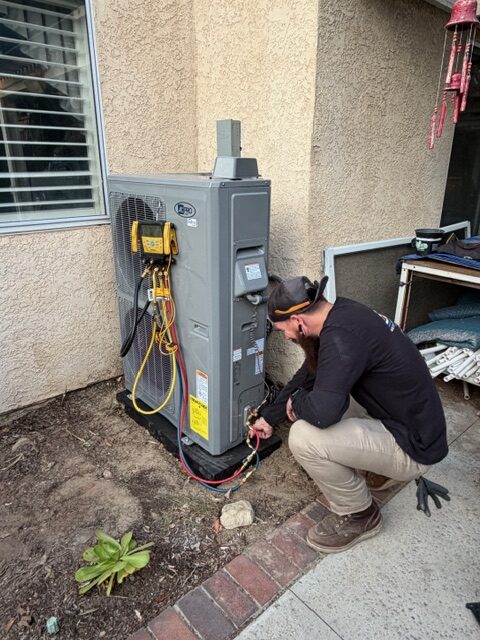
    Because HVAC equipment contains mechanical, electrical, and airflow-related components, regular maintenance is essential. A professional tune-up can identify developing problems, improve system performance, and reduce the likelihood of an unexpected breakdown.

    But how often should you schedule HVAC maintenance? For most homes in Brea, the ideal schedule is twice a year: air conditioning maintenance in the spring and heating maintenance in the fall.

    If your system is due for service, call Accurate Comfort HVAC at 714.325.7042 to schedule professional HVAC maintenance in Brea.

    πŸ“… Schedule HVAC Maintenance Twice a Year

    Most homeowners should arrange professional HVAC maintenance twice a year. Each appointment should focus on the equipment that will be used during the upcoming season.

    A practical schedule is:

    • Spring: Air conditioning inspection and tune-up
    • Fall: Heating system inspection and tune-up

    Scheduling service before peak cooling and heating seasons gives a technician an opportunity to inspect the equipment before it begins operating more frequently.

    Spring AC maintenance can prepare your air conditioner for higher summer temperatures. Fall heating maintenance can help confirm that your furnace or heating system is ready for cooler weather.

    Twice-yearly service also allows potential problems to be discovered before they develop into unexpected failures during periods of heavy use.

    🌷 Why Schedule Air Conditioner Maintenance in the Spring?

    Spring is typically the best time to schedule AC maintenance in Brea. Your air conditioner may have been inactive or used only occasionally during the cooler months. Meanwhile, dirt, leaves, and other debris may have collected around the outdoor condenser.

    A spring tune-up prepares the system before the hottest part of the year. During the appointment, an HVAC technician can check the equipment’s operating condition and identify components that may need attention.

    Professional air conditioning maintenance may include:

    • Inspecting the air filter
    • Checking airflow
    • Examining the indoor evaporator coil
    • Inspecting and cleaning the outdoor condenser coil
    • Testing electrical components
    • Checking the thermostat
    • Examining refrigerant-related operation
    • Inspecting the condensate drain
    • Evaluating the blower assembly
    • Measuring overall cooling performance

    Completing this work before summer may make scheduling more convenient and reduce the risk of discovering a problem on the first extremely hot day.

    πŸ‚ Why Schedule Heating Maintenance in the Fall?

    Fall is a smart time to schedule heating system maintenance. The equipment can be inspected before you depend on it during colder nights and mornings.

    A professional heating tune-up may include:

    • Inspecting the furnace or heating equipment
    • Testing system startup
    • Checking the thermostat
    • Examining electrical connections
    • Inspecting the blower
    • Evaluating airflow
    • Checking safety controls
    • Inspecting accessible gas-related components when applicable
    • Looking for unusual wear or damage
    • Confirming proper system shutdown

    Heating equipment should operate reliably and safely. Professional fall maintenance provides an opportunity to identify unusual odors, ignition problems, airflow restrictions, or worn components before the heating season is fully underway.

    πŸ”„ Does Every HVAC System Need Maintenance Twice a Year?

    Twice-yearly maintenance is a good general recommendation, but the ideal schedule may depend on the type of equipment installed in your home.

    Central Air Conditioner and Furnace

    A split system with a central air conditioner and furnace should usually be serviced twice annually. The air conditioner receives attention in the spring, and the furnace is inspected in the fall.

    Although the systems may share a thermostat, blower, filter, and ductwork, the heating and cooling components have different maintenance requirements.

    Heat Pump

    A heat pump provides both heating and cooling, which means it may operate throughout most of the year. Because of this extended workload, heat pump maintenance twice a year is especially important.

    A spring appointment prepares the system for cooling, while a fall appointment helps prepare it for heating.

    Ductless Mini-Split

    A ductless mini-split may also provide year-round heating and cooling. Professional maintenance once or twice per year may be appropriate depending on how frequently the equipment is used, how many indoor units are installed, and the manufacturer’s recommendations.

    Homeowners may need to clean reusable filters more frequently between professional visits.

    Packaged HVAC System

    A packaged system contains major heating and cooling components within a single outdoor cabinet. Even though the equipment is housed together, it still performs separate seasonal functions. Spring and fall maintenance can help prepare both sides of the system for periods of heavier use.

    ⏰ When Might Your HVAC System Need More Frequent Attention?

    Some homes and HVAC systems require attention more often than the typical twice-yearly professional schedule. Factors that may increase maintenance needs include:

    • Pets that shed
    • Household members with allergies
    • Nearby construction
    • High levels of dust
    • Frequent system use
    • An older HVAC system
    • Recent remodeling work
    • Heavy outdoor debris
    • Indoor smoking
    • A history of recurring HVAC problems

    These conditions do not necessarily mean you need a complete professional tune-up every month. However, you may need to inspect and replace the filter more frequently, clean around the outdoor equipment, and schedule service promptly when performance changes.

    An HVAC technician can recommend a maintenance routine based on your specific equipment and home conditions.

    🧹 How Often Should You Replace the HVAC Filter?

    Professional maintenance is generally scheduled once or twice a year, but HVAC filter replacement should occur more often.

    Many standard filters should be inspected monthly and replaced approximately every one to three months. The correct interval depends on filter type, system use, and indoor conditions.

    You may need to replace the filter more frequently if:

    • You have one or more pets
    • Someone in the household has allergies or asthma
    • Your home becomes dusty quickly
    • The HVAC system runs for long periods
    • Construction or renovation work is underway
    • The filter looks visibly dirty
    • Airflow from the vents has weakened

    Always use a filter that matches the size and performance requirements of your HVAC equipment. A filter that is overly restrictive can reduce airflow, while an incorrectly sized filter may allow dust to bypass it.

    If you are unsure which filter is appropriate, Accurate Comfort HVAC can help during your maintenance appointment.

    πŸ” What Happens During Professional HVAC Maintenance?

    The exact maintenance checklist depends on the system type, age, condition, and manufacturer. In general, an HVAC technician examines system operation, condition, cleanliness, airflow, and electrical performance.

    A professional HVAC tune-up in Brea may involve:

    • Checking thermostat operation
    • Inspecting accessible electrical connections
    • Testing capacitors and other electrical components
    • Inspecting the blower motor and assembly
    • Checking system airflow
    • Examining the air filter
    • Inspecting indoor and outdoor coils
    • Checking the condensate drain and drain pan
    • Listening for abnormal system noises
    • Looking for visible wear, corrosion, or damage
    • Evaluating temperature performance
    • Inspecting accessible duct connections
    • Testing system startup and shutdown
    • Reviewing any concerns with the homeowner

    Maintenance is also an opportunity to ask questions about comfort, utility costs, unusual noises, or rooms that remain too warm or too cold.

    ⚑ Can HVAC Maintenance Improve Energy Efficiency?

    An HVAC system may consume more energy when it has dirty coils, restricted airflow, worn components, or control problems. Regular maintenance can help the equipment operate closer to its intended performance.

    Maintenance may support efficiency by:

    • Improving airflow
    • Removing debris from heat-transfer surfaces
    • Correcting certain electrical or control issues
    • Identifying duct or filter problems
    • Reducing unnecessary system strain
    • Helping the equipment complete normal operating cycles

    Maintenance cannot make an aging system perform like brand-new equipment, and it cannot correct every efficiency problem. However, keeping the system clean and identifying repair needs early may help prevent avoidable energy waste.

    πŸ›‘οΈ Does Regular Maintenance Help Prevent Breakdowns?

    No maintenance program can guarantee that an HVAC component will never fail. Parts can wear out, electrical issues can develop, and unexpected problems can occur.

    However, regular service gives a technician the opportunity to find warning signs such as:

    • Loose electrical connections
    • Weak capacitors
    • Dirty coils
    • Restricted filters
    • Drainage problems
    • Unusual motor operation
    • Corrosion
    • Damaged wiring
    • Abnormal noises
    • Reduced airflow

    Correcting these issues early may prevent some breakdowns or reduce the extent of future repairs. It can also help you plan for aging components instead of being surprised by a complete loss of heating or cooling.

    πŸ“‹ Can Maintenance Help Protect Your HVAC Warranty?

    Many HVAC manufacturers require equipment to be installed, operated, and maintained according to their published instructions. Warranty terms vary, so homeowners should review the documentation that came with their equipment.

    Keeping records of professional service may help demonstrate that the system received routine care. Save invoices, maintenance reports, installation documents, model numbers, and warranty information in a convenient location.

    Professional service does not automatically guarantee warranty coverage, but neglecting required maintenance could affect certain claims. Follow the manufacturer’s recommendations and ask your HVAC provider if you are uncertain about your system’s service requirements.

    🏠 What HVAC Maintenance Can Homeowners Perform?

    Homeowners can complete several simple tasks between professional tune-ups. These steps support regular maintenance but do not replace professional inspection and testing.

    You can:

    • Check the HVAC filter every month
    • Replace a dirty filter
    • Keep supply and return vents unobstructed
    • Remove loose leaves and debris around the outdoor unit
    • Maintain clearance around the condenser
    • Confirm that the thermostat is working
    • Watch for water around the indoor equipment
    • Listen for new or unusual noises
    • Monitor changes in airflow
    • Keep indoor HVAC equipment accessible

    Avoid opening electrical panels, handling refrigerant components, or attempting internal repairs without proper training. HVAC equipment may contain high voltage, moving parts, pressurized refrigerant, and fuel-burning components.

    🚨 Signs You Should Not Wait for Scheduled Maintenance

    A routine tune-up is intended for equipment that is generally operating. If your HVAC system is showing signs of a malfunction, schedule professional diagnosis instead of waiting for the next seasonal appointment.

    Call for service if you notice:

    • Warm air from the AC vents
    • Weak or missing airflow
    • A heating system blowing cold air
    • Unusual grinding, banging, or buzzing
    • Burning or electrical odors
    • Water leaking near the indoor equipment
    • Ice on the evaporator coil or refrigerant line
    • Frequent starting and stopping
    • A repeatedly tripping circuit breaker
    • Unexplained increases in energy consumption
    • Rooms that no longer heat or cool evenly
    • A system that runs continuously

    Turn the equipment off immediately if you see smoke, sparks, significant water near electrical components, or other signs of a potential safety hazard.

    πŸ“† What Is the Best Time to Book HVAC Maintenance?

    The best time to schedule maintenance is before seasonal demand peaks. Consider booking your air conditioning tune-up in early or mid-spring and your heating tune-up in early fall.

    Planning ahead offers several advantages:

    • You can prepare the system before heavy use
    • Appointment availability may be more flexible
    • There is time to address recommended repairs
    • You can reduce the chance of a seasonal startup surprise
    • The equipment can be evaluated before extreme temperatures arrive

    You do not need to wait for a specific calendar date. If your system has not been maintained within the past year, scheduling service now is generally better than postponing it until the next season.

    βœ… Create a Simple HVAC Maintenance Schedule

    Keeping up with HVAC care does not need to be complicated. Use this simple schedule as a starting point:

    Every Month

    • Inspect the air filter
    • Watch for unusual noises or odors
    • Check for visible water leaks
    • Make sure vents remain open and unobstructed

    Every One to Three Months

    • Replace the filter as needed
    • Remove loose debris from around the outdoor unit

    Every Spring

    • Schedule professional air conditioning maintenance
    • Test the cooling system before hot weather
    • Check thermostat cooling settings

    Every Fall

    • Schedule professional heating maintenance
    • Test the heating system before colder weather
    • Check thermostat heating settings

    This routine helps you monitor your system throughout the year while leaving technical inspection and service to a qualified professional.

    πŸ“ž Schedule HVAC Maintenance in Brea Today

    For most homeowners, the answer to how often you should schedule HVAC maintenance is twice a year: cooling service in the spring and heating service in the fall. Systems that operate year-round, including heat pumps, benefit particularly from consistent seasonal care.

    Regular maintenance can help improve system performance, reveal developing problems, support efficient operation, and reduce the possibility of an unexpected breakdown. It also gives you an opportunity to discuss comfort concerns before they become more disruptive.

    Whether you need a spring air conditioning tune-up, fall heating inspection, or help with a system that is no longer performing correctly, experienced service can help keep your home comfortable.

    Call Accurate Comfort HVAC at 714.325.7042 to schedule your next HVAC tune-up in Brea.