Tag: HVAC repair Brea

  • 🔧 How to Choose a Trusted HVAC Contractor in Brea

    By Accurate Comfort HVAC | Brea | 714.325.7042
    How to Choose a Trusted HVAC Contractor in Brea

    Choosing the right heating and cooling professional is one of the most important decisions homeowners can make when maintaining, repairing, or replacing their HVAC equipment. Whether your air conditioner stops working during a summer heatwave, your furnace needs professional attention, or you are considering a complete system upgrade, hiring a trusted HVAC contractor in Brea can make a significant difference in the quality, reliability, and long-term performance of your equipment. At Accurate Comfort HVAC in Brea, homeowners can call 714.325.7042 for professional HVAC repair, air conditioning maintenance, and dependable heating and cooling services. Understanding what to look for in a qualified contractor can help you avoid unnecessary expenses, receive reliable recommendations, and protect your investment in home comfort.

    🏠 Why Choosing the Right HVAC Contractor Matters

    Your home’s heating and cooling system is a major investment that requires specialized knowledge, proper installation techniques, and ongoing maintenance.

    Hiring an inexperienced or unqualified contractor can result in poor system performance, recurring breakdowns, unnecessary energy consumption, and potentially unsafe operating conditions.

    A reputable HVAC contractor should provide accurate diagnostics, explain recommended repairs, and help homeowners make informed decisions about their equipment.

    Working with a qualified professional can provide several important benefits:

    • Reliable heating and cooling performance
    • Proper equipment installation and repairs
    • Improved HVAC energy efficiency
    • Reduced risk of avoidable breakdowns
    • Better long-term equipment reliability
    • Clear communication about service recommendations
    • Professional attention to safety and code requirements

    When comparing HVAC companies in Brea, homeowners should evaluate more than pricing alone.

    Experience, licensing, communication, workmanship, and customer service all contribute to the overall value of professional HVAC services.

    📋 1. Verify HVAC Licensing and Insurance

    One of the first steps in choosing a licensed HVAC contractor in Brea is verifying that the company holds the appropriate California contractor license for the work being performed.

    In California, HVAC contractors commonly operate under the C-20 Warm-Air Heating, Ventilating and Air-Conditioning classification.

    Homeowners can verify contractor licensing information through the California Contractors State License Board (CSLB).

    The CSLB website provides information about license status, classifications, and certain disciplinary records.

    Before hiring an HVAC contractor, consider checking:

    • Active contractor license status
    • Appropriate license classification
    • Workers’ compensation coverage information
    • Contractor bond information
    • Relevant disciplinary history
    • Business identification and contact information

    A contractor should also be able to explain applicable insurance coverage and provide documentation when appropriate.

    Licensing and insurance verification helps homeowners make more informed decisions and reduces the risk of hiring an unqualified service provider.

    Visit the official CSLB website at www.cslb.ca.gov to verify a contractor’s license.

    ⭐ 2. Research Customer Reviews and Local Reputation

    Online reviews can provide useful information about a company’s customer service, professionalism, communication, and quality of workmanship.

    When searching for a reliable HVAC company in Brea, review customer feedback across multiple platforms.

    Popular sources include:

    • Google Business Profiles
    • Yelp
    • Better Business Bureau listings
    • Local community recommendations
    • Referrals from friends and neighbors

    Rather than focusing exclusively on a company’s overall star rating, read individual reviews carefully.

    Look for recurring comments about punctuality, accurate diagnostics, clear pricing, respectful technicians, and satisfactory repair results.

    🔍 What Should You Look for in HVAC Reviews?

    Positive reviews may highlight:

    • Technicians arriving within scheduled service windows
    • Clear explanations of HVAC problems
    • Professional and courteous communication
    • Transparent estimates
    • Effective heating and cooling repairs
    • Clean and respectful service practices
    • Responsive customer support

    It is also helpful to review how companies respond to complaints.

    A professional response to a negative review may demonstrate a willingness to address customer concerns.

    Remember that online reviews represent individual experiences and should be considered alongside licensing, qualifications, and other objective information.

    🔧 3. Choose a Contractor With Relevant HVAC Experience

    Heating and cooling systems vary considerably in design, technology, efficiency, and maintenance requirements.

    A contractor experienced with one type of equipment may not necessarily specialize in every system.

    Before scheduling service, ask whether the company has experience with your specific heating and cooling equipment.

    Common residential HVAC systems include:

    • Central air conditioning systems
    • Gas furnaces
    • Electric heating systems
    • Heat pumps
    • Ductless mini-split systems
    • Packaged heating and cooling units
    • Multistage and variable-speed equipment

    An experienced residential HVAC contractor should understand how to evaluate equipment performance and diagnose common system problems.

    Professional knowledge is especially important when dealing with refrigerant-related issues, electrical malfunctions, airflow restrictions, and equipment replacement decisions.

    🛠️ Ask About Technician Qualifications

    Homeowners may also ask about technician training and relevant certifications.

    For example, EPA Section 608 certification is required for technicians performing certain activities involving regulated refrigerants.

    Additional industry training and certifications may demonstrate specialized knowledge.

    However, certifications should complement—not replace—appropriate contractor licensing and practical experience.

    💰 4. Request Clear, Written HVAC Estimates

    Pricing transparency is another important factor when selecting a professional HVAC contractor.

    Before approving significant repairs or equipment replacement, request a written estimate that clearly describes the proposed work.

    A detailed estimate may include:

    • Description of the diagnosed problem
    • Recommended repairs or replacement equipment
    • Labor charges
    • Equipment and material costs
    • Applicable permits
    • Warranty information
    • Estimated project timeline
    • Payment terms
    • Potential additional charges

    Homeowners should understand what is included before authorizing work.

    ⚠️ Be Cautious of Extremely Low Estimates

    The lowest estimate is not always the best value.

    An unusually inexpensive quote may omit important installation requirements, necessary materials, or other services.

    Likewise, a higher price does not automatically guarantee better workmanship.

    When comparing HVAC repair estimates, focus on the complete scope of work, equipment specifications, warranties, and contractor qualifications.

    For major installations, obtaining multiple written estimates can help homeowners evaluate their options.

    ❄️ 5. Look for Comprehensive Heating and Cooling Services

    Choosing an HVAC contractor that offers a broad range of services can make future maintenance and repairs more convenient.

    A full-service heating and cooling contractor in Brea may provide:

    • Air conditioning diagnostics and repairs
    • Furnace inspections and repairs
    • Seasonal HVAC tune-ups
    • Preventive maintenance
    • Heating and cooling system replacement
    • Thermostat installation
    • Airflow troubleshooting
    • Indoor air quality recommendations
    • Ductwork evaluations
    • Energy efficiency improvements

    Working with a contractor familiar with your equipment’s service history can also help maintain continuity over time.

    For example, technicians who understand previous repairs and recurring performance concerns may be better positioned to evaluate developing problems.

    Ask about the services available and whether the contractor works on your equipment brand and system type.

    🌡️ 6. Ask About Preventive HVAC Maintenance

    A trustworthy contractor should recognize the importance of maintaining equipment rather than focusing exclusively on repairs and replacements.

    Routine preventive HVAC maintenance can help identify developing problems, support efficient operation, and reduce the likelihood of certain unexpected failures.

    Professional maintenance may include:

    • Inspecting electrical connections
    • Evaluating system airflow
    • Checking thermostat operation
    • Inspecting accessible heating components
    • Examining air conditioning coils
    • Checking condensate drainage
    • Evaluating blower performance
    • Inspecting air filters
    • Reviewing general system operation

    Maintenance requirements vary depending on equipment type, manufacturer instructions, and system condition.

    📅 How Often Should HVAC Maintenance Be Scheduled?

    Many residential systems benefit from professional inspections approximately twice per year.

    A common schedule includes:

    Spring: Schedule air conditioning maintenance before heavy summer cooling demand.

    Fall: Schedule heating system maintenance before cooler weather arrives.

    Regular maintenance can also help homeowners identify potential equipment problems before peak heating and cooling seasons.

    When comparing contractors, ask whether they offer maintenance plans and what those plans include.

    ⚡ 7. Choose a Contractor Who Understands Energy Efficiency

    Heating and cooling equipment can account for a substantial portion of household energy consumption.

    A knowledgeable energy-efficient HVAC contractor should be able to explain practical ways to improve equipment performance without recommending unnecessary upgrades.

    Potential improvements include:

    • Proper thermostat programming
    • Correctly sized heating and cooling equipment
    • Appropriate air filter selection
    • Duct leakage evaluation
    • Airflow adjustments
    • Professional system maintenance
    • High-efficiency equipment recommendations
    • Compatible smart thermostat installation

    A contractor should evaluate your home’s needs before recommending expensive improvements.

    For example, replacing an older air conditioner with a more efficient model may reduce energy consumption, but actual savings depend on installation quality, equipment sizing, home conditions, and usage patterns.

    Professional recommendations should reflect these factors rather than rely on exaggerated savings claims.

    🏡 8. Make Sure HVAC Equipment Is Properly Sized

    When replacing a heating or cooling system, proper equipment sizing is essential.

    An oversized air conditioner may cycle frequently, while an undersized system may struggle to maintain comfortable indoor temperatures during demanding weather conditions.

    Both situations can contribute to reduced comfort and inefficient operation.

    A qualified HVAC installation contractor should evaluate relevant factors such as:

    • Home square footage
    • Insulation levels
    • Window characteristics
    • Air leakage
    • Ceiling heights
    • Local climate conditions
    • Ductwork capacity
    • Heating and cooling loads

    For many residential installations, an appropriate load calculation based on recognized methods, such as ACCA Manual J, helps determine equipment capacity.

    Homeowners should be cautious when contractors recommend replacement equipment solely based on the size of the existing unit.

    Correct sizing is an important part of professional HVAC installation.

    📞 9. Evaluate Communication and Customer Service

    A contractor’s communication practices can reveal a great deal about how the company operates.

    From the first phone call through project completion, homeowners should feel comfortable asking questions and discussing service recommendations.

    A dependable local HVAC contractor should communicate clearly about:

    • Appointment availability
    • Expected arrival windows
    • Diagnostic findings
    • Repair options
    • Equipment recommendations
    • Service pricing
    • Project timelines
    • Warranty coverage
    • Follow-up procedures

    Technicians should explain problems in understandable language without pressuring homeowners into immediate decisions when there is no genuine emergency.

    Professional customer service also includes respecting the property, maintaining a clean work area, and explaining completed repairs.

    A company that values communication can make the entire service experience easier and more transparent.

    🛡️ 10. Understand HVAC Warranties and Service Guarantees

    Before authorizing major HVAC repairs or installation, ask about applicable warranties.

    HVAC warranties may include separate coverage for equipment components and installation labor.

    Manufacturer Warranties

    Equipment manufacturers may provide limited warranties covering qualifying defects in certain components.

    Coverage periods, exclusions, registration requirements, and transferability vary by manufacturer.

    Workmanship Warranties

    Some contractors offer workmanship warranties covering specified installation or repair labor.

    These terms may differ considerably between companies.

    Homeowners should request written warranty details and understand:

    • What components or labor are covered
    • How long coverage lasts
    • Whether registration is required
    • What conditions may void coverage
    • Whether maintenance requirements apply
    • How warranty service is requested

    A trusted HVAC service provider should be willing to explain applicable warranty terms before work begins.

    🚨 Warning Signs of an Unreliable HVAC Contractor

    Knowing what to avoid is just as important as understanding what makes a contractor trustworthy.

    Homeowners should be cautious when encountering the following warning signs:

    • Refusal to provide appropriate licensing information
    • Unwillingness to explain recommended repairs
    • Pressure to approve expensive work immediately
    • Vague or incomplete written estimates
    • Claims that every older HVAC system must be replaced
    • Requests for unusually large upfront payments without clear contractual terms
    • Unclear warranty coverage
    • Reluctance to discuss permits when required
    • Recommendations made without adequate system evaluation

    Not every problem indicates intentional misconduct, but multiple warning signs should encourage further investigation.

    A dependable HVAC repair company in Brea should help homeowners understand their options and make informed decisions.

    ☀️ Why Hiring a Local HVAC Contractor in Brea Can Be Beneficial

    Local knowledge can be valuable when maintaining residential heating and cooling equipment.

    Brea and nearby Orange County communities experience warm summer temperatures that can place considerable demand on air conditioning systems.

    A contractor familiar with regional conditions may better understand common comfort challenges associated with:

    • Extended summer cooling demand
    • Seasonal temperature changes
    • Dust accumulation
    • Older residential duct systems
    • Local building requirements
    • Home energy efficiency concerns

    Choosing a local HVAC company in Brea may also provide convenient scheduling and access to ongoing service.

    Homeowners in Fullerton, Placentia, Yorba Linda, and surrounding communities can benefit from working with contractors who understand the area’s residential heating and cooling needs.

    However, geographic proximity should always be considered alongside qualifications, licensing, and service quality.

    ❓ Important Questions to Ask Before Hiring an HVAC Contractor

    Before making your final decision, prepare a few questions to evaluate potential service providers.

    Consider asking:

    1. Are you properly licensed for HVAC work in California?
    2. Do you carry appropriate insurance coverage?
    3. Have your technicians worked on my type of HVAC system?
    4. Will you provide a written estimate before beginning repairs?
    5. What warranties apply to the proposed work?
    6. Are permits required for this installation?
    7. Do you perform heating and cooling load calculations when replacing equipment?
    8. Do you offer preventive maintenance services?
    9. Can you explain the advantages of repair versus replacement?
    10. What should I expect during the service appointment?

    These questions can help you compare HVAC contractors near Brea and identify professionals who prioritize clear communication and quality service.

    🔍 Repair or Replace? A Trustworthy Contractor Should Explain Both Options

    One of the most important qualities of a reputable HVAC professional is the ability to explain whether equipment should be repaired or replaced.

    Not every malfunction requires a complete system replacement.

    In some situations, replacing a faulty capacitor, contactor, sensor, or other component may restore normal operation.

    In other cases, equipment age, repeated failures, repair costs, and overall system condition may make replacement more practical.

    A thorough HVAC system inspection should consider:

    • Age and condition of the equipment
    • Nature of the current malfunction
    • Cost of necessary repairs
    • History of previous breakdowns
    • Energy efficiency
    • Availability of replacement components
    • Expected remaining equipment life
    • Homeowner budget and comfort goals

    A contractor should present reasonable options and explain the tradeoffs.

    This approach allows homeowners to choose solutions based on their individual circumstances rather than unnecessary pressure.

    📍 Finding Dependable HVAC Services in Brea and Orange County

    Whether you need routine maintenance, emergency troubleshooting, or assistance planning an equipment upgrade, selecting the right contractor begins with careful research.

    Homeowners should prioritize proper licensing, relevant experience, transparent pricing, and professional communication.

    Reading customer reviews, checking qualifications, and requesting written estimates can help narrow the options.

    It is also beneficial to choose a company that emphasizes long-term HVAC reliability through preventive maintenance and appropriate repair recommendations.

    By taking time to evaluate potential contractors, homeowners can make more confident decisions about their heating and cooling investments.

    📞 Choose Professional HVAC Service for Your Brea Home

    Finding a trusted HVAC contractor in Brea does not have to be complicated. By verifying licensing, reviewing customer feedback, evaluating experience, comparing written estimates, and asking about maintenance and warranties, homeowners can identify qualified professionals who meet their needs. Whether your air conditioner requires repairs, your heating system needs maintenance, or you are planning an energy-efficient equipment upgrade, Accurate Comfort HVAC in Brea is available to discuss your heating and cooling needs. Call 714.325.7042 today to schedule professional HVAC service and take the next step toward dependable year-round home comfort.

  • 🛠️ The Most Common HVAC Problems—and How to Prevent Them

    By Accurate Comfort HVAC | Brea | 714.325.7042

    The Most Common HVAC Problems—and How to Prevent Them

    Your heating and cooling system works throughout the year to maintain a comfortable indoor environment. At Accurate Comfort HVAC, we know that many disruptive HVAC problems begin with small warning signs, such as a dirty filter, unusual noise, weak airflow, or clogged drain. Recognizing these concerns early and following a consistent maintenance routine may help prevent avoidable breakdowns and equipment damage.

    Although no maintenance plan can eliminate every possibility of a malfunction, practical preventive care can improve system reliability, support efficient operation, and reveal developing problems before they become more serious.

    Here are some of the most common HVAC problems homeowners experience and the steps that may help prevent them.

    🧹 1. Dirty or Clogged Air Filters

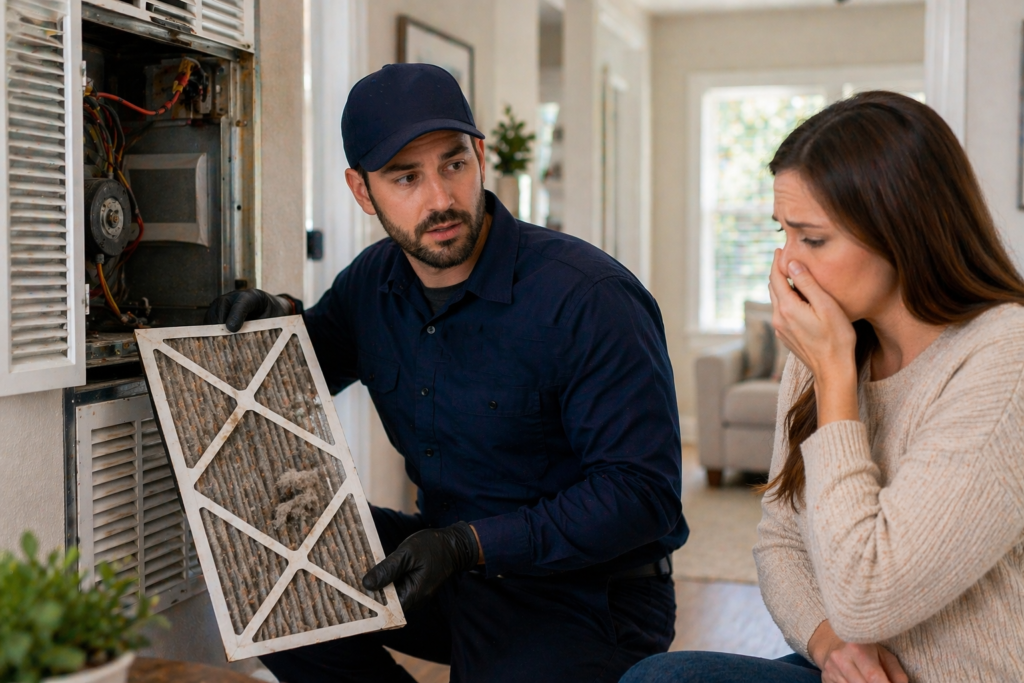
    A dirty air filter is one of the most common causes of HVAC performance problems. Filters capture dust, pet hair, pollen, and other airborne particles before they enter the equipment.

    As debris accumulates, airflow may become restricted. This can lead to:

    • Weak airflow from vents
    • Uneven indoor temperatures
    • Longer heating or cooling cycles
    • Increased energy consumption
    • Excessive blower strain
    • Frozen evaporator coils
    • Reduced comfort

    How to Help Prevent It

    Inspect the filter monthly and replace it when it appears dirty. Many filters require replacement approximately every one to three months, although homes with pets, allergies, construction dust, or frequent HVAC use may need more regular changes.

    Use the correct filter size and follow the airflow arrow printed on its frame. An overly restrictive filter can also reduce airflow if the system is not designed for it.

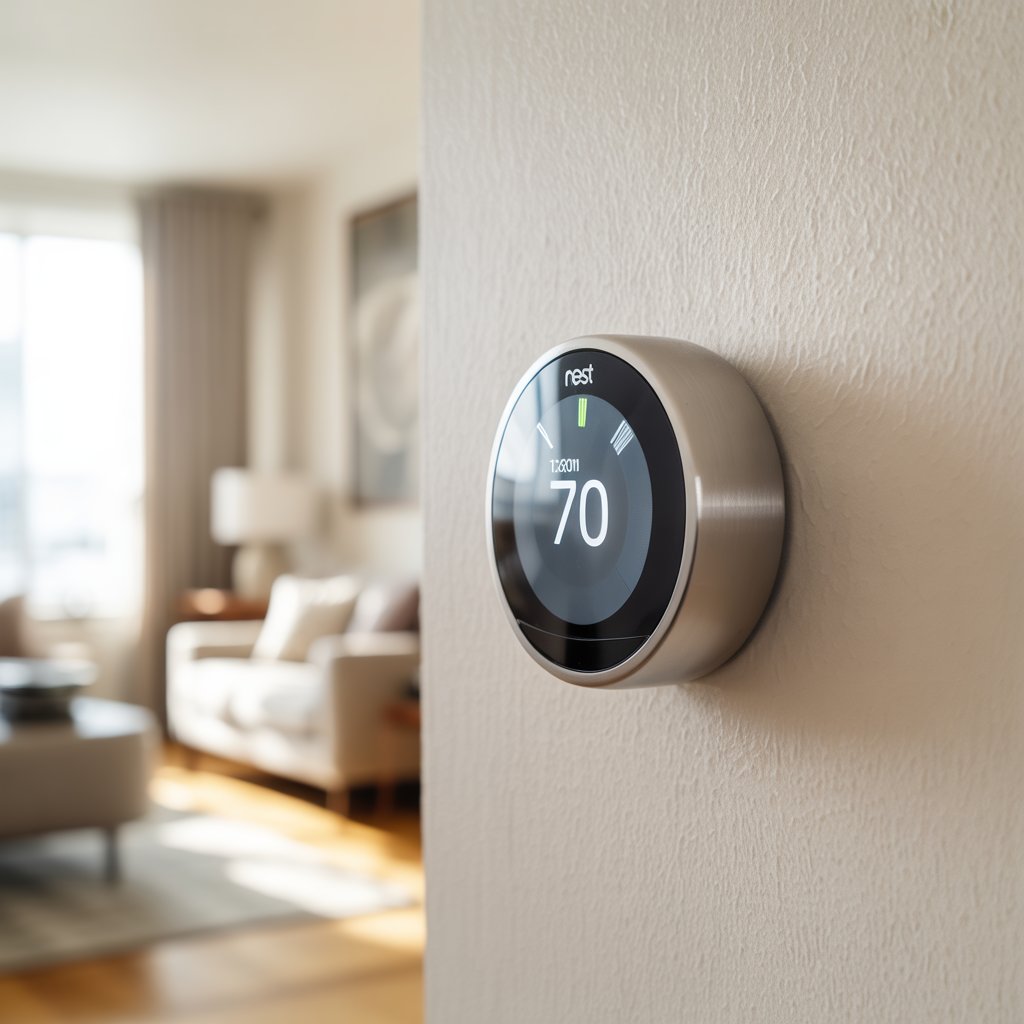
    🌡️ 2. Thermostat Problems

    The thermostat controls when your heating and cooling equipment starts and stops. Incorrect settings, weak batteries, poor placement, damaged wiring, or an internal malfunction can cause comfort and cycling problems.

    Common thermostat symptoms include:

    • The HVAC system will not start
    • Indoor temperatures do not match the display
    • The equipment runs continuously
    • The system turns on and off frequently
    • Heating or cooling begins at the wrong time
    • Different rooms feel uncomfortable

    How to Help Prevent It

    Check the thermostat settings at the beginning of each season. Replace batteries when needed and keep the thermostat clean and unobstructed.

    Avoid placing heat-producing lamps or electronics near the thermostat. If it receives direct sunlight or sits near a supply vent, exterior door, kitchen, or another unrepresentative location, ask whether relocation or remote sensors would improve temperature control.

    💨 3. Restricted or Unbalanced Airflow

    Poor airflow can make certain rooms uncomfortable and force the HVAC system to operate longer. The problem may involve more than the filter.

    Possible causes include:

    • Blocked supply vents
    • Obstructed return grilles
    • Closed dampers
    • Dirty indoor coils
    • A damaged blower wheel
    • A failing blower motor
    • Crushed flexible ducts
    • Improper duct sizing

    How to Help Prevent It

    Keep supply and return vents open and unobstructed. Move furniture, curtains, rugs, and storage boxes away from registers.

    Do not close multiple vents in unused rooms unless the HVAC system was specifically designed for that type of zoning. Excessive vent closure can increase duct pressure and reduce system airflow.

    Have persistent airflow problems professionally measured rather than attempting to balance the system by guesswork.

    🧊 4. Frozen Evaporator Coils

    The evaporator coil absorbs heat from indoor air during the cooling process. When airflow is restricted or refrigerant conditions are incorrect, moisture on the coil may freeze.

    Signs of a frozen evaporator coil include:

    • Ice on the refrigerant line
    • Weak airflow
    • Warm air from the vents
    • Water around the indoor unit
    • Long cooling cycles
    • Reduced cooling performance

    How to Help Prevent It

    Replace dirty filters, keep vents open, and schedule routine AC maintenance. These steps can reduce the likelihood of airflow-related freezing.

    If you see ice, turn off the cooling function and allow the system to thaw. Do not scrape the coil or apply direct heat. Because freezing is usually a symptom of another problem, arrange professional diagnosis before returning the system to regular operation.

    🧪 5. Refrigerant Leaks

    Refrigerant transfers heat through the air-conditioning system. An air conditioner does not normally consume refrigerant during regular operation. If the level is low, a leak may be present.

    Possible signs include:

    • Warm air from vents
    • Ice on refrigerant lines
    • Hissing or bubbling noises
    • Longer cooling cycles
    • Rising electricity consumption
    • Difficulty reaching the thermostat setting

    How to Help Prevent It

    Refrigerant leaks cannot always be prevented through homeowner maintenance. However, routine inspections may reveal declining performance, corrosion, or abnormal system operation before a complete loss of cooling occurs.

    Do not attempt to handle refrigerant yourself. A qualified technician should locate the source of the leak, evaluate the affected component, and recommend an appropriate solution.

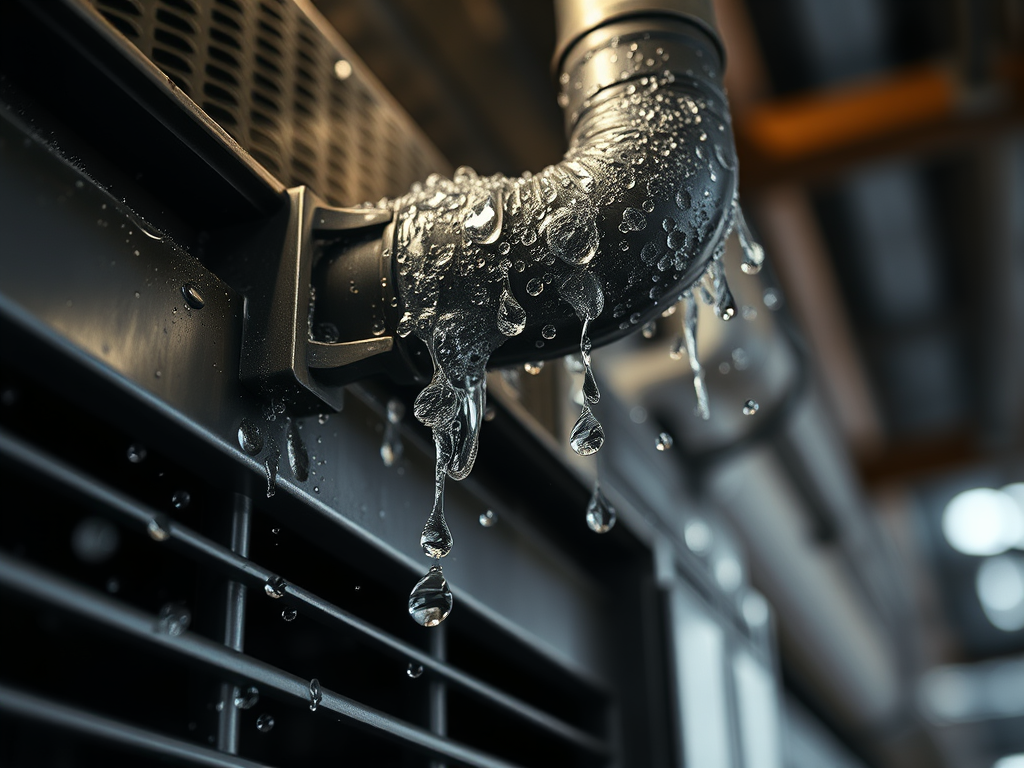
    💧 6. Clogged Condensate Drains

    Your air conditioner and certain heating systems remove moisture from indoor air. That moisture normally collects in a drain pan and exits through a condensate line.

    Dirt, biological buildup, or debris may block the line and cause water to back up.

    Warning signs include:

    • Water near the indoor HVAC equipment
    • A full drain pan
    • Musty odors
    • System shutdowns
    • Ceiling or wall stains
    • Gurgling sounds near the drain

    How to Help Prevent It

    Include drain inspection and cleaning in seasonal maintenance. Keep the area around the indoor equipment clean and watch for standing water.

    If water begins leaking, turn off the system when necessary to protect nearby property and electrical components. Prompt service may prevent damage to floors, ceilings, walls, and belongings.

    ⚡ 7. Failed Capacitors

    Capacitors help certain HVAC motors start and operate. Heat, age, electrical stress, and normal wear can cause them to weaken or fail.

    Symptoms of a possible capacitor problem include:

    • Clicking or humming
    • Delayed system startup
    • An outdoor fan that does not turn
    • A motor struggling to start
    • Frequent cycling
    • Intermittent heating or cooling

    How to Help Prevent It

    Homeowners should not attempt to test or replace capacitors. These components can retain a dangerous electrical charge even after power has been disconnected.

    Professional maintenance may identify abnormal capacitor readings or startup behavior. Early replacement of a confirmed weak component may help prevent related motor or compressor stress.

    🔌 8. Loose or Damaged Electrical Connections

    HVAC systems experience vibration, heat, and repeated operating cycles. Over time, electrical connections may loosen, corrode, or become damaged.

    Electrical problems may cause:

    • Intermittent operation
    • Repeated breaker trips
    • Buzzing
    • Burning odors
    • Failed system startup
    • Unexpected shutdowns
    • Damage to controls or motors

    How to Help Prevent It

    Schedule professional electrical inspection as part of routine HVAC maintenance. Never remove service panels or handle internal wiring without proper training.

    Turn the system off if you smell burning materials, see sparks, or hear loud electrical buzzing. If a breaker trips again after one reset, leave it off and schedule service.

    🌿 9. Dirty Condenser Coils

    The outdoor condenser releases heat removed from your home. Dirt, grass clippings, leaves, and vegetation can interfere with airflow and heat transfer.

    A dirty or obstructed condenser may contribute to:

    • Reduced cooling
    • Longer operating cycles
    • Higher energy consumption
    • Overheating
    • Abnormal system pressures
    • Compressor strain

    How to Help Prevent It

    Remove loose debris around the outdoor unit and maintain adequate clearance around the cabinet. Trim nearby vegetation and avoid storing objects against the condenser.

    Do not cover the equipment while it is operating. Avoid aggressive cleaning techniques because the coil fins are delicate. Professional coil cleaning may be appropriate when buildup is extensive.

    🔊 10. Worn Blower or Fan Components

    Blower and fan assemblies move air through the indoor equipment and across the outdoor coil. Bearings, motors, wheels, blades, and mounting hardware can wear or loosen over time.

    Warning signs include:

    • Grinding
    • Screeching
    • Rattling
    • Weak airflow
    • Strong vibration
    • A fan that starts slowly
    • A fan that does not operate

    How to Help Prevent It

    Report new noises promptly and schedule seasonal maintenance. A technician can inspect accessible motors, blades, mounting points, and electrical components.

    Turn the system off if a fan appears to be striking another component or if the equipment produces loud grinding or metallic banging.

    🔄 11. Frequent Starting and Stopping

    When an HVAC system turns on and off every few minutes, it may be short cycling. This prevents normal heating or cooling cycles and increases startup wear.

    Possible causes include:

    • A dirty filter
    • Thermostat problems
    • Frozen coils
    • Electrical issues
    • Low refrigerant
    • An oversized HVAC system
    • An overheating component
    • A blocked condensate drain

    How to Help Prevent It

    Maintain clean filters, use reasonable thermostat settings, and schedule professional service when frequent cycling begins.

    If the equipment has short cycled since installation, incorrect sizing or poor thermostat placement may be involved. A proper diagnosis should identify the cause instead of treating the cycling itself as the repair.

    🔗 12. Leaking or Damaged Ductwork

    Duct leaks allow conditioned air to escape into attics, crawlspaces, garages, or wall cavities. Damaged ducts can also draw dust or unconditioned air into the system.

    Signs of duct problems include:

    • Uneven temperatures
    • Weak airflow in certain rooms
    • Excessive dust
    • Whistling or rattling
    • Long HVAC cycles
    • Higher energy use
    • Visible gaps in accessible ductwork

    How to Help Prevent It

    Have accessible duct connections inspected during maintenance and request professional duct testing if your home has persistent airflow or comfort problems.

    Proper sealing and insulation can reduce energy loss. Ordinary cloth-backed household tape is not a suitable permanent repair for HVAC ducts.

    📏 13. Incorrect Equipment Sizing

    An oversized system may heat or cool the area near the thermostat too quickly and shut down before the rest of the home becomes comfortable. An undersized system may run continuously and struggle during extreme temperatures.

    Sizing problems may cause:

    • Short cycling
    • Long operating cycles
    • Uneven temperatures
    • Poor humidity control
    • High energy consumption
    • Premature component wear

    How to Help Prevent It

    Before replacing HVAC equipment, request a professional load calculation. Proper sizing should consider square footage, insulation, windows, ceiling height, air leakage, sun exposure, occupancy, and other factors.

    Do not assume the existing equipment has the correct capacity. Replacing it with an identically sized system may repeat a previous sizing mistake.

    🔥 14. Ignition or Heating-System Problems

    Furnaces and other heating systems may develop issues involving ignition, controls, sensors, fuel delivery, airflow, or safety devices.

    Possible symptoms include:

    • The furnace will not start
    • The system starts and quickly stops
    • Air from the vents is not warm
    • Unusual odors
    • Repeated clicking
    • Delayed ignition
    • A heating-related error code

    How to Help Prevent It

    Schedule heating maintenance before cooler weather. A technician can inspect system startup, safety controls, airflow, electrical connections, and accessible fuel-related components when applicable.

    Do not attempt to adjust or disassemble fuel-burning equipment. If you smell gas, leave the area, avoid operating electrical switches, and follow the emergency instructions provided by your gas utility or local authorities.

    🏚️ 15. Poor Insulation and Air Leakage

    Not every comfort problem originates within the HVAC equipment. Insufficient insulation and gaps around doors, windows, attic hatches, or utility penetrations can allow conditioned air to escape.

    The HVAC system may then run for extended periods while certain rooms remain uncomfortable.

    How to Help Prevent It

    Check weatherstripping and seal appropriate gaps. Close window coverings before direct sunlight enters during warm weather.

    If upstairs rooms or spaces beneath an attic remain difficult to condition, consider a professional insulation and air-leakage assessment. Reducing the heating and cooling load can support HVAC performance and improve comfort.

    📅 How Often Should You Schedule HVAC Maintenance?

    For many homes, a practical schedule is twice a year:

    • Cooling maintenance in the spring
    • Heating maintenance in the fall

    Heat pumps also benefit from twice-yearly attention because they may provide both heating and cooling.

    During a professional tune-up, a technician may inspect:

    • Thermostat operation
    • Filters and airflow
    • Indoor and outdoor coils
    • Electrical components
    • Blower and fan assemblies
    • Condensate drainage
    • System startup and shutdown
    • Temperature performance
    • Visible wear, corrosion, or damage

    Maintenance cannot prevent every failure, but it can identify conditions that may otherwise lead to a breakdown.

    ✅ A Simple Home HVAC Prevention Checklist

    Homeowners can support system reliability with a straightforward routine.

    Every Month

    • Inspect the air filter
    • Check for water near indoor equipment
    • Listen for new noises
    • Make sure vents remain open
    • Monitor changes in comfort

    Every One to Three Months

    • Replace the filter as needed
    • Remove loose debris from around the outdoor unit
    • Check thermostat programming

    Every Spring

    • Schedule air-conditioning maintenance
    • Test cooling before hot weather
    • Check the condensate drainage area

    Every Fall

    • Schedule heating maintenance
    • Test heating before cooler weather
    • Confirm thermostat operation

    🚨 When to Call for HVAC Repair

    Do not wait for the next routine tune-up if the system is already malfunctioning. Request professional service if you notice:

    • Warm air during cooling
    • Cold air during heating
    • Weak or missing airflow
    • Loud grinding or banging
    • Burning or electrical odors
    • Water leaks
    • Ice on the refrigerant line
    • Frequent cycling
    • Repeated breaker trips
    • A system that will not start
    • Continuous operation without adequate comfort

    Turn the equipment off if you see smoke, sparks, or water near electrical components.

    📞 Prevent HVAC Problems in Your Brea Home

    Many common HVAC problems begin with restricted airflow, dirty components, drainage blockages, electrical wear, or unresolved performance changes. Clean filters, open vents, seasonal maintenance, and prompt repairs can help protect your equipment and indoor comfort.

    For professional HVAC maintenance or repair in Brea, call Accurate Comfort HVAC 714.325.7042 to schedule service before a developing problem becomes a disruptive breakdown.


  • 🛠️ What Is an HVAC Tune-Up, and Is It Worth the Cost?

    By Accurate Comfort HVAC | Brea | 714.325.7042

    What Is an HVAC Tune-Up, and Is It Worth the Cost?

    Your heating and cooling equipment contains electrical connections, motors, coils, controls, drainage components, and other parts that must work together. As the system operates, normal wear, dust, debris, and minor performance changes can affect reliability and efficiency.

    An HVAC tune-up is a preventive service appointment intended to inspect the system, evaluate its operation, and identify conditions that may require attention. Depending on the equipment and season, the visit may focus on your air conditioner, furnace, heat pump, or another part of the comfort system.

    But is an HVAC tune-up worth the cost? For many homeowners, routine service is a practical investment because it may reveal developing problems, support efficient operation, and reduce the chance of an unexpected breakdown. However, the exact value depends on the quality of the inspection, the condition of your equipment, and how frequently the system is used.

    🔍 What Is an HVAC Tune-Up?

    An HVAC tune-up is a scheduled inspection and maintenance service performed while the equipment is generally operational. It is different from a repair appointment, which focuses on diagnosing and correcting a known malfunction.

    During a tune-up, a technician examines important components and checks how the system starts, runs, and shuts down. The technician may also perform appropriate cleaning and adjustments within the scope of the service.

    The exact checklist varies based on:

    • Equipment type
    • System age
    • Manufacturer recommendations
    • Heating or cooling season
    • Equipment accessibility
    • System condition
    • The service plan or tune-up package

    A central air conditioner, furnace, heat pump, and ductless mini-split do not all have identical maintenance requirements. Ask what is included before scheduling so you understand the scope of the appointment.

    ❄️ What Is Included in an Air-Conditioning Tune-Up?

    An AC tune-up prepares your cooling system for periods of heavier use. The technician evaluates how effectively the equipment removes heat and moves conditioned air through the home.

    Depending on the system and service package, an air-conditioning tune-up may include:

    • Inspecting or replacing the air filter
    • Checking thermostat operation
    • Inspecting accessible electrical connections
    • Testing capacitors and contactors
    • Examining the blower assembly
    • Checking system airflow
    • Inspecting the evaporator coil
    • Inspecting and cleaning the condenser coil as appropriate
    • Checking the condensate drain and drain pan
    • Evaluating refrigerant-related operation
    • Inspecting the outdoor fan
    • Measuring temperature performance
    • Testing system startup and shutdown
    • Listening for unusual sounds
    • Looking for visible wear or corrosion

    If the technician finds a component that needs repair, the cost of that work may be separate from the tune-up. A reputable provider should explain the problem and obtain authorization before completing additional repairs.

    🔥 What Is Included in a Heating Tune-Up?

    A heating tune-up focuses on preparing the furnace, heat pump, or other heating equipment for cooler weather. Because heating systems vary, the inspection should reflect the type of equipment installed.

    A furnace tune-up may include:

    • Testing the thermostat
    • Inspecting the filter
    • Examining the blower
    • Checking airflow
    • Inspecting accessible electrical connections
    • Testing system startup
    • Checking safety controls
    • Inspecting accessible fuel-related components when applicable
    • Looking for signs of overheating or corrosion
    • Listening for abnormal operating sounds
    • Testing system shutdown
    • Reviewing the condition of the equipment

    Fuel-burning systems require particular attention to proper operation and safety controls. Homeowners should not attempt to disassemble or adjust these components without appropriate training.

    🔄 How Is a Heat Pump Tune-Up Different?

    A heat pump provides both heating and cooling, so it may operate during much of the year. It contains components similar to an air conditioner but can reverse the refrigerant cycle to provide heat.

    A heat pump tune-up may involve:

    • Testing operation in the appropriate mode
    • Checking the thermostat
    • Inspecting indoor and outdoor coils
    • Evaluating airflow
    • Inspecting electrical components
    • Checking the reversing valve’s operation
    • Examining the defrost system when applicable
    • Checking the condensate drain
    • Inspecting the outdoor fan
    • Evaluating system startup and shutdown

    Because heat pumps often operate during both summer and winter, twice-yearly professional maintenance is especially practical.

    📅 How Often Should You Schedule a Tune-Up?

    For most homes, professional HVAC maintenance should be scheduled twice a year:

    • Spring: Air-conditioning or cooling maintenance
    • Fall: Furnace or heating maintenance

    This schedule allows each part of the system to be inspected before its busiest operating season.

    A heat pump also benefits from spring and fall maintenance because it provides year-round comfort. Ductless systems may need professional service once or twice a year depending on usage, the number of indoor units, and manufacturer instructions.

    More frequent filter inspections or cleaning may be appropriate in homes with:

    • Pets
    • Allergy concerns
    • Heavy dust
    • Indoor smoking
    • Nearby construction
    • Recent remodeling
    • Frequent HVAC operation

    Professional tune-ups are seasonal, but basic homeowner maintenance should continue throughout the year.

    💵 How Much Does an HVAC Tune-Up Cost?

    The cost of an HVAC tune-up varies. Pricing may depend on the system type, location, equipment accessibility, service scope, and whether the appointment is part of a maintenance plan.

    Before booking, ask:

    • What equipment does the price cover?
    • Is the air filter included?
    • Is coil cleaning included or priced separately?
    • Are diagnostic tests included?
    • Does the price cover both heating and cooling systems?
    • Will you receive an inspection report?
    • Are repairs or replacement parts additional?
    • Does the company offer a maintenance agreement?

    A very low advertised price may cover only a limited inspection. Compare the scope of service rather than choosing solely by price.

    The most valuable tune-up is one that provides a careful evaluation and clear information about the equipment’s condition.

    ✅ Is an HVAC Tune-Up Worth the Cost?

    For many homeowners, an HVAC tune-up is worth the cost because it can identify developing problems before the system stops working.

    Potential benefits include:

    • Improved system reliability
    • Better airflow
    • More consistent comfort
    • Reduced risk of avoidable breakdowns
    • Identification of worn components
    • Cleaner heat-transfer surfaces
    • More efficient operation
    • Longer equipment life
    • Better maintenance records
    • Greater confidence before peak seasons

    A tune-up cannot guarantee that a component will never fail. It also cannot restore severely deteriorated equipment to new condition. Its value comes from preventive care, early detection, and verifying that the system is operating properly.

    ⚡ Can a Tune-Up Lower Energy Bills?

    An HVAC tune-up may help reduce avoidable energy waste when the system has restricted airflow, dirty coils, control problems, or components that are not operating correctly.

    Maintenance can support efficient operation by:

    • Improving airflow
    • Keeping coils clean
    • Confirming thermostat operation
    • Identifying abnormal cycling
    • Correcting certain minor operating issues
    • Finding duct or filter concerns
    • Reducing unnecessary system strain

    The amount of potential savings varies. Equipment age, system condition, thermostat settings, insulation, ductwork, weather, and household routines all affect energy consumption.

    Be cautious of anyone promising a specific percentage of savings without evaluating your system and home.

    🚨 Can Maintenance Prevent HVAC Breakdowns?

    No maintenance service can prevent every possible breakdown. Electrical parts can fail unexpectedly, motors can wear out, and concealed defects may not produce obvious symptoms.

    However, a tune-up may reveal warning signs such as:

    • Weak capacitors
    • Loose electrical connections
    • Dirty coils
    • Restricted filters
    • Drainage problems
    • Unusual motor noise
    • Corrosion
    • Damaged wiring
    • Abnormal temperature performance
    • Excessive system cycling

    Finding these conditions early gives you an opportunity to address them before the equipment fails during extreme weather.

    Preventive service can also help you budget for future repairs instead of being surprised by a complete loss of heating or cooling.

    ⏳ Can Regular Tune-Ups Extend Equipment Life?

    Routine maintenance may help reduce unnecessary wear and support a longer service life. A system that operates with clean coils, proper airflow, and functioning electrical components generally experiences less stress than neglected equipment.

    However, equipment life is also influenced by:

    • Installation quality
    • System sizing
    • Usage patterns
    • Climate
    • Manufacturing quality
    • Repair history
    • Duct conditions
    • Thermostat habits

    Maintenance is an important part of equipment care, but it cannot correct every installation defect or reverse advanced component deterioration.

    📋 Can HVAC Maintenance Help with Warranty Requirements?

    HVAC warranty terms vary by manufacturer. Some warranties require equipment owners to follow published maintenance requirements and maintain documentation.

    Keep records such as:

    • Installation documents
    • Tune-up invoices
    • Repair invoices
    • Maintenance reports
    • Model and serial numbers
    • Warranty registration details

    Routine maintenance does not guarantee that a claim will be approved, and not every repair is covered. Review the warranty terms for your equipment and confirm coverage before authorizing major work.

    🧹 What Maintenance Can Homeowners Perform?

    Homeowners can perform several basic tasks between professional appointments:

    • Inspect the filter monthly
    • Replace dirty filters
    • Keep supply and return vents open
    • Remove loose debris around outdoor equipment
    • Maintain clearance around the condenser
    • Check for visible water leaks
    • Listen for unusual sounds
    • Monitor thermostat operation
    • Keep HVAC equipment accessible

    These steps complement professional maintenance but do not replace electrical testing, performance measurements, or internal equipment inspections.

    Avoid handling refrigerant components, opening electrical panels, or disassembling fuel-burning equipment. HVAC systems contain high voltage, moving parts, pressurized refrigerant, and potentially hazardous combustion components.

    🔧 What Is the Difference Between a Tune-Up and a Repair?

    A tune-up is preventive service for equipment that is generally functioning. A repair appointment addresses an existing performance problem or failure.

    Schedule a repair rather than a routine tune-up if your system is:

    • Blowing warm air in cooling mode
    • Blowing cold air in heating mode
    • Making loud grinding or banging sounds
    • Leaking water
    • Producing a burning odor
    • Repeatedly tripping a breaker
    • Turning on and off every few minutes
    • Running continuously without reaching the set temperature
    • Showing visible ice on the refrigerant line
    • Failing to start

    Tell the HVAC provider about the symptoms when scheduling. This allows the appointment to be booked appropriately and helps ensure the technician is prepared for diagnostic work.

    ⚠️ Warning Signs Found During a Tune-Up

    A technician may identify a component that is worn but still operating. This does not always mean the part must be replaced immediately.

    Ask the technician to explain:

    • What was found
    • How the problem was confirmed
    • Whether it affects safety or performance
    • How urgent the repair is
    • What may happen if it is delayed
    • Whether the part is covered by warranty
    • What repair options are available

    Clear explanations allow you to distinguish between an immediate problem, a developing concern, and an optional improvement.

    🔍 How to Choose an HVAC Maintenance Provider

    The quality of the service matters as much as the tune-up itself. Look for a provider that clearly explains the scope of work and communicates any findings without unnecessary pressure.

    Before scheduling, consider asking:

    • Is the company properly licensed and insured?
    • What does the tune-up include?
    • Does the technician provide a written summary?
    • Are additional repairs authorized separately?
    • Is the price for one system or multiple units?
    • Is coil cleaning included?
    • What happens if the system needs diagnostic work?
    • Are maintenance plans available?

    Avoid assuming that every service called a “tune-up” includes the same work. Written details make comparison easier.

    📆 What Is the Best Time for an HVAC Tune-Up?

    Schedule air-conditioning maintenance in spring, before cooling demand reaches its seasonal peak. Heating maintenance is generally best completed in fall, before you depend on the system during cooler weather.

    Planning ahead provides time to:

    • Identify developing problems
    • Schedule recommended repairs
    • Test the system before extreme temperatures
    • Replace worn components
    • Discuss efficiency or comfort concerns
    • Avoid the busiest service periods

    If your system has not been inspected for more than a year, scheduling service now is usually better than waiting for the ideal season.

    🏠 Is a Maintenance Plan Worth Considering?

    Some HVAC companies offer maintenance plans that combine seasonal tune-ups with benefits such as reminders, discounted repairs, or scheduling advantages.

    Before joining a plan, review:

    • The number of visits included
    • The equipment covered
    • The specific maintenance checklist
    • The annual cost
    • Renewal terms
    • Repair discounts
    • Cancellation terms
    • Whether benefits transfer to a new homeowner
    • Any exclusions or limitations

    A maintenance plan may be convenient for homeowners who want consistent seasonal service. Its value depends on the included work and whether you will use the benefits.

    📞 Schedule an HVAC Tune-Up in Brea

    A professional tune-up is a practical way to prepare your heating and cooling equipment for periods of heavy use. It can help uncover developing issues, support efficient operation, and reduce the chance that a preventable problem will interrupt your comfort.

    Accurate Comfort HVAC provides seasonal maintenance for heating and air-conditioning systems in Brea. Call 714.325.7042 to schedule an HVAC tune-up and learn what your system needs before the next peak season.


  • ☀️ Common Air Conditioning Problems During Summer

    By Accurate Comfort HVAC | Serving Brea & Diamond Bar | 📞 714.325.7042

    Common Air Conditioning Problems During Summer

    Summer in Brea and Diamond Bar places heavy demand on residential air conditioning systems. As temperatures rise, HVAC systems often run for extended periods to maintain comfortable indoor temperatures.

    Unfortunately, the added strain of summer heat can expose hidden issues inside your cooling system, leading to reduced performance, higher energy bills, and unexpected breakdowns.

    Understanding the most common air conditioning problems during summer can help homeowners recognize warning signs early and avoid expensive repairs during peak heat.

    At Accurate Comfort HVAC, many summer service calls involve preventable HVAC issues that could have been identified before temperatures reached extreme levels.


    ❄️ Dirty Air Filters Restrict Airflow

    One of the most common summer AC problems is a dirty or clogged air filter.

    Air filters trap:

    • Dust
    • Dirt
    • Pollen
    • Pet dander
    • Airborne debris

    Over time, these contaminants restrict airflow throughout the HVAC system.

    Restricted Airflow Can Cause:

    • Weak airflow from vents
    • Reduced cooling performance
    • Higher energy bills
    • Longer cooling cycles
    • Frozen evaporator coils

    During summer, your air conditioner already works harder than usual. A clogged filter increases system strain and reduces efficiency even further.

    Replacing air filters regularly is one of the simplest ways to improve cooling performance and prevent HVAC problems.


    🌡️ Refrigerant Leaks Reduce Cooling Power

    Refrigerant is essential for absorbing and removing heat from your home.

    If refrigerant levels become low due to leaks, your air conditioner may struggle to cool properly during hot weather.

    Common Symptoms of Low Refrigerant:

    • Warm air from vents
    • Weak cooling
    • Ice buildup on coils
    • Hissing sounds
    • Longer cooling cycles

    Low refrigerant forces the system to work harder while delivering less cooling power.

    Ignoring refrigerant problems can eventually damage the compressor, leading to expensive repairs or system replacement.


    🔧 Frozen Evaporator Coils

    Frozen evaporator coils are another common summertime HVAC issue.

    This problem often develops when airflow becomes restricted or refrigerant levels drop too low.

    When coils freeze:

    • Cooling performance decreases
    • Airflow becomes blocked
    • Water leaks may develop
    • The system may stop cooling completely

    Common Causes of Frozen Coils:

    • Dirty air filters
    • Refrigerant issues
    • Blocked vents
    • Dirty evaporator coils
    • Blower motor problems

    Homeowners often notice ice buildup near the indoor unit or reduced airflow from vents.

    Professional HVAC service is usually required to fully diagnose and resolve the issue.


    ⚡ Electrical Component Failures

    Summer heat places additional strain on HVAC electrical systems.

    Continuous operation during hot weather can cause wear on:

    • Capacitors
    • Contactors
    • Wiring
    • Circuit boards
    • Fan motors

    Electrical problems may cause:

    • Short cycling
    • System shutdowns
    • Clicking noises
    • Failure to start
    • Intermittent cooling

    Older systems are especially vulnerable during prolonged heat waves.

    At Accurate Comfort HVAC, preventative inspections often help identify failing electrical components before they cause a complete system breakdown.


    🌬️ Weak or Uneven Airflow

    If certain rooms in your home feel warmer than others, poor airflow may be the problem.

    Weak airflow reduces comfort and forces your HVAC system to run longer cooling cycles.

    Airflow Problems May Be Caused By:

    • Dirty filters
    • Blocked ductwork
    • Blower motor issues
    • Closed vents
    • Damaged ducts

    Poor airflow also reduces system efficiency and increases summer energy bills.

    Restoring proper airflow helps improve cooling performance throughout the home.


    💧 Clogged Condensate Drain Lines

    Your air conditioner removes humidity from indoor air during the cooling process.

    That moisture drains away through a condensate drain line.

    During summer, algae, dirt, and debris can clog the drain line, leading to:

    • Water leaks
    • Overflow issues
    • Mold growth
    • System shutdowns

    Homeowners may notice water pooling near the indoor HVAC unit or increased indoor humidity.

    Routine maintenance helps prevent condensate drain blockages during heavy summer use.


    🔊 Strange Noises From the AC System

    Unusual noises are often early warning signs of HVAC problems.

    Sounds That May Indicate Repairs Are Needed:

    • Grinding
    • Buzzing
    • Banging
    • Clicking
    • Squealing
    • Rattling

    Different noises may signal:

    • Loose components
    • Fan damage
    • Motor wear
    • Electrical issues
    • Compressor problems

    Ignoring strange sounds can allow small problems to become much more serious over time.

    Professional inspections help identify the source before larger damage occurs.


    🏠 Thermostat Problems

    Sometimes cooling issues are caused by the thermostat rather than the air conditioner itself.

    A faulty thermostat may cause:

    • Incorrect temperature readings
    • Continuous operation
    • Frequent cycling
    • Uneven temperatures

    Smart thermostat calibration and professional testing can often resolve these issues quickly.


    🥵 AC Systems Running Constantly

    During extreme heat, air conditioners naturally run longer cycles. However, nonstop operation may indicate reduced efficiency or mechanical problems.

    Continuous Operation May Be Caused By:

    • Dirty filters
    • Refrigerant leaks
    • Poor insulation
    • Dirty coils
    • Oversized or undersized equipment

    When your AC never seems to shut off, it experiences greater wear and tear while driving energy bills higher.

    A professional inspection can determine why the system is struggling.


    🌿 Dirty Condenser Coils Reduce Efficiency

    Outdoor condenser coils release heat removed from the home.

    When these coils become covered in dirt, leaves, or debris, heat transfer becomes much less efficient.

    Dirty Condenser Coils Can Cause:

    • Poor cooling performance
    • Higher utility bills
    • System overheating
    • Compressor strain
    • Reduced equipment lifespan

    Keeping the outdoor unit clean and properly maintained improves summer cooling performance.


    🛠️ Lack of Maintenance Causes Many Summer HVAC Problems

    Many common air conditioning problems develop because HVAC systems are not properly maintained.

    Without regular service:

    • Airflow becomes restricted
    • Components wear out faster
    • Efficiency decreases
    • Electrical systems deteriorate
    • Cooling performance declines

    Preventative maintenance helps identify small problems before they become expensive summer breakdowns.

    At Accurate Comfort HVAC, professional maintenance services help homeowners keep their cooling systems reliable, efficient, and prepared for peak summer temperatures.


    📞 Schedule Your Summer AC Inspection Today

    If your air conditioner is struggling during summer, early repairs and maintenance can help prevent larger system failures.

    Professional HVAC service can:

    • Improve cooling efficiency
    • Lower energy bills
    • Restore airflow
    • Prevent breakdowns
    • Extend system lifespan

    Call Accurate Comfort HVAC today at 714.325.7042 to schedule AC maintenance or repair service in Brea and Diamond Bar before summer heat places even more strain on your HVAC system.

  • 🧊 Common Reasons Your Air Conditioner Freezes Up During Summer

    By Accurate Comfort HVAC | Serving Brea, Diamond Bar & Surrounding Areas | 714.325.7042

    Common Reasons Your Air Conditioner Freezes Up During Summer

    During hot summer weather in Brea, Diamond Bar, and surrounding Southern California communities, homeowners depend heavily on their air conditioning systems to stay comfortable. One of the most frustrating HVAC problems during peak summer temperatures is a frozen air conditioner.

    Many homeowners are surprised to see ice forming on their indoor or outdoor HVAC components during extremely hot weather. While it may seem strange, frozen air conditioners are actually a common sign that something within the system is not operating properly.

    A frozen AC system can reduce cooling performance, increase energy bills, and eventually lead to expensive repairs if left unresolved.

    At Accurate Comfort HVAC, we help homeowners diagnose and repair frozen air conditioning systems quickly before serious damage occurs.


    ❄️ Why Does an Air Conditioner Freeze Up?

    Your air conditioner relies on proper airflow and refrigerant balance to remove heat from your home effectively.

    When airflow becomes restricted or refrigerant levels become unbalanced, the temperature inside the evaporator coil can drop too low, causing condensation to freeze into ice.

    As ice builds up, your system loses its ability to cool properly and airflow may become weaker over time.

    Ignoring a frozen HVAC system can eventually damage major components such as the compressor.


    🌬️ Dirty Air Filters Restrict Airflow

    One of the most common causes of a frozen air conditioner is a dirty air filter.

    Clogged filters reduce airflow across the evaporator coil, causing temperatures inside the system to drop excessively.

    Common symptoms include:

    • Weak airflow
    • Reduced cooling
    • Ice buildup on refrigerant lines
    • Longer cooling cycles
    • Higher energy bills

    Replacing air filters regularly is one of the easiest ways to help prevent AC freezing problems during summer.

    Homeowners should inspect filters monthly during heavy cooling usage.


    🛠️ Low Refrigerant Levels Can Cause Ice Buildup

    Low refrigerant is another major cause of frozen AC systems.

    When refrigerant levels drop due to leaks or system issues, pressure inside the evaporator coil changes, allowing temperatures to fall below freezing.

    Signs of low refrigerant may include:

    • Warm air from vents
    • Hissing sounds
    • Poor cooling performance
    • Ice on refrigerant lines
    • Longer cooling cycles

    Refrigerant problems should always be handled by licensed HVAC professionals.

    Ignoring refrigerant leaks can eventually lead to compressor failure and expensive repairs.


    ⚡ Blocked or Closed Air Vents

    Many homeowners unknowingly restrict airflow by closing too many air vents throughout the home.

    Your HVAC system is designed to maintain balanced airflow. Closing vents can create pressure imbalances that reduce airflow across the evaporator coil.

    This restricted airflow may contribute to:

    • Frozen coils
    • Uneven cooling
    • Increased system strain
    • Reduced efficiency

    Keeping vents open and unobstructed helps maintain proper system performance.


    🧹 Dirty Evaporator Coils Reduce Heat Absorption

    Your evaporator coil absorbs heat from indoor air as part of the cooling process.

    Over time, dirt and debris can accumulate on the coil surface and interfere with heat transfer.

    When coils become dirty, temperatures inside the system can drop too low and create ice buildup.

    Professional HVAC maintenance includes evaporator coil cleaning to help improve cooling performance and prevent freezing issues.


    🔄 Blower Motor Problems Affect Air Circulation

    The blower motor is responsible for circulating air throughout your HVAC system.

    If the blower motor begins failing or airflow becomes weak, insufficient warm air passes over the evaporator coil.

    This can cause the coil temperature to drop below freezing.

    Common signs of blower motor issues include:

    • Weak airflow
    • Strange noises
    • Uneven temperatures
    • Constant running
    • Frozen indoor coils

    Prompt repairs can help prevent further damage to the system.


    🌡️ Thermostat Problems Can Cause Overcooling

    Malfunctioning thermostats may cause your system to run longer than necessary.

    If the air conditioner runs continuously without proper cycling, the evaporator coil may become excessively cold and freeze.

    Older thermostats or incorrect thermostat settings may contribute to:

    • Constant operation
    • Short cycling
    • Temperature inconsistencies
    • Increased system strain

    Upgrading to a programmable or smart thermostat can improve cooling efficiency and system control.


    🏠 Dirty Ductwork Can Restrict Airflow

    Your duct system plays a major role in maintaining proper airflow throughout your home.

    Leaks, blockages, or excessive dust buildup inside ducts can reduce airflow and contribute to frozen coils.

    Duct issues often cause:

    • Weak airflow
    • Uneven cooling
    • Higher utility bills
    • Increased HVAC strain

    Professional duct inspections can help identify airflow problems affecting your system’s performance.


    ⚠️ What To Do If Your Air Conditioner Freezes

    If you notice ice forming on your HVAC system, taking immediate action can help reduce damage.

    Homeowners should:

    • Turn off the air conditioner
    • Replace the air filter if dirty
    • Check that vents are open
    • Allow the system to thaw completely
    • Schedule professional HVAC service

    Running a frozen air conditioner can place severe strain on the compressor and other major components.


    💰 Preventative HVAC Maintenance Helps Prevent Freezing Issues

    Routine air conditioning maintenance is one of the best ways to prevent frozen HVAC systems during summer.

    Professional maintenance helps identify:

    • Refrigerant problems
    • Airflow restrictions
    • Dirty coils
    • Blower motor issues
    • Thermostat concerns
    • Drain line clogs

    Preventative service improves efficiency while reducing the likelihood of expensive breakdowns during peak summer heat.


    ☀️ Keep Your Air Conditioner Running Efficiently This Summer

    Frozen air conditioners are a common issue during Southern California summers, but many problems can be prevented with proper maintenance and early repairs.

    At Accurate Comfort HVAC, we proudly provide professional:

    • HVAC maintenance
    • Air conditioning repair
    • Cooling system inspections
    • Thermostat upgrades
    • Ductwork evaluations
    • Indoor air quality services

    Our experienced technicians help homeowners throughout Brea, Diamond Bar, and surrounding areas stay cool and comfortable all summer long.

    Call 714.325.7042 today to schedule professional HVAC service and prevent costly AC problems before temperatures peak.


    📞 Accurate Comfort HVAC

    Serving Brea, Diamond Bar, and surrounding Southern California communities with trusted heating and cooling services focused on comfort, efficiency, and reliability.

    Call 714.325.7042 today for expert AC repair, HVAC maintenance, and summer cooling solutions.

  • 🌬️ Signs Your Air Conditioner Needs Repair Before Summer

    By Accurate Comfort HVAC | Serving Brea, Diamond Bar & Surrounding Areas | 714.325.7042

    Signs Your Air Conditioner Needs Repair Before Summer

    As temperatures begin rising across Brea, Diamond Bar, and surrounding communities, homeowners are starting to rely heavily on their cooling systems again. The last thing anyone wants during a Southern California heat wave is an air conditioner that suddenly stops working.

    The good news is that most HVAC systems show warning signs before a complete breakdown occurs. Recognizing these early issues can help homeowners avoid expensive emergency repairs, improve comfort, and keep energy costs under control throughout the summer season.

    At Accurate Comfort HVAC, we help local homeowners identify and fix air conditioning problems before they become major system failures. If your AC system has been acting differently lately, now is the perfect time to schedule an inspection before peak summer temperatures arrive.


    ❄️ Weak Airflow Coming From Your Vents

    One of the most common signs of air conditioner problems is weak airflow.

    If certain rooms in your home feel warmer than others or your vents barely push out cool air, your HVAC system may be struggling with:

    • Dirty air filters
    • Blower motor issues
    • Blocked ductwork
    • Frozen evaporator coils
    • Failing components

    Poor airflow forces your system to work harder and longer to cool your home, increasing both wear and energy costs.

    If your home never seems to reach the desired temperature, it may be time for a professional HVAC inspection.


    🌡️ Warm Air Instead of Cool Air

    If your air conditioner is blowing warm or slightly cool air instead of cold air, this is a major warning sign.

    Common causes include:

    • Low refrigerant levels
    • Compressor problems
    • Thermostat malfunctions
    • Dirty condenser coils
    • Electrical issues

    During hot weather, even a small cooling issue can quickly become a complete breakdown.

    Homeowners in Brea and Diamond Bar should never ignore warm air coming from their vents, especially before summer reaches peak temperatures.


    ⚡ Rising Energy Bills

    A sudden increase in utility bills is often a sign your system is operating inefficiently.

    Older or damaged systems may run longer cycles to maintain comfortable temperatures. This increased workload causes higher monthly energy costs.

    Common causes of poor HVAC efficiency include:

    • Dirty filters
    • Refrigerant leaks
    • Aging equipment
    • Worn motors
    • Leaky ductwork
    • Lack of maintenance

    Routine AC maintenance can help improve efficiency and reduce cooling expenses during the hottest months of the year.


    🔊 Strange HVAC Noises

    Your HVAC system should operate relatively quietly. Unusual sounds often indicate mechanical problems that need immediate attention.

    Listen for:

    • Banging
    • Grinding
    • Screeching
    • Buzzing
    • Rattling
    • Clicking

    Different noises may point to different issues, including loose parts, failing motors, electrical problems, or damaged fan components.

    Ignoring strange sounds can lead to larger and more expensive repairs later.


    💧 Water Leaks Around Your HVAC System

    Moisture or puddles near your indoor unit should never be ignored.

    Water leaks may indicate:

    • Clogged condensate drains
    • Frozen evaporator coils
    • Refrigerant leaks
    • Drain pan damage

    Excess moisture can also contribute to mold growth and water damage inside your home.

    If you notice leaking water around your system, scheduling prompt HVAC repair service can help prevent additional problems.


    🏠 Uneven Cooling Throughout Your Home

    Do some rooms feel freezing while others remain warm and uncomfortable?

    Uneven cooling is a common sign of HVAC issues such as:

    • Poor airflow
    • Duct leaks
    • Incorrect system sizing
    • Thermostat issues
    • Aging equipment

    Your air conditioning system should cool your home evenly and consistently. If it struggles to maintain balanced temperatures, professional service may be needed.


    🧹 Bad Odors Coming From Your Vents

    Musty or burning smells coming from your vents can signal serious HVAC concerns.

    Common odor causes include:

    • Mold or mildew growth
    • Dirty evaporator coils
    • Electrical issues
    • Dust buildup
    • Clogged drain lines

    Indoor air quality often becomes worse when HVAC systems are dirty or malfunctioning.

    Professional maintenance and cleaning can help eliminate odors while improving overall comfort and air circulation.


    🔄 Constant Cycling or Short Cycling

    Your air conditioner should cycle on and off at regular intervals.

    If your system constantly turns on and off rapidly, this is called short cycling.

    Short cycling may be caused by:

    • Thermostat problems
    • Refrigerant issues
    • Oversized equipment
    • Electrical malfunctions
    • Restricted airflow

    This issue increases wear on your HVAC system and can significantly shorten equipment lifespan.


    🛠️ Why Preventative HVAC Maintenance Matters

    One of the best ways to avoid expensive summer breakdowns is scheduling preventative HVAC maintenance before temperatures peak.

    Routine maintenance helps:

    • Improve cooling efficiency
    • Extend equipment lifespan
    • Catch small problems early
    • Lower energy costs
    • Improve indoor comfort
    • Reduce emergency repair risks

    Professional technicians inspect all major system components to ensure your air conditioner is prepared for heavy summer use.


    ☀️ Don’t Wait Until Your AC Stops Working

    Southern California summers can place tremendous stress on HVAC systems. Unfortunately, many homeowners wait until their system completely fails before calling for service.

    By that point, repair costs may be higher and appointment availability may become limited during peak demand.

    If your system shows any warning signs, early service can save money and help prevent uncomfortable breakdowns during extreme heat.

    At Accurate Comfort HVAC, we proudly provide trusted air conditioning repair, HVAC maintenance, and cooling system inspections throughout Brea, Diamond Bar, and surrounding areas.

    Call 714.325.7042 today to schedule your professional HVAC inspection before summer temperatures arrive.


    📞 Accurate Comfort HVAC

    Serving homeowners throughout Brea, Diamond Bar, and nearby communities with reliable HVAC solutions designed for long-term comfort and efficiency.

    Call 714.325.7042 today for expert AC repair, HVAC maintenance, and summer cooling preparation services.

  • ☀️ HVAC Prep for Summer Weather in Brea & Diamond Bar

    By Accurate Comfort HVAC | Serving Brea, Diamond Bar & Surrounding Areas | 714.325.7042

    HVAC Prep for Summer Weather in Brea & Diamond Bar

    As temperatures begin climbing across Brea, Diamond Bar, and nearby communities, homeowners are starting to rely heavily on their air conditioning systems again. Summer heat in Southern California can arrive fast, and if your HVAC system is not properly prepared, you could face expensive breakdowns, poor cooling performance, rising energy bills, and uncomfortable indoor temperatures right when you need cool air the most.

    Preparing your HVAC system before peak summer temperatures hit is one of the smartest investments you can make for your home comfort. A little preventative maintenance now can help your system run more efficiently, extend equipment lifespan, and prevent emergency repairs during the hottest days of the year.

    At Accurate Comfort HVAC, we help homeowners throughout Brea, Diamond Bar, and surrounding areas stay cool and comfortable all summer long. If your system hasn’t been inspected recently, now is the ideal time to schedule professional maintenance before the summer rush begins.


    🌡️ Why Summer HVAC Preparation Matters

    Many homeowners wait until their AC stops working before calling for service. Unfortunately, that usually happens during extreme heat when HVAC systems are under the most stress.

    Your air conditioner works harder during summer than almost any other time of year. Dust buildup, clogged filters, worn parts, refrigerant issues, and dirty coils can all reduce efficiency and strain your equipment.

    Preparing early helps:

    • Improve cooling performance
    • Lower monthly energy costs
    • Prevent sudden system failures
    • Extend equipment lifespan
    • Improve indoor air quality
    • Reduce costly emergency repairs

    A properly maintained system also cools your home faster and more evenly, which is especially important during long heat waves common in Southern California.


    🔧 Replace Your HVAC Air Filter

    One of the easiest and most important steps you can take before summer arrives is replacing your HVAC air filter.

    Dirty filters restrict airflow and force your system to work harder than necessary. This can lead to:

    • Reduced cooling performance
    • Frozen evaporator coils
    • Higher utility bills
    • Poor indoor air quality
    • Increased wear on your system

    Most homeowners should replace filters every 1–3 months depending on:

    • Pets in the home
    • Allergy concerns
    • Dust levels
    • Filter type
    • System usage

    If you’re unsure which filter your system needs, the team at Accurate Comfort HVAC can help you choose the right option for your home.


    ❄️ Check Your Thermostat Settings

    Before summer temperatures spike, test your thermostat to make sure it’s operating correctly.

    A malfunctioning thermostat can cause:

    • Uneven cooling
    • Short cycling
    • Constant running
    • Incorrect temperature readings
    • Higher energy bills

    Consider upgrading to a programmable or smart thermostat if your current unit is outdated. Smart thermostats help homeowners save energy by automatically adjusting temperatures based on your schedule and preferences.

    Benefits include:

    • Better energy efficiency
    • Remote temperature control
    • Improved comfort
    • Reduced utility costs
    • System performance monitoring

    For homeowners in Brea and Diamond Bar looking to improve HVAC efficiency, thermostat upgrades can make a major difference.


    🧹 Clean Around Your Outdoor Condenser Unit

    Your outdoor condenser unit needs proper airflow to operate efficiently.

    Over time, leaves, dirt, weeds, and debris can build up around the system and restrict airflow. This forces the unit to work harder and can reduce cooling capacity.

    To help your system run efficiently:

    • Remove debris around the unit
    • Trim bushes and vegetation back at least 2 feet
    • Gently rinse dirt from condenser coils
    • Keep the area clear of storage items

    Never use high-pressure washers on HVAC coils, as they can cause damage.

    If the coils appear heavily dirty or bent, professional cleaning may be needed.


    🏠 Inspect Your Air Vents & Ductwork

    Blocked vents and leaking ductwork can dramatically reduce cooling efficiency.

    Walk through your home and make sure:

    • Supply vents are fully open
    • Furniture is not blocking airflow
    • Return vents are unobstructed
    • Dust buildup is minimized

    Leaky ducts can waste a large amount of cooled air before it ever reaches your living spaces.

    Common signs of duct issues include:

    • Uneven room temperatures
    • Weak airflow
    • Excessive dust
    • High energy bills
    • Hot spots throughout the home

    Professional duct inspections can identify hidden leaks and airflow problems that affect comfort and efficiency.


    ⚡ Watch for Warning Signs Before Summer

    Your air conditioner often gives warning signs before major breakdowns occur.

    Call a professional HVAC technician if you notice:

    • Strange noises
    • Weak airflow
    • Warm air coming from vents
    • Frequent cycling
    • Unusual odors
    • Water leaks
    • Rising energy bills
    • Inconsistent temperatures

    Ignoring these issues can allow minor problems to turn into expensive repairs during peak summer demand.

    The earlier problems are diagnosed, the easier and less costly they usually are to fix.


    🛠️ Schedule Professional HVAC Maintenance

    Routine professional maintenance is one of the best ways to protect your HVAC investment.

    During a summer tune-up, technicians typically inspect:

    • Refrigerant levels
    • Electrical components
    • Thermostat calibration
    • Blower motor performance
    • Evaporator and condenser coils
    • Condensate drains
    • Airflow and duct performance
    • System safety controls

    Preventative maintenance helps catch problems early before they cause major system failures.

    At Accurate Comfort HVAC, our experienced technicians provide detailed HVAC inspections and tune-ups designed to keep your cooling system running at peak performance throughout the summer season.


    🌬️ Improve Indoor Air Quality This Summer

    Summer often means closed windows and increased indoor air circulation. That makes indoor air quality more important than ever.

    Poor indoor air quality can contribute to:

    • Allergies
    • Respiratory irritation
    • Dust buildup
    • Odors
    • Excess humidity

    HVAC solutions that improve air quality include:

    • High-efficiency air filters
    • UV air purification systems
    • Whole-home air purifiers
    • Humidity control systems
    • Duct cleaning services

    Cleaner indoor air creates a healthier and more comfortable living environment for your family.


    💰 Reduce Summer Energy Costs

    Southern California summer utility bills can rise quickly when air conditioners run constantly.

    To improve efficiency and lower cooling costs:

    • Use ceiling fans
    • Close blinds during peak sunlight hours
    • Seal air leaks around doors and windows
    • Set thermostats efficiently
    • Replace dirty filters regularly
    • Schedule annual maintenance

    An efficient HVAC system uses less energy while keeping your home cooler and more comfortable.


    ☀️ Don’t Wait Until the First Heat Wave

    One of the busiest times for HVAC companies is during the first major summer heat wave. By then, appointment availability may become limited and repair wait times can increase significantly.

    Scheduling maintenance early helps ensure your system is ready before extreme temperatures arrive.

    Whether your system needs a tune-up, repair, duct inspection, thermostat upgrade, or complete replacement, the professionals at Accurate Comfort HVAC are ready to help homeowners throughout Brea, Diamond Bar, and surrounding areas stay comfortable all season long.

    Call 714.325.7042 today to schedule your summer HVAC inspection and keep your home cool, efficient, and worry-free this summer.


    📞 Schedule HVAC Service with Accurate Comfort HVAC

    If you want reliable cooling, lower energy bills, and peace of mind this summer, now is the time to prepare your HVAC system.

    Accurate Comfort HVAC proudly serves homeowners in Brea, Diamond Bar, and surrounding Southern California communities with trusted HVAC maintenance, repair, and installation services.

    📞 Call 714.325.7042 today to schedule your summer HVAC tune-up.

  • 🔄 Short Cycling HVAC: Why Your System Keeps Turning On and Off

    By Accurate Comfort HVAC | Brea | 714.325.7042

    Short Cycling HVAC: Why Your System Keeps Turning On and Off

    If your HVAC system turns on, runs briefly, then shuts off—only to repeat the cycle again and again—you’re likely dealing with short cycling.

    At first, it might seem like a minor annoyance. But over time, short cycling can lead to higher energy bills, poor comfort, and serious damage to your system.

    Understanding what’s causing it is the first step toward fixing it.

    If your system isn’t running properly, call Accurate Comfort HVAC at 714.325.7042 for expert HVAC repair in Brea.


    ⚠️ What Is Short Cycling?

    Short cycling occurs when your HVAC system turns on and off too frequently without completing a full heating or cooling cycle.

    Instead of running long enough to properly condition your home, it shuts down early—then starts again shortly after.


    🚨 Why Short Cycling Is a Problem

    Short cycling isn’t just inefficient—it can cause long-term damage.

    ❌ Increased Energy Bills

    Your system uses more energy starting up than running continuously.

    ❌ Excess Wear and Tear

    Frequent starts put stress on components.

    ❌ Reduced Comfort

    Your home may never reach a consistent temperature.

    ❌ Shortened System Lifespan

    Over time, this pattern can lead to premature system failure.


    🔍 Common Causes of Short Cycling

    There isn’t just one reason this happens—several issues can lead to short cycling.


    🌬️ Dirty Air Filter

    A clogged filter restricts airflow, causing your system to overheat and shut down early.

    Solution:

    Replace your air filter and monitor system performance.


    🌡️ Thermostat Problems

    If your thermostat is malfunctioning or poorly placed, it may signal your system to shut off too soon.

    Common Issues:

    • Incorrect temperature readings
    • Poor placement (near vents or sunlight)
    • Faulty wiring

    📏 Oversized HVAC System

    This is one of the most common causes.

    An oversized system cools or heats your home too quickly, then shuts off before completing a full cycle.

    Result:

    • Frequent cycling
    • Poor humidity control
    • Uneven temperatures

    🧊 Refrigerant Issues

    Low refrigerant levels or leaks can disrupt system operation.

    This can cause your system to shut down prematurely.


    ⚡ Electrical or Component Problems

    Faulty components can interfere with normal system operation.

    Possible Issues:

    • Failing compressor
    • Electrical malfunctions
    • Sensor problems

    🌬️ Airflow Restrictions

    Blocked vents, dirty coils, or duct issues can prevent proper airflow.

    This can cause your system to overheat and shut down.


    🛠️ How to Fix Short Cycling

    The solution depends on the cause—but here are the key steps.


    🔄 Replace Your Air Filter

    Start with the simplest fix.

    A clean filter improves airflow and may resolve the issue.


    🌡️ Check Your Thermostat

    Ensure it’s:

    • Working properly
    • Set correctly
    • Installed in a good location

    🌬️ Inspect Airflow

    Make sure vents are open and not blocked.


    📞 Schedule a Professional Inspection

    If the issue continues, call Accurate Comfort HVAC at 714.325.7042.

    A technician can diagnose the root cause and recommend the right solution.


    💡 Preventing Short Cycling

    Preventive care helps avoid this issue.

    🔄 Replace Filters Regularly

    Maintain proper airflow.

    🛠️ Schedule Routine Maintenance

    Catch issues early.

    📏 Ensure Proper System Sizing

    Avoid oversized systems.

    📊 Monitor System Behavior

    Address unusual patterns quickly.


    🌿 Why Proper System Operation Matters

    Your HVAC system is designed to run in balanced cycles.

    When that balance is disrupted:

    • Efficiency drops
    • Comfort suffers
    • Costs increase

    Fixing short cycling restores both performance and reliability.


    🏡 Why Brea Homeowners Choose Accurate Comfort HVAC

    When dealing with HVAC performance issues in Brea, experience matters.

    Homeowners trust Accurate Comfort HVAC because we provide:

    • Accurate diagnostics
    • Honest recommendations
    • Professional repairs
    • Long-term solutions—not temporary fixes

    We focus on getting your system back to normal—and keeping it that way.


    📞 Stop Short Cycling Before It Gets Worse

    If your HVAC system keeps turning on and off, don’t ignore it.

    Call Accurate Comfort HVAC at 714.325.7042 for expert HVAC repair in Brea. We’ll identify the issue and restore efficient, reliable performance.


  • 🧰 HVAC Repair vs Replacement: How to Know Which Is Right for Your Brea Home

    By Accurate Comfort HVAC | Brea | 714.325.7042

    HVAC Repair vs Replacement: How to Know Which Is Right for Your Brea Home

    At some point, every homeowner faces the same question: Should I repair my HVAC system—or replace it?

    It’s not always an easy decision. Repairs can seem like the cheaper option upfront, but repeated fixes can add up quickly. On the other hand, replacement is a bigger investment—but it can save money and improve comfort over time.

    The key is knowing when each option makes sense.

    If you’re unsure what your system really needs, call Accurate Comfort HVAC at 714.325.7042 for honest, expert guidance in Brea.


    ⚖️ Why This Decision Matters

    Choosing between repair and replacement isn’t just about cost—it affects:

    • Your long-term energy bills
    • Your home’s comfort
    • System reliability
    • Future repair expenses

    Making the right decision now can save you thousands over time.


    🔧 When HVAC Repair Makes Sense

    Not every issue requires a full system replacement. In many cases, repairs are the smarter option.


    ✅ Your System Is Relatively New

    If your HVAC system is under 8–10 years old, repairs are usually the better choice.

    Newer systems still have plenty of life left, and fixing minor issues can restore full performance.


    💡 The Repair Is Minor

    Simple issues like:

    • Thermostat problems
    • Capacitor replacements
    • Minor electrical fixes

    …can often be resolved quickly and affordably.


    💰 Repair Costs Are Reasonable

    A good rule of thumb:

    If the repair cost is less than 30–40% of replacement cost, repair is typically the better option.


    🔄 Your System Has Been Reliable

    If your system hasn’t required frequent repairs in the past, a one-time fix is usually worth it.


    ⚠️ When HVAC Replacement Is the Better Choice

    There comes a point when replacing your system is the smarter long-term investment.


    ⏳ Your System Is Older

    If your system is:

    • 10–15+ years old (AC)
    • 12–20+ years old (heating)

    …it may be nearing the end of its lifespan.

    Older systems are less efficient and more prone to failure.


    🔁 Frequent Repairs

    If you’re calling for service multiple times a year, repair costs can quickly exceed the value of the system.

    Repeated breakdowns are a strong sign it’s time to replace.


    📈 Rising Energy Bills

    Older or inefficient systems use more energy to deliver the same results.

    A new system can significantly reduce your monthly costs.


    🌡️ Poor Comfort or Performance

    If your system struggles with:

    • Uneven temperatures
    • Weak airflow
    • Inconsistent cooling

    …it may no longer be able to meet your home’s needs.


    💸 The “50% Rule”

    A widely used guideline:

    If a repair costs 50% or more of a new system, replacement is usually the better investment.


    💡 Long-Term Cost Comparison

    Repair:

    • Lower upfront cost
    • May require additional repairs later
    • Doesn’t improve efficiency

    Replacement:

    • Higher upfront investment
    • Lower energy bills
    • Improved comfort and reliability
    • Fewer future repairs

    Looking beyond the immediate cost often reveals the better long-term value.


    🌿 Benefits of Replacing Your HVAC System

    Upgrading your system offers several advantages.

    ✅ Improved Energy Efficiency

    Modern systems use less energy to maintain comfort.

    ✅ Lower Utility Bills

    Reduced energy usage means long-term savings.

    ✅ Better Comfort

    Consistent temperatures and improved airflow.

    ✅ Increased Home Value

    Energy-efficient upgrades are attractive to buyers.


    🛠️ Why Professional Evaluation Matters

    Every home and system is different.

    A professional evaluation considers:

    • System age and condition
    • Repair history
    • Efficiency levels
    • Home comfort needs

    At Accurate Comfort HVAC, we provide honest recommendations—whether that means repair or replacement.


    🏡 Why Brea Homeowners Choose Accurate Comfort HVAC

    When it comes to HVAC repair and replacement in Brea, trust matters.

    Homeowners choose Accurate Comfort HVAC because we provide:

    • Honest, no-pressure recommendations
    • Accurate system diagnostics
    • Professional repairs and installations
    • Long-term solutions—not quick fixes

    We help you make the decision that truly benefits your home.


    📞 Get Expert Help Deciding What’s Right

    If your HVAC system is acting up and you’re not sure what to do next, don’t guess.

    Call Accurate Comfort HVAC at 714.325.7042 for expert HVAC service in Brea. We’ll evaluate your system and help you choose the most cost-effective, reliable solution.


  • 💨 Why Your HVAC System Smells Bad (And What Each Odor Means)

    By Accurate Comfort HVAC | Brea | 714.325.7042

    Why Your HVAC System Smells Bad (And What Each Odor Means)

    If you’ve turned on your HVAC system and noticed an unpleasant smell, you’re not imagining things—and it’s not something to ignore.

    Different odors coming from your system can point to different problems. Some are minor and easy to fix, while others may signal more serious issues that need immediate attention.

    Understanding what those smells mean can help you act quickly, avoid damage, and keep your home comfortable and safe.

    If your HVAC system is producing unusual odors, call Accurate Comfort HVAC at 714.325.7042 for expert HVAC service in Brea.


    ⚠️ Why HVAC Smells Matter

    Your HVAC system circulates air throughout your entire home. If something is wrong inside the system, that odor spreads quickly.

    Unusual smells can indicate:

    • Dust buildup
    • Mold or moisture issues
    • Electrical problems
    • Gas or safety concerns

    Some odors are harmless—but others should never be ignored.


    🔍 Common HVAC Smells and What They Mean

    Each type of smell tells a different story. Here’s how to identify what’s going on.


    🔥 Burning Smell

    A burning odor is one of the most concerning smells.

    Possible Causes:

    • Electrical issues
    • Overheating components
    • Dust burning off internal parts

    If the smell is strong or persistent, turn off your system immediately and call 714.325.7042.


    🧊 Musty or Moldy Smell

    This is one of the most common HVAC-related odors.

    What It Usually Means:

    • Moisture buildup in the system
    • Mold or mildew growth
    • Dirty coils or ductwork

    This type of smell often indicates an indoor air quality issue.


    🐾 Dirty or “Dusty” Smell

    A stale or dusty smell typically comes from accumulated debris.

    Causes Include:

    • Dirty air filters
    • Dust buildup in ducts
    • Lack of maintenance

    This is usually a sign your system needs cleaning or servicing.


    ⚡ Electrical or “Burnt Plastic” Smell

    This odor can indicate serious electrical problems.

    Possible Issues:

    • Melting wiring
    • Failing components
    • Electrical short

    Turn off your system and call a professional immediately if you notice this smell.


    🧪 Chemical Smell

    A chemical-like odor may be related to refrigerant or other system components.

    What It Could Mean:

    • Refrigerant leak
    • Cleaning chemicals in the system

    Refrigerant issues require professional repair.


    🚨 Gas Smell

    If you smell gas, treat it as an emergency.

    What to Do:

    • Leave your home immediately
    • Avoid using electrical devices
    • Contact emergency services and your HVAC provider

    Gas leaks are dangerous and should never be ignored.


    🛠️ What You Should Do If You Notice HVAC Odors


    🔌 Turn Off Your System (If Necessary)

    If the smell is strong, unusual, or concerning, shut off your HVAC system.


    🔍 Identify the Type of Smell

    Understanding the odor can help determine urgency.


    📞 Call a Professional HVAC Technician

    If the smell persists or seems serious, call Accurate Comfort HVAC at 714.325.7042 for expert diagnosis.


    🌿 How to Prevent HVAC Odors

    Preventive care is the best way to avoid unpleasant smells.

    🔄 Replace Air Filters Regularly

    Reduces dust and debris buildup.

    🛠️ Schedule Routine Maintenance

    Keeps components clean and functioning properly.

    💧 Control Moisture Levels

    Prevents mold and mildew growth.

    🌬️ Keep Ducts Clean

    Reduces odor-causing particles.


    💡 When Smells Are a Warning Sign

    Not all HVAC smells are harmless.

    🚨 Take Immediate Action If:

    • The smell is burning or electrical
    • You notice a gas odor
    • The smell worsens over time
    • Your system isn’t functioning properly

    These situations may indicate serious issues.


    🏡 Why Brea Homeowners Choose Accurate Comfort HVAC

    When it comes to diagnosing HVAC issues in Brea, experience matters.

    Homeowners trust Accurate Comfort HVAC because we provide:

    • Accurate diagnostics
    • Safe, reliable repairs
    • Honest recommendations
    • Long-term solutions—not temporary fixes

    We focus on keeping your home comfortable—and safe.


    📞 Get Rid of HVAC Odors for Good

    If your HVAC system smells bad, don’t ignore it—get to the root of the problem.

    Call Accurate Comfort HVAC at 714.325.7042 for expert HVAC service in Brea. We’ll identify the cause and restore clean, fresh air to your home.