By Accurate Comfort HVAC | Diamond Bar | 714.325.7042
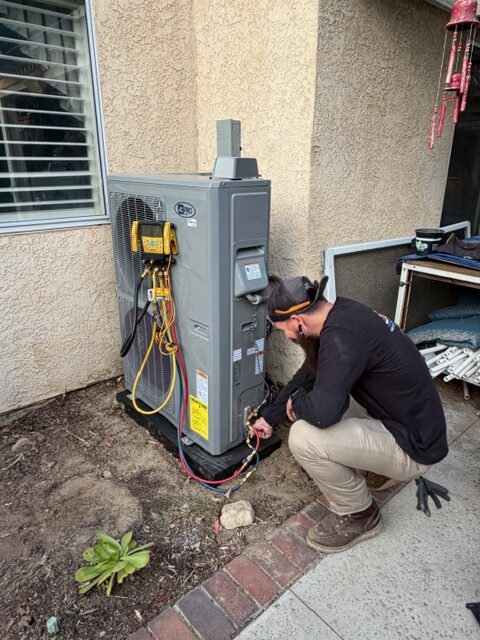
Your air conditioner works hard to keep your Diamond Bar home comfortable during the hottest months of the year. Over time, dust collects, electrical connections can loosen, moving parts wear down, and drainage components may become clogged. These gradual changes can reduce cooling performance and increase the risk of an unexpected breakdown.
A professional AC maintenance visit is designed to identify developing problems, improve system performance, and prepare your air conditioner for periods of heavy use. Although the exact checklist varies according to the equipment and its condition, a thorough appointment involves much more than replacing an air filter and briefly looking at the outdoor unit.
Here is what homeowners can generally expect during a professional air-conditioning maintenance visit from Accurate Comfort HVAC. To schedule service in Diamond Bar, call 714.325.7042.
📋 Discussing Your Comfort Concerns
A helpful maintenance appointment begins with a conversation about how the air conditioner has been performing.
Your HVAC technician may ask whether you have noticed:
- Rooms that feel warmer than others
- Weak or inconsistent airflow
- Unusual noises
- Unpleasant odors
- Longer cooling cycles
- Frequent starting and stopping
- Higher electricity bills
- Water around the indoor unit
- Thermostat problems
- Difficulty reaching the desired temperature
These details provide valuable clues. A problem that occurs only at a particular time of day or in one part of the home may not be immediately visible during a basic equipment inspection.
Let the technician know about any previous repairs, recent thermostat changes, remodeling projects, or changes in energy use. The more information you provide, the easier it is to focus the inspection on conditions affecting your comfort.
🌡️ Inspecting the Thermostat
The thermostat tells your HVAC system when to begin and stop cooling. If it is incorrectly configured, poorly located, or failing to read the temperature accurately, the air conditioner may run too long or shut down too soon.
During an AC tune-up, the technician may inspect the thermostat’s operation, settings, wiring, and communication with the HVAC equipment.
The technician may also check whether the thermostat is located near anything that could distort its reading, such as:
- Direct sunlight
- A supply vent
- An exterior door
- A drafty window
- A kitchen or appliance
- Heat-producing electronics
If you have a programmable or smart thermostat, the technician may review its schedule and equipment configuration. An incorrect system type or staging setting can affect comfort and efficiency.
Thermostat replacement is not automatically necessary during maintenance. If the existing device is operating correctly and meets your needs, it may only require a minor adjustment or new batteries.
🧹 Checking and Replacing the Air Filter
The HVAC filter protects the system from dust, pet hair, and other airborne particles. As the filter collects debris, it becomes more difficult for air to pass through it.
A clogged filter can contribute to:
- Weak airflow
- Longer cooling cycles
- Higher energy use
- Frozen evaporator coils
- Excessive blower strain
- Uneven temperatures
- Poor cooling performance
During maintenance, the technician will typically inspect the filter and determine whether it needs replacement. Depending on the company and service agreement, a replacement filter may be included, provided by the homeowner, or billed separately.
The technician can also confirm that the filter is the correct size and is installed in the proper direction. Using an excessively restrictive filter may reduce airflow if the HVAC system was not designed to accommodate it.
Homeowners should continue checking filters between professional maintenance visits. Many standard filters need replacement approximately every one to three months, depending on household conditions and system use.
💨 Evaluating System Airflow
Proper airflow is essential for effective cooling. Even a mechanically sound air conditioner will struggle if it cannot move enough air through the equipment and duct system.
The technician may evaluate airflow by checking:
- Supply and return vents
- Filter condition
- Blower operation
- Temperature differences
- Visible duct connections
- Evaporator coil condition
- Signs of excessive system pressure
Restricted airflow can cause the evaporator coil to become too cold and freeze. It can also make the HVAC system run longer, resulting in higher energy use and increased component wear.
If significant airflow problems are discovered, the technician may recommend additional diagnostic testing. A standard maintenance visit may identify a concern, but extensive duct inspection, cleaning, sealing, or airflow balancing may require separate service.
🌀 Inspecting the Blower Assembly
The blower moves conditioned air through the ductwork and into your rooms. Dust buildup, motor wear, and electrical issues can reduce its performance.
Depending on accessibility and the maintenance service being performed, the technician may inspect the blower motor, wheel, housing, and electrical connections.
A dirty blower wheel can move less air and reduce system efficiency. A failing motor may produce weak airflow, unusual sounds, overheating, or intermittent operation.
The technician may also look for excessive vibration or movement. These conditions can indicate an unbalanced wheel, loose mounting hardware, worn bearings, or other mechanical problems.
Cleaning a heavily contaminated blower assembly may be recommended as a separate service if it requires substantial disassembly.
🧊 Examining the Evaporator Coil
The indoor evaporator coil absorbs heat from the air moving through your HVAC system. Dust and debris on this coil can interfere with heat transfer and reduce cooling performance.
A technician may inspect the accessible portions of the coil for:
- Dirt buildup
- Ice
- Corrosion
- Refrigerant oil stains
- Drainage problems
- Signs of microbial growth
Oil residue near refrigerant tubing or the coil may indicate a possible leak, although proper testing is needed to confirm it.
If the coil is heavily dirty, professional cleaning may be recommended. Coil cleaning should be performed carefully because the metal fins are delicate and can be damaged by incorrect tools or harsh chemicals.
A clean evaporator coil supports efficient heat transfer, proper airflow, and effective moisture removal.
💧 Clearing and Inspecting the Condensate Drain
As your air conditioner cools the home, moisture from indoor air condenses on the evaporator coil. That water collects in a drain pan and exits through a condensate line.
Algae, dust, sludge, and other debris can clog the line. A blocked drain may cause water to back up around the indoor unit, potentially damaging ceilings, floors, walls, and nearby equipment.
During professional maintenance, the technician may inspect the drain pan, drain line, and accessible connections. The service may also include clearing or flushing the condensate drain.
The technician will look for:
- Standing water
- Cracks or corrosion in the drain pan
- Loose drain connections
- Clogged piping
- Water stains
- Improper drainage
- A malfunctioning safety switch
Some systems have a float switch designed to shut off cooling if water begins backing up. Testing this safety feature can help protect the home from water damage.
⚡ Testing Electrical Components
Air conditioners rely on electrical components to start motors, power the compressor, and control system operation. Heat, vibration, age, and repeated cycling can cause connections and components to deteriorate.
An AC maintenance visit may include inspecting or testing:
- Electrical connections
- Wiring
- Capacitors
- Contactors
- Disconnects
- Relays
- Motors
- Safety controls
- Voltage and amperage
A weak capacitor may allow a motor to continue running temporarily while making it harder for that motor to start. A worn contactor may show pitting or burned surfaces that affect electrical flow.
Finding these problems during maintenance may allow you to replace a failing component before it causes a no-cooling emergency.
Because HVAC equipment contains high voltage and capacitors can retain an electrical charge, homeowners should not attempt these tests themselves.
🌿 Inspecting the Outdoor Condenser
The outdoor condenser releases the heat that the refrigerant absorbed inside your home. For it to operate efficiently, air must move freely through the outdoor coil.
The technician will typically inspect the condenser for:
- Leaves and landscaping debris
- Dirt on the coil
- Bent fins
- Obstructed airflow
- Loose panels
- Damaged wiring
- Unusual vibration
- Oil stains
- Fan motor problems
- Physical damage
Vegetation, fencing, outdoor storage, and other objects should not crowd the unit. Adequate clearance allows air to circulate and gives technicians room to service the equipment.
If the condenser coil is dirty, cleaning it may be part of the maintenance service. Proper cleaning helps the system release heat more effectively.
Avoid cleaning the unit with a pressure washer. High-pressure water can bend the coil fins and damage the equipment.
🌀 Checking the Condenser Fan
The condenser fan pulls outdoor air across the coil to help release heat. A damaged blade, weak capacitor, worn motor, or obstructed fan can reduce cooling performance and cause the outdoor unit to overheat.
During maintenance, the technician may inspect the fan blade, motor, electrical components, and overall operation. Warning signs include unusual noises, slow startup, excessive vibration, intermittent operation, or a fan that stops while the compressor continues running.
A condenser fan problem should be addressed promptly because inadequate heat removal can place additional stress on the compressor.
❄️ Evaluating Refrigerant Performance
Your air conditioner uses refrigerant to transfer heat from inside the home to the outdoors. Refrigerant is not normally consumed during operation, so a low charge may indicate a leak or an incorrect initial charge.
Depending on system conditions and the scope of the tune-up, a technician may evaluate temperatures and pressures to determine whether the refrigerant circuit appears to be operating correctly.
Potential signs of a refrigerant problem include:
- Insufficient cooling
- Long operating cycles
- Ice on the evaporator coil
- Hissing or bubbling sounds
- Higher energy use
- Oil residue near refrigerant components
Maintenance does not always include adding refrigerant. Refrigerant should not be added automatically without confirming that the system needs it.
If a leak is suspected, the technician may recommend separate leak detection and repair. Simply adding refrigerant without addressing the source is not a permanent solution.
📏 Measuring the Temperature Difference
One way technicians assess cooling performance is by comparing the temperature of air entering the HVAC system with the temperature of air leaving it.
This measurement is often called the temperature split or temperature differential. It provides information about how effectively the system is removing heat under the current indoor and outdoor conditions.
An unusual temperature difference can result from several causes, including low airflow, a dirty coil, refrigerant problems, duct leakage, or improper equipment operation.
The measurement should not be evaluated in isolation. Humidity, airflow, system design, and operating conditions all affect the result. A qualified technician considers the full system rather than relying on a single number.
🔊 Listening for Unusual Operation
Experienced HVAC technicians pay attention to how equipment sounds during startup, operation, and shutdown.
Rattling, grinding, buzzing, squealing, or repeated clicking may reveal loose parts, motor wear, electrical trouble, or other developing problems.
The technician may also check for excessive vibration in the indoor and outdoor equipment. Vibration can loosen connections, create noise, and contribute to premature component wear.
Addressing an unusual sound during preventive maintenance may help you avoid a more disruptive failure later.
🧪 Testing the Complete Cooling Cycle
After the inspection and service tasks are completed, the technician should operate the air conditioner and observe a cooling cycle.
This final test can help confirm that:
- The thermostat calls for cooling
- Indoor and outdoor components start properly
- The blower delivers airflow
- The system produces cooled air
- The condensate system drains
- Components shut down correctly
- No obvious operating problems remain
Testing the full cycle is important because an individual component may look acceptable while the complete system still performs incorrectly.
📝 Reviewing Findings and Recommendations
At the end of the visit, the technician should explain the system’s condition and identify any concerns discovered during maintenance.
Recommendations might include:
- Replacing a worn electrical component
- Cleaning a heavily contaminated coil
- Repairing a condensate drain
- Addressing a refrigerant leak
- Improving airflow
- Repairing damaged ductwork
- Relocating or replacing the thermostat
- Monitoring an aging component
- Considering equipment replacement
A maintenance visit does not mean you must automatically approve every optional improvement. Ask questions about urgency, safety, cost, and the consequences of delaying a recommendation.
A trustworthy explanation should help you distinguish between an immediate repair, a developing concern, and a future improvement.
📅 How Often Should AC Maintenance Be Scheduled?
Most residential air conditioners benefit from professional maintenance once a year, preferably before the heaviest summer use begins.
Spring is a convenient time to schedule service because it gives homeowners an opportunity to address problems before Diamond Bar temperatures place sustained demand on the system. However, maintenance can still provide value later in the cooling season if the annual appointment was missed.
Heat pumps may benefit from more frequent attention because they provide both heating and cooling throughout the year.
Your ideal service schedule may depend on equipment age, manufacturer requirements, system usage, home conditions, and any active maintenance agreement.
✅ Benefits of Professional AC Maintenance
Regular maintenance can help:
- Support dependable cooling
- Improve system efficiency
- Reduce unnecessary energy use
- Identify worn components
- Promote consistent airflow
- Reduce the likelihood of preventable breakdowns
- Support indoor comfort
- Protect important HVAC components
- Provide information for repair planning
- Help extend useful equipment life
Maintenance cannot guarantee that an air conditioner will never experience a failure. Components can still break unexpectedly. However, routine inspection gives you a better opportunity to find visible and measurable problems before peak summer conditions arrive.
☎️ Schedule AC Maintenance in Diamond Bar
A professional AC maintenance visit includes a careful evaluation of the thermostat, filter, airflow, electrical components, refrigerant performance, coils, blower, condenser, fan, condensate drainage, and overall cooling operation.
The result is a clearer understanding of your system’s condition and an opportunity to correct problems before they lead to greater discomfort or more expensive repairs.
If your air conditioner is due for seasonal service, call Accurate Comfort HVAC at 714.325.7042. We provide professional AC maintenance in Diamond Bar to help homeowners prepare their cooling systems for dependable summer performance.