By Accurate Comfort HVAC | Brea | 714.325.7042
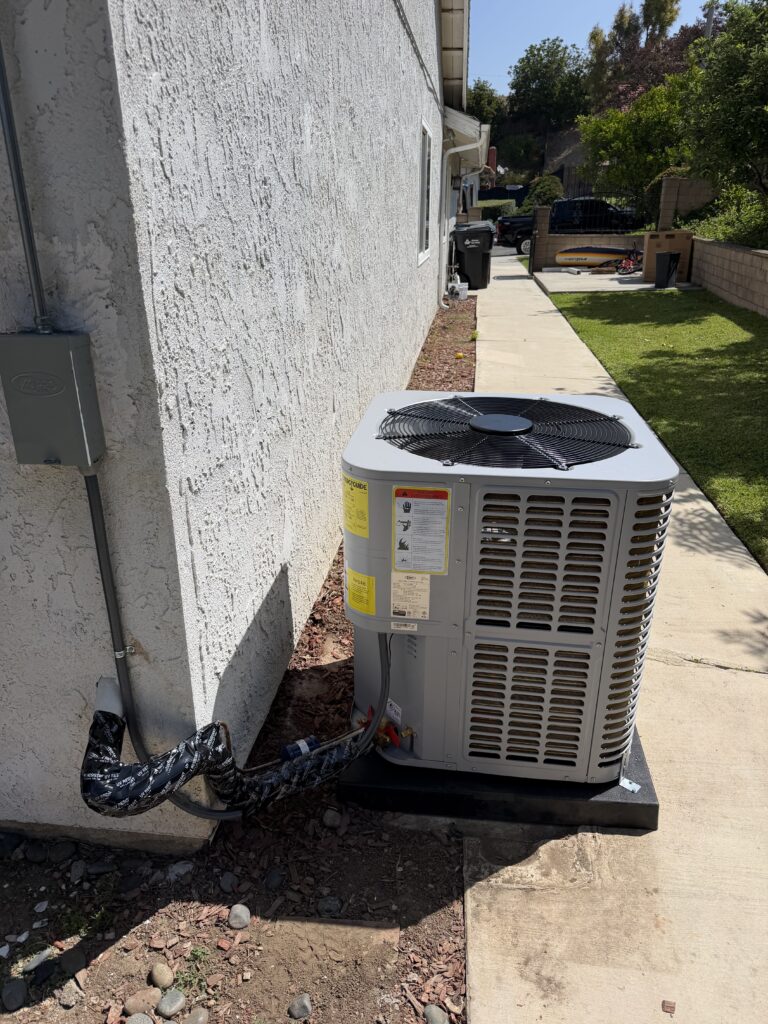
A central air-conditioning system is a significant investment in your home’s comfort. If your current equipment is getting older, you may wonder how many more summers it can handle—and when you should begin planning for replacement.
A central air-conditioning system typically lasts around 10 to 15 years, although some well-maintained systems may continue operating beyond that range. Other units may require replacement earlier because of installation problems, heavy use, limited maintenance, corrosion, or major component failure.
Age provides a helpful starting point, but it does not tell the entire story. Maintenance history, repair frequency, energy consumption, cooling performance, and the system’s overall condition are often more important than the installation date alone.
📅 What Is the Average Life Span of a Central Air Conditioner?
Many central air conditioners provide approximately 10 to 15 years of service. However, an average range is not an expiration date.
A system that reaches 15 years old does not automatically need to be replaced if it remains safe, reliable, and effective. Likewise, a system that is less than 10 years old may experience premature problems if it was improperly installed, incorrectly sized, or consistently operated under stressful conditions.
The life expectancy of a central air conditioner depends on several factors:
- Installation quality
- Equipment sizing
- Maintenance frequency
- Daily operating time
- Local climate
- Thermostat habits
- Airflow
- Duct condition
- Repair history
- Exposure to outdoor debris or corrosion
- Manufacturing quality
Instead of replacing equipment solely because of its age, consider how well it currently operates and how much it costs to maintain.
🛠️ How Maintenance Affects AC Life Span
Routine maintenance is one of the most important factors within a homeowner’s control. Air conditioners contain motors, electrical components, coils, fans, controls, and drainage parts that experience normal wear.
Professional maintenance can help identify conditions such as:
- Dirty evaporator or condenser coils
- Weak capacitors
- Loose electrical connections
- Restricted airflow
- Clogged condensate drains
- Unusual motor operation
- Corrosion
- Damaged wiring
- Abnormal system cycling
Correcting developing problems may prevent additional stress on other components. For example, restricted airflow can contribute to coil freezing, while a dirty condenser may make the system work harder to release heat.
Maintenance cannot prevent every failure or guarantee a specific equipment life. It can, however, help reduce avoidable wear and provide a clearer picture of the system’s condition.
🧹 Why Air Filter Replacement Matters
A dirty filter restricts airflow through the HVAC system. Reduced airflow can make the air conditioner run longer, increase blower strain, and contribute to evaporator coil freezing.
Inspect the filter monthly and replace it as needed. Many standard filters require replacement approximately every one to three months, although the correct interval depends on:
- Filter type
- System usage
- Pets
- Indoor dust
- Allergy concerns
- Construction or remodeling
- Number of occupants
Use the correct filter size and follow the airflow arrow printed on the frame. An overly restrictive filter may also create airflow problems if the HVAC system was not designed for it.
Regular filter care is simple, but it can play an important role in supporting reliable system operation.
📏 Proper Equipment Sizing Is Essential
A larger air conditioner does not necessarily last longer or provide better comfort. Equipment must be matched to the home’s actual cooling requirements.
An oversized system may cool the space near the thermostat too quickly and shut off before completing a full cycle. Frequent starts and stops can place additional wear on electrical and mechanical components.
An undersized system may run almost continuously during hot weather, increasing operating stress while still struggling to keep the home comfortable.
Proper sizing should account for:
- Home size and layout
- Insulation levels
- Window area and orientation
- Ceiling height
- Air leakage
- Sun exposure
- Occupancy
- Heat-producing appliances
- Ductwork
A professional load calculation is more reliable than choosing equipment based solely on square footage or the capacity of the previous system.
🔧 Installation Quality Can Determine Long-Term Reliability
Even high-quality equipment may perform poorly if installed incorrectly. Central air-conditioning systems require proper airflow, electrical connections, drainage, refrigerant-related setup, and compatible indoor and outdoor components.
Installation concerns that may shorten system life include:
- Incorrect equipment sizing
- Improper refrigerant charge
- Restricted return airflow
- Poor duct connections
- Inadequate drainage
- Incorrect electrical installation
- Mismatched components
- Poorly located outdoor equipment
If your air conditioner has experienced comfort or reliability problems since installation, an installation or design issue may be contributing.
Choosing qualified installation and service professionals can be as important as selecting the equipment itself.
☀️ Heavy Use Can Increase Wear
Air conditioners in warm climates often operate for long periods. The more frequently a system runs, the more operating hours its motors, fans, compressor, and electrical components accumulate.
Heavy use may result from:
- High outdoor temperatures
- Very low thermostat settings
- Poor insulation
- Air leakage
- Dirty filters
- Leaking ducts
- Insufficient equipment capacity
- Large amounts of direct sunlight
- Heat-producing indoor activities
You should not avoid using the air conditioner when cooling is necessary. Instead, reduce unnecessary workload through reasonable thermostat settings, routine maintenance, air sealing, insulation, and appropriate window coverings.
🏠 Ductwork Can Affect Equipment Life
Your central air conditioner depends on the duct system to circulate air. Leaking, crushed, disconnected, or poorly designed ducts can reduce airflow and force the equipment to run longer.
Signs of duct problems include:
- Weak airflow from certain vents
- Rooms that remain too warm
- Excessive indoor dust
- Whistling or rattling sounds
- Higher electricity consumption
- Long cooling cycles
- Visible gaps in accessible ductwork
Repairing duct leakage and airflow restrictions may improve comfort and reduce system strain. When considering AC replacement, ask whether the existing ductwork should also be evaluated.
New equipment cannot perform as intended if the air-distribution system is defective.
🌿 Outdoor Conditions Also Matter
The condenser is exposed to weather, dust, leaves, grass clippings, and other outdoor materials. Debris around the unit can restrict airflow and interfere with heat transfer.
Help protect the condenser by:
- Removing loose leaves and debris
- Trimming nearby vegetation
- Maintaining appropriate clearance
- Keeping sprinklers from continuously spraying the cabinet
- Avoiding storage around the unit
- Scheduling professional coil cleaning when needed
Do not cover the condenser while it is operating or place decorative enclosures too close to the cabinet. The unit needs unrestricted airflow to function correctly.
Homes near sources of salt, chemicals, irrigation overspray, or heavy dust may experience faster outdoor coil and cabinet deterioration.
⚡ Signs Your Older AC Is Losing Efficiency
An older air conditioner may continue operating while gradually using more energy or providing less comfort.
Possible signs of declining efficiency include:
- Higher electricity consumption
- Longer cooling cycles
- Difficulty reaching the thermostat setting
- Uneven room temperatures
- Frequent starting and stopping
- Weak airflow
- Increasing repair needs
- Poor humidity control
Energy rates and weather conditions can also affect utility bills. Compare actual electricity usage with similar periods from previous years rather than looking only at the dollar total.
A professional performance evaluation can help distinguish between an equipment issue and problems involving ducts, insulation, air leakage, or thermostat settings.
🚨 Warning Signs That Replacement May Be Approaching
Age alone does not determine when an air conditioner should be replaced. The following warning signs become more significant when several occur together:
- Frequent repairs
- A major component failure
- Recurring refrigerant leaks
- Rising energy use
- Long or continuous operation
- Uneven cooling
- Unusual noises
- Limited replacement-part availability
- Excessive corrosion
- Inability to maintain comfortable temperatures
A single minor repair may not justify replacement. However, repeated failures on an aging system may indicate that continued repairs are becoming less practical.
🔄 Repair or Replace: How Should You Decide?
When an older air conditioner needs repair, consider the complete situation rather than using one formula.
Ask:
- How old is the system?
- What component has failed?
- How much will the repair cost?
- Has the system needed frequent repairs?
- What is the condition of other major components?
- Is the required part readily available?
- Is any repair covered by warranty?
- Does the system still cool the home evenly?
- Has electricity consumption increased?
- How long do you plan to remain in the home?
Repair may make sense when the issue is limited, the system has been reliable, and the rest of the equipment remains in good condition.
Replacement may be more practical when the system is older, major repairs are becoming frequent, efficiency has declined, or the equipment can no longer meet your comfort needs.
🧊 Does Refrigerant Type Affect the Decision?
Refrigerant and compatible component availability can affect the practicality and cost of repairing older equipment. Certain systems may require materials or parts that are more difficult to obtain than those used in newer equipment.
This does not automatically mean an older air conditioner must be replaced. A qualified technician should evaluate:
- Whether a refrigerant leak exists
- The location and severity of the leak
- The condition of the affected component
- Availability of compatible parts
- Overall system condition
- Repair cost compared with replacement
Adding refrigerant without locating and addressing a leak may provide only temporary improvement. The underlying cause should be properly diagnosed.
🛡️ Can a Manufacturer’s Warranty Extend AC Life?
A warranty does not physically extend equipment life, but it may reduce the cost of certain covered repairs. This can make repairing a relatively young system more practical.
Warranty coverage varies and may depend on:
- Equipment registration
- Installation date
- Covered components
- Maintenance requirements
- Ownership transfer rules
- Labor coverage
- Exclusions
Keep installation records, maintenance invoices, repair documentation, and model and serial numbers. Confirm warranty coverage before approving a major repair.
Even when a part is covered, diagnostic work, labor, refrigerant, shipping, or other costs may not be included.
🔊 Do Unusual Noises Mean the AC Is Near the End?
Not every unusual noise means the entire system needs replacement. A loose panel, worn fan component, or failing electrical part may be repairable.
Pay attention to:
- Grinding
- Screeching
- Banging
- Buzzing
- Rattling
- Hissing
- Repeated clicking
- Loud humming
Turn the system off if you hear severe grinding or metallic banging, especially when accompanied by a burning odor or reduced cooling.
Professional diagnosis can determine whether the noise comes from a replaceable component or indicates more extensive deterioration.
💧 Water Leaks Can Damage More Than the AC
Air conditioners remove moisture from indoor air. That moisture should flow into a drain pan and exit through a condensate line.
Water around the indoor unit may be caused by:
- A clogged condensate drain
- A cracked drain pan
- A disconnected line
- A frozen evaporator coil
- A malfunctioning condensate pump
Prompt drainage service can help protect the HVAC equipment and nearby ceilings, walls, flooring, and belongings.
Repeated water problems may contribute to corrosion and equipment deterioration if left unresolved.
✅ How to Help Your Central AC Last Longer
Homeowners can take several practical steps to support system reliability:
- Inspect the filter monthly
- Replace dirty filters
- Schedule seasonal maintenance
- Keep supply and return vents unobstructed
- Maintain clearance around the outdoor condenser
- Use reasonable thermostat settings
- Address unusual noises promptly
- Repair water leaks
- Have duct problems evaluated
- Keep service and warranty records
These actions cannot guarantee a specific life span, but they can reduce avoidable stress and make developing problems easier to detect.
📆 When Should You Begin Planning for Replacement?
You do not need to wait for a complete breakdown to begin planning. If your air conditioner is around 10 years old or older, start monitoring its repair costs, energy use, and performance more closely.
Planning ahead allows time to:
- Compare equipment options
- Review efficiency ratings
- Evaluate ductwork
- Confirm proper system sizing
- Budget for installation
- Ask questions about warranties
- Avoid making a rushed decision during extreme heat
Preparing for eventual replacement does not mean the existing system must be removed immediately. It simply helps you make a more informed decision when the time arrives.
📞 Get a Professional AC Evaluation in Brea
A central air-conditioning system commonly lasts around 10 to 15 years, but maintenance, sizing, installation quality, operating conditions, and repair history can extend or shorten that range.
Accurate Comfort HVAC can evaluate your existing equipment, explain its condition, and help you compare repair and replacement options for your Brea home. Call 714.325.7042 to schedule professional air-conditioning service and make an informed plan for dependable indoor comfort.