Tag: carbon monoxide safety

  • 🔥 Should You Repair Your Furnace Before Winter Arrives?

    By the HVAC Comfort Team | Brea | 714.325.7042
    Should You Repair Your Furnace Before Winter Arrives?

    Repairing a malfunctioning furnace before winter arrives can help you avoid an unexpected loss of heat when you need the system most. Accurate Comfort HVAC recommends addressing unusual noises, ignition problems, weak airflow, repeated cycling, and other warning signs before cooler weather begins. Early service provides time to diagnose the problem, complete necessary repairs, and confirm that the heating system operates safely and reliably.

    Even in Brea’s relatively mild winter climate, a dependable furnace remains important during cold nights and mornings. Waiting until the first significant temperature drop may leave you competing for an appointment during a busy period or making a rushed decision about an expensive repair.

    🍂 Why Schedule Furnace Repairs Before Winter?

    A furnace may sit unused for much of the year. When you turn it on for the first time, an electrical, mechanical, airflow, ignition, or control problem may become apparent.

    Scheduling service before the main heating season gives you an opportunity to:

    • Resolve problems before colder weather
    • Avoid an unexpected loss of heat
    • Reduce unnecessary stress on furnace components
    • Check system airflow
    • Identify certain safety concerns
    • Compare repair options without as much urgency
    • Plan for replacement if the furnace is no longer practical to repair

    A furnace that operates does not necessarily operate correctly. It may continue producing heat while cycling abnormally, making unusual noises, or using more energy than expected.

    🌡️ 1. Your Furnace Is Not Producing Enough Heat

    A furnace should provide noticeably warm air and gradually move the home toward the thermostat setting. If it runs without making the home comfortable, it may need professional attention.

    Possible causes include:

    • A dirty air filter
    • A thermostat problem
    • Restricted airflow
    • A failing blower
    • Ignition or burner problems
    • Leaking ductwork
    • Incorrect equipment sizing
    • A malfunctioning control
    • Aging components

    Check that the thermostat is set to “Heat” and that the selected temperature is above the current indoor temperature. Inspect the filter and replace it if dirty.

    If those basic steps do not restore normal heating, schedule furnace diagnosis before the problem worsens.

    💨 2. Airflow from the Vents Is Weak

    Weak airflow can make rooms uncomfortable and cause the furnace to operate longer. It may also contribute to overheating within the equipment.

    Potential causes include:

    • A clogged filter
    • Blocked return-air grilles
    • Closed supply vents
    • A dirty blower wheel
    • A failing blower motor
    • Leaking or damaged ducts
    • Incorrect fan operation
    • Undersized ductwork

    Keep supply and return vents open and unobstructed. Move furniture, rugs, curtains, and stored belongings away from registers.

    Do not attempt to solve airflow problems by closing more vents. This may increase pressure inside the duct system and make the problem worse.

    🔄 3. The Furnace Turns On and Off Frequently

    A furnace normally operates in heating cycles. If it starts and stops every few minutes, it may be short cycling.

    Furnace short cycling can result from:

    • Restricted airflow
    • A dirty filter
    • Thermostat problems
    • An overheating condition
    • A faulty safety control
    • Flame-sensing issues
    • Incorrect equipment sizing
    • Electrical problems

    Frequent starts and stops place additional wear on system components and may prevent the home from heating evenly.

    If replacing a dirty filter does not correct the problem, request professional service. Repeated cycling is a symptom, and the underlying cause must be identified.

    🔊 4. The Furnace Makes Unusual Noises

    Furnaces produce some sound during startup and normal operation. However, new, loud, or persistent noises may indicate a loose or failing component.

    Pay attention to:

    • Grinding
    • Screeching
    • Rattling
    • Banging
    • Buzzing
    • Repeated clicking
    • Rumbling
    • Popping

    Grinding or screeching may indicate motor or blower wear. Rattling could come from a loose panel, ductwork, or internal hardware. Repeated clicking may signal an ignition, electrical, or control problem.

    Turn the furnace off if the noise is loud, metallic, or accompanied by a burning odor.

    👃 5. You Notice Unusual Odors

    A mild dusty odor can occur when a furnace operates for the first time after months of inactivity. Dust on accessible heating surfaces may warm and produce a temporary smell that should fade.

    Persistent or strong odors require attention. These may include:

    • Burning electrical odors
    • Melting-plastic smells
    • Strong fuel odors
    • Musty smells
    • Excessively dusty odors
    • Overheated-metal smells

    If you smell gas, do not attempt to locate the source, operate switches, use a phone inside the building, or restart the furnace. Leave the property and follow the emergency instructions provided by the gas utility or local authorities.

    A burning or electrical odor is also a reason to turn the system off and request prompt service.

    ⚡ 6. The Furnace Is Difficult to Start

    A furnace that starts inconsistently may have an electrical, thermostat, ignition, fuel-delivery, or safety-control problem.

    You may notice:

    • Delayed startup
    • Repeated clicking
    • Several startup attempts
    • A blower that operates without heat
    • A system that shuts down shortly after starting
    • Intermittent operation
    • A thermostat calling for heat without a response

    Do not repeatedly restart the equipment. Multiple unsuccessful attempts can place additional stress on components and may not be safe when fuel-burning equipment is involved.

    A technician can test the startup sequence and determine why the system is failing to operate consistently.

    🟡 7. The Burner Flame Looks Unusual

    Homeowners should not open the furnace cabinet or adjust burners. If the burner flame is safely visible through a manufacturer-provided observation window, a significant change in its appearance may deserve attention.

    An unusual flame pattern can have several possible causes and requires professional evaluation. Do not attempt to clean, adjust, or repair fuel-burning components yourself.

    Soot, scorching, discoloration, or black staining near the equipment or venting should also be inspected. These conditions do not identify the cause on their own, but they should not be ignored.

    🚨 8. A Carbon-Monoxide Alarm Sounds

    Carbon monoxide is a colorless, practically odorless gas that can result from incomplete combustion. Potential household sources include leaking furnaces, damaged chimneys, improperly vented appliances, and vehicle exhaust from attached garages. EPA carbon-monoxide information

    If a carbon-monoxide alarm sounds:

    1. Leave the building and move to fresh air.
    2. Contact emergency services or follow local emergency guidance.
    3. Do not reenter until qualified responders say it is safe.
    4. Do not restart the furnace.
    5. Arrange professional inspection after the immediate emergency is resolved.

    Possible carbon-monoxide exposure symptoms include headache, dizziness, confusion, nausea, fatigue, and weakness. Seek medical attention if exposure is suspected.

    Carbon-monoxide alarms are an essential backup, but they do not replace professional installation and maintenance of fuel-burning equipment.

    💸 9. Heating Costs Have Increased Unexpectedly

    Changes in weather, utility rates, thermostat settings, and household routines can affect heating bills. However, a sudden increase in energy consumption may indicate that the furnace is operating less efficiently.

    Possible causes include:

    • Dirty filters
    • Long heating cycles
    • Duct leakage
    • Thermostat problems
    • Poor insulation
    • Air leaks
    • Blower problems
    • Aging equipment
    • Mechanical or combustion-related concerns

    Compare actual energy usage with similar periods from previous years rather than looking only at the bill total.

    If consumption rises while comfort declines, have the heating system evaluated.

    🏠 10. Some Rooms Remain Colder Than Others

    Uneven heating may result from a furnace problem, but it can also involve ducts, insulation, vents, or the home itself.

    Common causes include:

    • Blocked supply vents
    • Obstructed return grilles
    • Leaking ducts
    • Poor duct design
    • Inadequate insulation
    • Air leakage
    • Thermostat placement
    • Incorrect furnace sizing
    • Reduced blower performance

    Document which rooms remain cold and whether the issue occurs at a particular time of day. This information can help the technician identify airflow or building-related patterns.

    💧 11. You See Water Near the Furnace

    Water around a furnace may come from a condensate drain, humidifier, air conditioner, plumbing line, or another nearby source.

    Possible furnace-related causes include:

    • A clogged condensate drain
    • A damaged drain line
    • A faulty condensate pump
    • A leaking whole-home humidifier
    • Improper drainage
    • An internal condensation problem

    Do not ignore water near electrical components. Turn the system off if moisture is actively reaching the furnace cabinet, wiring, or nearby electrical equipment.

    Prompt service can help prevent property damage and equipment corrosion.

    🔌 12. The Circuit Breaker Keeps Tripping

    A furnace circuit breaker may trip because of an electrical fault, motor problem, damaged wiring, or overloaded component.

    If the breaker trips, you may reset it once. If it trips again, leave it off and schedule professional service. Repeatedly resetting a breaker can be unsafe and does not correct the cause.

    Do not remove furnace panels or handle internal wiring. HVAC systems contain high-voltage components that should be inspected by qualified professionals.

    🧹 Start with the Furnace Filter

    A dirty filter is one of the easiest furnace problems to prevent. Restricted airflow can reduce comfort, increase blower strain, and contribute to overheating.

    Inspect the filter monthly and replace it when necessary. Many filters need replacement approximately every one to three months, but the correct interval depends on:

    • Filter design
    • Furnace runtime
    • Pets
    • Household dust
    • Allergy concerns
    • Remodeling or construction
    • Number of occupants

    Use the correct size and install the filter in the direction indicated by its airflow arrow. Avoid choosing an overly restrictive filter without confirming that the HVAC system can accommodate it.

    🛠️ Repair or Tune-Up: Which Appointment Do You Need?

    A furnace tune-up is preventive maintenance for equipment that is generally operating correctly. A repair appointment is appropriate when the system has a known performance problem.

    Schedule a tune-up when:

    • The furnace appears to work normally
    • Seasonal maintenance is due
    • You want the system inspected before winter
    • No significant warning signs are present

    Schedule a repair when:

    • The furnace will not start
    • Heating is inadequate
    • The system makes loud noises
    • It cycles every few minutes
    • You smell burning or gas
    • A breaker repeatedly trips
    • Water is leaking
    • The furnace shows an error code
    • The blower operates without producing heat

    Describe the symptoms when arranging the appointment so the correct service can be scheduled.

    🔍 What Happens During Furnace Diagnosis?

    The exact diagnostic process depends on the furnace type and symptoms. A technician may inspect:

    • Thermostat operation
    • Air-filter condition
    • System airflow
    • Startup and shutdown
    • Electrical connections
    • Blower components
    • Safety controls
    • Ignition components
    • Accessible fuel-related components
    • Venting
    • Temperature performance
    • Error codes
    • Visible signs of corrosion or overheating

    The technician should explain what failed, how the condition was confirmed, and which repair options are available.

    📋 What Does Preventive Furnace Maintenance Include?

    A seasonal furnace tune-up may involve:

    • Inspecting or replacing the filter
    • Testing thermostat operation
    • Checking the blower
    • Evaluating airflow
    • Inspecting electrical connections
    • Testing system startup
    • Checking safety controls
    • Examining accessible ignition components
    • Inspecting visible vent connections
    • Listening for unusual operation
    • Testing system shutdown
    • Identifying visible wear or corrosion

    The U.S. Consumer Product Safety Commission recommends a yearly professional inspection of fuel-burning home heating systems, including furnaces, boilers, fireplaces, chimneys, flues, and vents. CPSC home-heating safety guidance

    ⏳ Should You Repair or Replace an Older Furnace?

    Not every furnace problem requires replacement. A limited repair may restore reliable performance when the system is otherwise in good condition.

    Replacement may deserve consideration when:

    • The furnace is older and deteriorating
    • Repairs have become frequent
    • A major component has failed
    • Parts are difficult to obtain
    • Heating performance has declined
    • Energy consumption continues to rise
    • The equipment has significant corrosion
    • Safety-related problems cannot be corrected economically
    • The furnace is improperly sized

    Consider the furnace’s age, repair history, current condition, efficiency, warranty coverage, and the cost of the proposed repair.

    Avoid making the decision based on one formula. A major repair may be reasonable for a newer system, while several smaller repairs may be difficult to justify on deteriorating equipment.

    📅 Why Fall Is a Good Time for Furnace Service

    Scheduling service before winter offers several practical advantages:

    • The furnace can be tested before regular use
    • There is time to complete recommended repairs
    • You can address safety concerns promptly
    • Appointment availability may be more flexible
    • You can compare replacement options without an emergency
    • The home is less likely to lose heat unexpectedly

    Do not wait for a specific calendar date if the furnace already shows warning signs. A malfunction should be addressed when it appears.

    ✅ Furnace Checks Homeowners Can Perform

    Before the heating season begins, homeowners can safely:

    1. Inspect and replace a dirty filter.
    2. Remove items stored near the furnace.
    3. Open supply vents.
    4. Unblock return-air grilles.
    5. Test the thermostat.
    6. Test smoke and carbon-monoxide alarms according to their instructions.
    7. Check for visible water near the equipment.
    8. Listen for unusual noises during startup.
    9. Note unusual odors.
    10. Schedule professional maintenance.

    Do not open service panels, adjust burners, repair wiring, or modify furnace venting yourself.

    📞 Prepare Your Furnace for Winter in Brea

    Repairing a furnace before winter can help prevent an inconvenient breakdown, reduce unnecessary equipment strain, and provide time to address safety or performance concerns. If your system makes unusual noises, cycles frequently, produces weak heat, or struggles to start, schedule service before colder weather arrives. Accurate Comfort HVAC can diagnose the problem and recommend appropriate repair or replacement options for your Brea home. Call 714.325.7042 to arrange professional furnace service.
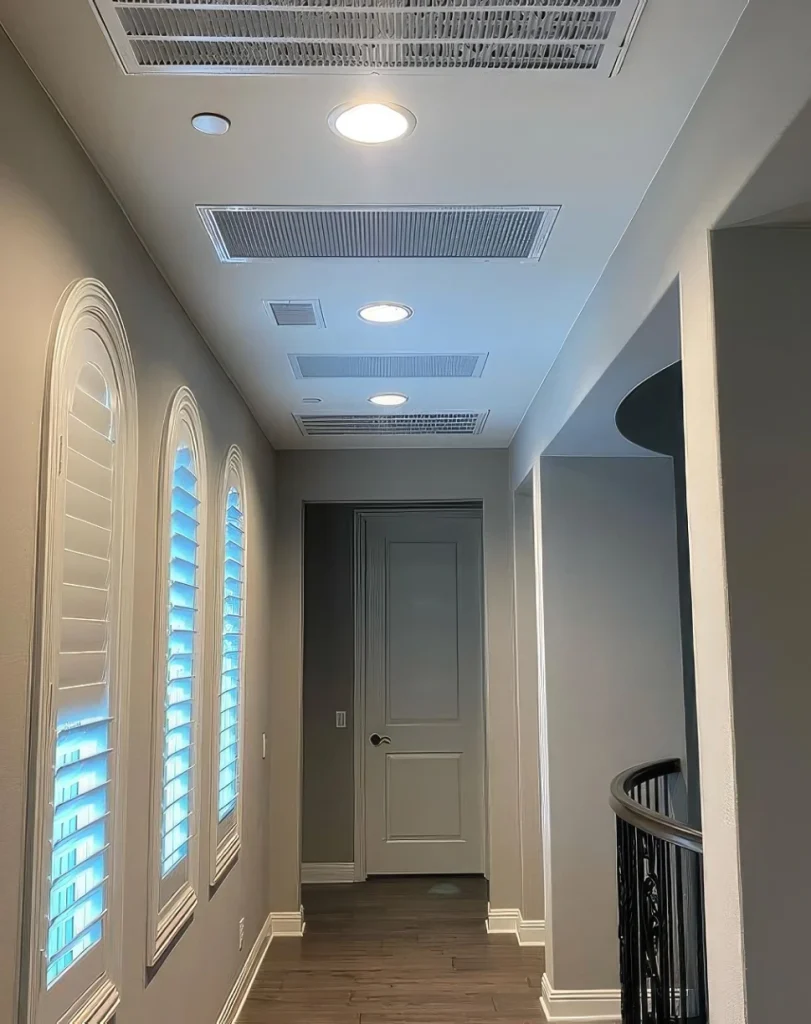
  • 🌿 How Indoor Air Quality Affects Your Family’s Health and Comfort

    By the HVAC Comfort Team | Brea | 714.325.7042

    How Indoor Air Quality Affects Your Family’s Health and Comfort

    The air inside your home can influence how comfortable family members feel and may affect their health. Accurate Comfort HVAC helps Brea homeowners understand how ventilation, filtration, humidity, HVAC maintenance, and pollutant sources contribute to indoor air quality. Although heating and cooling equipment is only one part of the solution, a properly maintained system can support cleaner, more comfortable indoor air.

    Indoor air may contain particles, moisture, gases, odors, and biological contaminants from both indoor and outdoor sources. Common pollutants include smoke, mold, particulate matter, carbon monoxide, radon, pet dander, dust mites, and volatile organic compounds.

    The effects vary according to the pollutant, concentration, length of exposure, and individual sensitivity. Some people experience noticeable symptoms, while others may not react at all.

    🏠 What Is Indoor Air Quality?

    Indoor air quality, commonly abbreviated as IAQ, describes how the air inside a building affects the health and comfort of its occupants.

    Indoor conditions are influenced by:

    • Pollutant sources
    • Outdoor air quality
    • Ventilation
    • HVAC filtration
    • Indoor humidity
    • Building materials
    • Household activities
    • Cleaning products
    • Fuel-burning appliances
    • Pets and pests
    • Water leaks
    • Occupant behavior

    The rate at which indoor air is exchanged with outdoor air also affects pollutant concentrations. Natural infiltration, open windows, exhaust fans, and mechanical ventilation can all change that exchange rate. The EPA explains that outdoor climate, building design, weather, and occupant behavior also influence indoor air quality.

    👀 How Poor Indoor Air May Affect Your Family

    The health effects associated with indoor pollutants depend on many variables. Possible short-term effects may include:

    • Eye irritation
    • Nose or throat irritation
    • Headaches
    • Dizziness
    • Fatigue
    • Coughing
    • Wheezing
    • Nasal congestion

    Long or repeated exposure to certain pollutants has been associated with more serious health effects. Individual responses differ, and symptoms that occur at home may have causes unrelated to indoor air.

    Children, older adults, and people with asthma, allergies, chronic lung disease, cardiovascular conditions, or weakened immune systems may be more susceptible to certain pollutants.

    If someone experiences persistent or severe symptoms, seek guidance from a qualified healthcare professional. An HVAC inspection cannot diagnose a medical condition.

    🤧 Allergies and Airborne Irritants

    Pollen, pet dander, dust-mite material, mold particles, and pest debris may trigger allergic reactions in sensitive individuals.

    Possible symptoms include:

    • Sneezing
    • Runny or congested nose
    • Itchy or watery eyes
    • Coughing
    • Skin irritation
    • Throat discomfort

    Many allergens settle on floors, furniture, bedding, and other surfaces rather than remaining continuously suspended in the air. Filtration may reduce certain airborne particles, but it does not replace regular cleaning or removing the pollutant source.

    Use a complete approach that may include:

    • Compatible HVAC filtration
    • Regular vacuuming
    • Damp dusting
    • Washing bedding
    • Controlling indoor moisture
    • Grooming pets
    • Addressing pest problems
    • Limiting open windows when outdoor pollen is high

    🫁 Asthma and Respiratory Sensitivity

    Indoor pollutants can aggravate respiratory symptoms in some people. Potential triggers may include smoke, mold, dust mites, pet allergens, strong fragrances, combustion pollutants, and fine particles.

    Mold is particularly concerning for certain individuals. The CDC reports that damp or moldy environments may cause no effects in some people but can contribute to stuffy nose, sore throat, coughing, wheezing, burning eyes, or skin rash in others. People with asthma, mold allergies, weakened immune systems, or chronic lung disease may face greater risks. CDC mold and health guidance

    Families managing asthma should follow the affected person’s medical treatment plan and discuss possible environmental triggers with a healthcare provider. HVAC improvements can support indoor conditions, but they are not a substitute for medical care.

    🌫️ Fine Particles Inside the Home

    Particulate matter consists of small solid particles and liquid droplets suspended in the air. Indoor particles can enter from outside or originate from activities inside the home.

    Potential sources include:

    • Cooking
    • Candles
    • Fireplaces
    • Tobacco smoke
    • Unvented heaters
    • Dust-producing hobbies
    • Outdoor pollution
    • Vacuuming and cleaning
    • Construction or remodeling

    Particle size matters because smaller particles can travel more deeply into the respiratory system. People with heart or lung disease, children, and older adults may be more susceptible to particle exposure. EPA guidance on indoor particulate matter

    Source control, ventilation when outdoor conditions are suitable, and appropriately selected filtration can help reduce exposure.

    🦠 Mold and Moisture

    Mold can grow when spores encounter sufficient moisture. Common locations include areas affected by:

    • Roof leaks
    • Plumbing leaks
    • Window leaks
    • Condensation
    • Flooding
    • Wet carpet
    • Damp drywall
    • High indoor humidity
    • Clogged HVAC drains

    If you see or smell mold, address both the growth and the source of moisture. Cleaning visible mold without correcting the leak or humidity problem may allow it to return.

    Wet materials should be dried promptly. Porous materials that cannot be cleaned and dried may require removal. Large contamination areas, sewage-related water, or conditions affecting vulnerable occupants may require professional remediation.

    Do not rely on an air purifier to solve an active moisture problem. The moisture source must be corrected.

    💧 Indoor Humidity and Comfort

    Humidity affects both comfort and indoor environmental conditions. Air that is excessively humid may feel warm, sticky, or uncomfortable. Persistent moisture can also support mold growth and dust-mite populations.

    Very dry air can contribute to:

    • Dry skin
    • Irritated eyes
    • Dry nasal passages
    • Static electricity
    • Shrinking or cracking of certain wood materials

    The EPA generally recommends keeping indoor relative humidity below 60%, ideally between approximately 30% and 50%, while recognizing that appropriate conditions vary. EPA guidance on biological contaminants and humidity

    Use a hygrometer to monitor conditions instead of relying only on how the air feels. If humidity remains high while the air conditioner is operating, the system may need maintenance or a separate moisture-control strategy.

    🧪 Volatile Organic Compounds

    Volatile organic compounds, or VOCs, are gases released by certain solids and liquids. Potential household sources include:

    • Paints
    • Adhesives
    • Cleaning supplies
    • Pesticides
    • Air fresheners
    • Hobby products
    • New furnishings
    • Pressed-wood materials
    • Stored fuels
    • Personal-care products

    Possible effects depend on the specific chemical, concentration, and exposure time. Some VOCs may contribute to eye, nose, and throat irritation, headaches, dizziness, or nausea.

    Follow product labels, store materials correctly, and increase ventilation when using products that release VOCs—provided outdoor air quality and weather conditions are suitable. EPA guidance on VOCs and indoor air

    🚨 Carbon Monoxide Requires Special Attention

    Carbon monoxide is a colorless, odorless, toxic gas produced by incomplete combustion. Potential sources include malfunctioning furnaces, gas appliances, fireplaces, generators, vehicle exhaust, and unvented fuel-burning heaters.

    Exposure may cause:

    • Headache
    • Dizziness
    • Weakness
    • Nausea
    • Confusion
    • Fatigue
    • Impaired coordination

    High concentrations can be fatal. Every home with fuel-burning equipment or an attached garage should have properly located and functioning carbon-monoxide alarms.

    Never use a portable generator inside a home, garage, crawlspace, or other enclosed area. If a carbon-monoxide alarm sounds, leave the building and follow the alarm manufacturer’s instructions and local emergency guidance. Do not search for the source yourself. EPA carbon-monoxide safety information

    🚭 Smoke and Combustion Pollutants

    Tobacco smoke, fireplaces, candles, cooking, and improperly vented appliances can release gases and particles indoors.

    To reduce exposure:

    • Keep the home and vehicle smoke-free
    • Use kitchen exhaust that vents outdoors
    • Maintain fuel-burning appliances
    • Operate fireplaces correctly
    • Avoid using unvented combustion appliances
    • Never burn materials not intended for the appliance
    • Maintain smoke and carbon-monoxide alarms

    An HVAC filter cannot eliminate all smoke-related gases and particles. Preventing or controlling the source is more effective.

    🌬️ Why Ventilation Matters

    Ventilation helps replace indoor air with outdoor air and can dilute pollutants produced inside the home.

    Ventilation may come from:

    • Open windows and doors
    • Bathroom exhaust fans
    • Kitchen range hoods
    • Mechanical ventilation systems
    • Normal building leakage

    More outdoor air is not always better. Avoid opening windows when outdoor air pollution, wildfire smoke, pollen, heat, or humidity is high.

    Use bathroom fans during and after showers, and operate a range hood that vents outside while cooking. Clothes dryers should also vent outdoors.

    Mechanical ventilation equipment should be properly installed, operated, and maintained according to its manufacturer’s instructions.

    🎯 Source Control Comes First

    The EPA identifies three fundamental approaches to improving indoor air: controlling pollutant sources, improving ventilation, and using filtration or air cleaning. Source control is generally the most effective starting point. EPA indoor-air-quality guidance

    Examples of source control include:

    • Repairing plumbing and roof leaks
    • Preventing indoor smoking
    • Venting combustion appliances correctly
    • Removing damaged, moldy materials
    • Storing chemicals safely
    • Selecting lower-emission products
    • Managing pests without excessive pesticide use
    • Using exhaust ventilation while cooking
    • Removing debris rather than only trying to filter it

    Filtration can support these efforts, but it cannot compensate for a continuing pollutant source.

    🧹 The Role of Your HVAC Filter

    A central HVAC filter captures particles as return air passes through the system. Its performance depends on filter design, airflow, system runtime, installation, and maintenance.

    A filter may help capture:

    • Dust
    • Pollen
    • Certain airborne pet allergens
    • Some mold particles
    • Other suspended particulate matter

    A filter cannot remove every contaminant. Standard particulate filters generally do not remove gases such as carbon monoxide, radon, or many VOCs.

    Inspect the filter monthly and replace it when dirty. Many filters need replacement approximately every one to three months, but the appropriate schedule depends on household conditions.

    Do not install the highest-rated filter you can find without checking equipment compatibility. An overly restrictive filter can reduce airflow and negatively affect HVAC performance.

    🧰 Portable Air Cleaners

    Portable air cleaners may reduce certain airborne particles when they are properly sized and operated. Their effectiveness depends on:

    • Room size
    • Airflow rate
    • Filter type
    • Operating speed
    • Placement
    • Maintenance
    • Pollutant type
    • Source strength

    Choose a unit designed for the room where it will operate and follow its filter-replacement instructions.

    Air cleaners are supplemental tools. They do not replace ventilation, source control, cleaning, moisture repair, carbon-monoxide alarms, or radon testing. The EPA notes that air cleaners may help with some suspended particles but generally cannot remove pollutants that have settled on surfaces unless those particles become airborne again. EPA information about air cleaners and health risks

    🧹 How HVAC Maintenance Supports Indoor Air Quality

    Routine HVAC maintenance can support indoor-air quality by helping the system circulate and condition air correctly.

    A professional service visit may include:

    • Inspecting the air filter
    • Checking system airflow
    • Examining accessible coils
    • Inspecting the condensate drain
    • Looking for standing water
    • Evaluating blower operation
    • Checking accessible duct connections
    • Inspecting equipment cleanliness
    • Testing thermostat operation
    • Identifying unusual odors or visible contamination

    HVAC maintenance cannot eliminate pollution from cooking, chemicals, smoking, water leaks, radon, or other household sources. It is one part of a broader indoor-air-quality plan.

    🔗 Ductwork and Indoor Air

    Leaking or damaged ducts can affect comfort and may draw dust or unconditioned air from attics, garages, crawlspaces, or wall cavities.

    Potential duct problems include:

    • Leaking joints
    • Disconnected sections
    • Damaged insulation
    • Crushed flexible ducts
    • Excessive dust near registers
    • Moisture intrusion
    • Improperly designed return pathways

    Signs may include uneven temperatures, weak airflow, unexplained dust, whistling, rattling, or rising energy use.

    Professional inspection can determine whether duct repair or sealing is appropriate. Routine duct cleaning is not automatically necessary for every home; the need should be based on specific conditions.

    🏠 Signs Your Home May Have an Air-Quality Problem

    Possible warning signs include:

    • Persistent musty odors
    • Visible mold or moisture
    • Condensation on windows
    • Excessive dust
    • Stale or stuffy air
    • Unusual chemical odors
    • Frequent humidity problems
    • Symptoms that appear mainly at home
    • Water around HVAC equipment
    • Repeatedly clogged filters
    • Smoke or combustion odors

    These signs do not identify the exact pollutant or prove that indoor air is causing a health problem. A targeted investigation is more useful than guessing or purchasing multiple air-cleaning products without identifying the source.

    ✅ Practical Ways to Improve Indoor Air Quality

    Start with these steps:

    1. Keep the home and vehicle smoke-free.
    2. Repair water leaks promptly.
    3. Control indoor humidity.
    4. Replace dirty HVAC filters.
    5. Use bathroom and kitchen exhaust fans.
    6. Vent the clothes dryer outdoors.
    7. Maintain fuel-burning appliances.
    8. Install and test smoke and carbon-monoxide alarms.
    9. Test the home for radon.
    10. Follow product directions for paints and cleaners.
    11. Clean settled dust and allergens regularly.
    12. Ventilate when outdoor conditions are suitable.
    13. Schedule seasonal HVAC maintenance.
    14. Address persistent odors, moisture, or airflow problems.

    The best solution depends on the specific pollutant. A filter, dehumidifier, ventilation system, or air cleaner should be selected only after identifying the condition it is intended to address.

    📞 Improve the Air and Comfort in Your Brea Home

    Healthy indoor air begins with controlling pollution sources, managing moisture, providing appropriate ventilation, and using compatible filtration. HVAC maintenance can support these efforts by promoting proper airflow and identifying drainage, filter, or equipment problems. Accurate Comfort HVAC can evaluate your Brea home’s heating and cooling system and recommend practical indoor-comfort improvements. Call 714.325.7042 to schedule professional HVAC service.