By Accurate Comfort HVAC | Brea | 714.325.7042

Your heating and cooling equipment contains electrical connections, motors, coils, controls, drainage components, and other parts that must work together. As the system operates, normal wear, dust, debris, and minor performance changes can affect reliability and efficiency.
An HVAC tune-up is a preventive service appointment intended to inspect the system, evaluate its operation, and identify conditions that may require attention. Depending on the equipment and season, the visit may focus on your air conditioner, furnace, heat pump, or another part of the comfort system.
But is an HVAC tune-up worth the cost? For many homeowners, routine service is a practical investment because it may reveal developing problems, support efficient operation, and reduce the chance of an unexpected breakdown. However, the exact value depends on the quality of the inspection, the condition of your equipment, and how frequently the system is used.
🔍 What Is an HVAC Tune-Up?
An HVAC tune-up is a scheduled inspection and maintenance service performed while the equipment is generally operational. It is different from a repair appointment, which focuses on diagnosing and correcting a known malfunction.
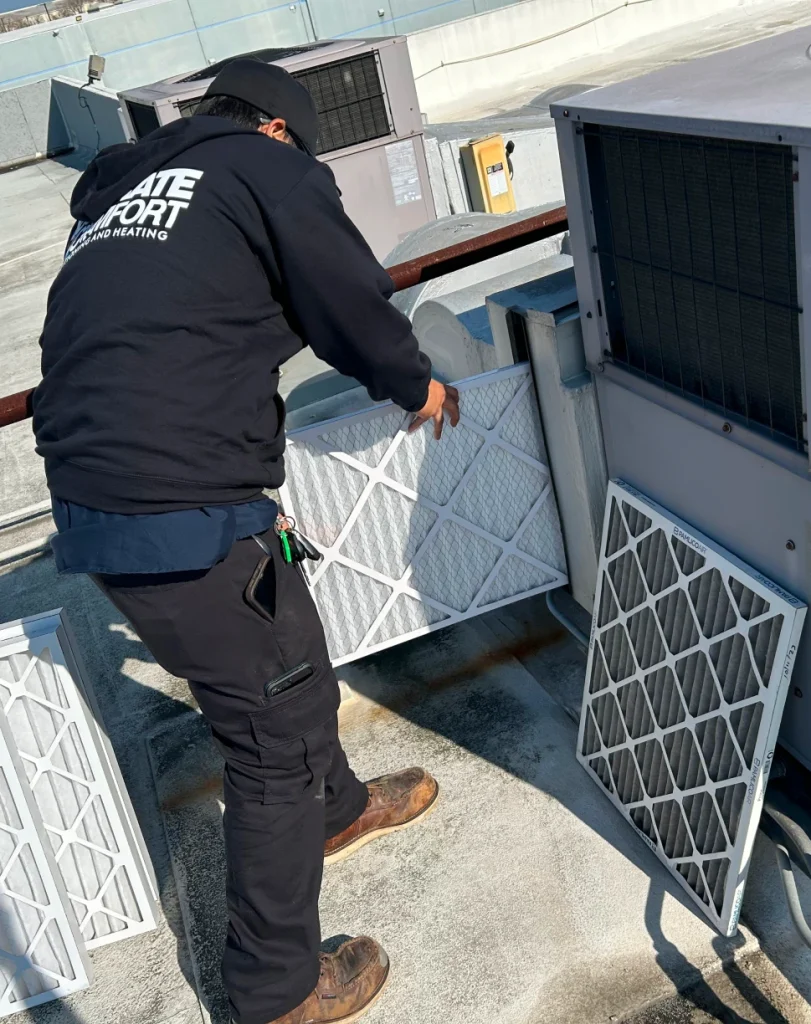
During a tune-up, a technician examines important components and checks how the system starts, runs, and shuts down. The technician may also perform appropriate cleaning and adjustments within the scope of the service.
The exact checklist varies based on:
- Equipment type
- System age
- Manufacturer recommendations
- Heating or cooling season
- Equipment accessibility
- System condition
- The service plan or tune-up package
A central air conditioner, furnace, heat pump, and ductless mini-split do not all have identical maintenance requirements. Ask what is included before scheduling so you understand the scope of the appointment.
❄️ What Is Included in an Air-Conditioning Tune-Up?
An AC tune-up prepares your cooling system for periods of heavier use. The technician evaluates how effectively the equipment removes heat and moves conditioned air through the home.
Depending on the system and service package, an air-conditioning tune-up may include:
- Inspecting or replacing the air filter
- Checking thermostat operation
- Inspecting accessible electrical connections
- Testing capacitors and contactors
- Examining the blower assembly
- Checking system airflow
- Inspecting the evaporator coil
- Inspecting and cleaning the condenser coil as appropriate
- Checking the condensate drain and drain pan
- Evaluating refrigerant-related operation
- Inspecting the outdoor fan
- Measuring temperature performance
- Testing system startup and shutdown
- Listening for unusual sounds
- Looking for visible wear or corrosion
If the technician finds a component that needs repair, the cost of that work may be separate from the tune-up. A reputable provider should explain the problem and obtain authorization before completing additional repairs.
🔥 What Is Included in a Heating Tune-Up?
A heating tune-up focuses on preparing the furnace, heat pump, or other heating equipment for cooler weather. Because heating systems vary, the inspection should reflect the type of equipment installed.
A furnace tune-up may include:
- Testing the thermostat
- Inspecting the filter
- Examining the blower
- Checking airflow
- Inspecting accessible electrical connections
- Testing system startup
- Checking safety controls
- Inspecting accessible fuel-related components when applicable
- Looking for signs of overheating or corrosion
- Listening for abnormal operating sounds
- Testing system shutdown
- Reviewing the condition of the equipment
Fuel-burning systems require particular attention to proper operation and safety controls. Homeowners should not attempt to disassemble or adjust these components without appropriate training.
🔄 How Is a Heat Pump Tune-Up Different?
A heat pump provides both heating and cooling, so it may operate during much of the year. It contains components similar to an air conditioner but can reverse the refrigerant cycle to provide heat.
A heat pump tune-up may involve:
- Testing operation in the appropriate mode
- Checking the thermostat
- Inspecting indoor and outdoor coils
- Evaluating airflow
- Inspecting electrical components
- Checking the reversing valve’s operation
- Examining the defrost system when applicable
- Checking the condensate drain
- Inspecting the outdoor fan
- Evaluating system startup and shutdown
Because heat pumps often operate during both summer and winter, twice-yearly professional maintenance is especially practical.
📅 How Often Should You Schedule a Tune-Up?
For most homes, professional HVAC maintenance should be scheduled twice a year:
- Spring: Air-conditioning or cooling maintenance
- Fall: Furnace or heating maintenance
This schedule allows each part of the system to be inspected before its busiest operating season.
A heat pump also benefits from spring and fall maintenance because it provides year-round comfort. Ductless systems may need professional service once or twice a year depending on usage, the number of indoor units, and manufacturer instructions.
More frequent filter inspections or cleaning may be appropriate in homes with:
- Pets
- Allergy concerns
- Heavy dust
- Indoor smoking
- Nearby construction
- Recent remodeling
- Frequent HVAC operation
Professional tune-ups are seasonal, but basic homeowner maintenance should continue throughout the year.
💵 How Much Does an HVAC Tune-Up Cost?
The cost of an HVAC tune-up varies. Pricing may depend on the system type, location, equipment accessibility, service scope, and whether the appointment is part of a maintenance plan.
Before booking, ask:
- What equipment does the price cover?
- Is the air filter included?
- Is coil cleaning included or priced separately?
- Are diagnostic tests included?
- Does the price cover both heating and cooling systems?
- Will you receive an inspection report?
- Are repairs or replacement parts additional?
- Does the company offer a maintenance agreement?
A very low advertised price may cover only a limited inspection. Compare the scope of service rather than choosing solely by price.
The most valuable tune-up is one that provides a careful evaluation and clear information about the equipment’s condition.
✅ Is an HVAC Tune-Up Worth the Cost?
For many homeowners, an HVAC tune-up is worth the cost because it can identify developing problems before the system stops working.
Potential benefits include:
- Improved system reliability
- Better airflow
- More consistent comfort
- Reduced risk of avoidable breakdowns
- Identification of worn components
- Cleaner heat-transfer surfaces
- More efficient operation
- Longer equipment life
- Better maintenance records
- Greater confidence before peak seasons
A tune-up cannot guarantee that a component will never fail. It also cannot restore severely deteriorated equipment to new condition. Its value comes from preventive care, early detection, and verifying that the system is operating properly.
⚡ Can a Tune-Up Lower Energy Bills?
An HVAC tune-up may help reduce avoidable energy waste when the system has restricted airflow, dirty coils, control problems, or components that are not operating correctly.
Maintenance can support efficient operation by:
- Improving airflow
- Keeping coils clean
- Confirming thermostat operation
- Identifying abnormal cycling
- Correcting certain minor operating issues
- Finding duct or filter concerns
- Reducing unnecessary system strain
The amount of potential savings varies. Equipment age, system condition, thermostat settings, insulation, ductwork, weather, and household routines all affect energy consumption.
Be cautious of anyone promising a specific percentage of savings without evaluating your system and home.
🚨 Can Maintenance Prevent HVAC Breakdowns?
No maintenance service can prevent every possible breakdown. Electrical parts can fail unexpectedly, motors can wear out, and concealed defects may not produce obvious symptoms.
However, a tune-up may reveal warning signs such as:
- Weak capacitors
- Loose electrical connections
- Dirty coils
- Restricted filters
- Drainage problems
- Unusual motor noise
- Corrosion
- Damaged wiring
- Abnormal temperature performance
- Excessive system cycling
Finding these conditions early gives you an opportunity to address them before the equipment fails during extreme weather.
Preventive service can also help you budget for future repairs instead of being surprised by a complete loss of heating or cooling.
⏳ Can Regular Tune-Ups Extend Equipment Life?
Routine maintenance may help reduce unnecessary wear and support a longer service life. A system that operates with clean coils, proper airflow, and functioning electrical components generally experiences less stress than neglected equipment.
However, equipment life is also influenced by:
- Installation quality
- System sizing
- Usage patterns
- Climate
- Manufacturing quality
- Repair history
- Duct conditions
- Thermostat habits
Maintenance is an important part of equipment care, but it cannot correct every installation defect or reverse advanced component deterioration.
📋 Can HVAC Maintenance Help with Warranty Requirements?
HVAC warranty terms vary by manufacturer. Some warranties require equipment owners to follow published maintenance requirements and maintain documentation.
Keep records such as:
- Installation documents
- Tune-up invoices
- Repair invoices
- Maintenance reports
- Model and serial numbers
- Warranty registration details
Routine maintenance does not guarantee that a claim will be approved, and not every repair is covered. Review the warranty terms for your equipment and confirm coverage before authorizing major work.
🧹 What Maintenance Can Homeowners Perform?
Homeowners can perform several basic tasks between professional appointments:
- Inspect the filter monthly
- Replace dirty filters
- Keep supply and return vents open
- Remove loose debris around outdoor equipment
- Maintain clearance around the condenser
- Check for visible water leaks
- Listen for unusual sounds
- Monitor thermostat operation
- Keep HVAC equipment accessible
These steps complement professional maintenance but do not replace electrical testing, performance measurements, or internal equipment inspections.
Avoid handling refrigerant components, opening electrical panels, or disassembling fuel-burning equipment. HVAC systems contain high voltage, moving parts, pressurized refrigerant, and potentially hazardous combustion components.
🔧 What Is the Difference Between a Tune-Up and a Repair?
A tune-up is preventive service for equipment that is generally functioning. A repair appointment addresses an existing performance problem or failure.
Schedule a repair rather than a routine tune-up if your system is:
- Blowing warm air in cooling mode
- Blowing cold air in heating mode
- Making loud grinding or banging sounds
- Leaking water
- Producing a burning odor
- Repeatedly tripping a breaker
- Turning on and off every few minutes
- Running continuously without reaching the set temperature
- Showing visible ice on the refrigerant line
- Failing to start
Tell the HVAC provider about the symptoms when scheduling. This allows the appointment to be booked appropriately and helps ensure the technician is prepared for diagnostic work.
⚠️ Warning Signs Found During a Tune-Up
A technician may identify a component that is worn but still operating. This does not always mean the part must be replaced immediately.
Ask the technician to explain:
- What was found
- How the problem was confirmed
- Whether it affects safety or performance
- How urgent the repair is
- What may happen if it is delayed
- Whether the part is covered by warranty
- What repair options are available
Clear explanations allow you to distinguish between an immediate problem, a developing concern, and an optional improvement.
🔍 How to Choose an HVAC Maintenance Provider
The quality of the service matters as much as the tune-up itself. Look for a provider that clearly explains the scope of work and communicates any findings without unnecessary pressure.
Before scheduling, consider asking:
- Is the company properly licensed and insured?
- What does the tune-up include?
- Does the technician provide a written summary?
- Are additional repairs authorized separately?
- Is the price for one system or multiple units?
- Is coil cleaning included?
- What happens if the system needs diagnostic work?
- Are maintenance plans available?
Avoid assuming that every service called a “tune-up” includes the same work. Written details make comparison easier.
📆 What Is the Best Time for an HVAC Tune-Up?
Schedule air-conditioning maintenance in spring, before cooling demand reaches its seasonal peak. Heating maintenance is generally best completed in fall, before you depend on the system during cooler weather.
Planning ahead provides time to:
- Identify developing problems
- Schedule recommended repairs
- Test the system before extreme temperatures
- Replace worn components
- Discuss efficiency or comfort concerns
- Avoid the busiest service periods
If your system has not been inspected for more than a year, scheduling service now is usually better than waiting for the ideal season.
🏠 Is a Maintenance Plan Worth Considering?
Some HVAC companies offer maintenance plans that combine seasonal tune-ups with benefits such as reminders, discounted repairs, or scheduling advantages.
Before joining a plan, review:
- The number of visits included
- The equipment covered
- The specific maintenance checklist
- The annual cost
- Renewal terms
- Repair discounts
- Cancellation terms
- Whether benefits transfer to a new homeowner
- Any exclusions or limitations
A maintenance plan may be convenient for homeowners who want consistent seasonal service. Its value depends on the included work and whether you will use the benefits.
📞 Schedule an HVAC Tune-Up in Brea
A professional tune-up is a practical way to prepare your heating and cooling equipment for periods of heavy use. It can help uncover developing issues, support efficient operation, and reduce the chance that a preventable problem will interrupt your comfort.
Accurate Comfort HVAC provides seasonal maintenance for heating and air-conditioning systems in Brea. Call 714.325.7042 to schedule an HVAC tune-up and learn what your system needs before the next peak season.