Category: professional HVAC service Brea

  • πŸ”§ What Happens During a Professional AC Maintenance Visit?

    By Accurate Comfort HVAC | Diamond Bar | 714.325.7042

    What Happens During a Professional AC Maintenance Visit?

    Your air conditioner works hard to keep your Diamond Bar home comfortable during the hottest months of the year. Over time, dust collects, electrical connections can loosen, moving parts wear down, and drainage components may become clogged. These gradual changes can reduce cooling performance and increase the risk of an unexpected breakdown.

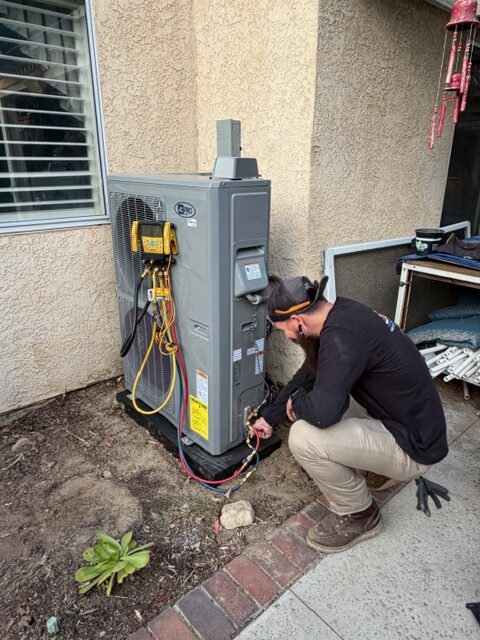
    A professional AC maintenance visit is designed to identify developing problems, improve system performance, and prepare your air conditioner for periods of heavy use. Although the exact checklist varies according to the equipment and its condition, a thorough appointment involves much more than replacing an air filter and briefly looking at the outdoor unit.

    Here is what homeowners can generally expect during a professional air-conditioning maintenance visit from Accurate Comfort HVAC. To schedule service in Diamond Bar, call 714.325.7042.

    πŸ“‹ Discussing Your Comfort Concerns

    A helpful maintenance appointment begins with a conversation about how the air conditioner has been performing.

    Your HVAC technician may ask whether you have noticed:

    • Rooms that feel warmer than others
    • Weak or inconsistent airflow
    • Unusual noises
    • Unpleasant odors
    • Longer cooling cycles
    • Frequent starting and stopping
    • Higher electricity bills
    • Water around the indoor unit
    • Thermostat problems
    • Difficulty reaching the desired temperature

    These details provide valuable clues. A problem that occurs only at a particular time of day or in one part of the home may not be immediately visible during a basic equipment inspection.

    Let the technician know about any previous repairs, recent thermostat changes, remodeling projects, or changes in energy use. The more information you provide, the easier it is to focus the inspection on conditions affecting your comfort.

    🌑️ Inspecting the Thermostat

    The thermostat tells your HVAC system when to begin and stop cooling. If it is incorrectly configured, poorly located, or failing to read the temperature accurately, the air conditioner may run too long or shut down too soon.

    During an AC tune-up, the technician may inspect the thermostat’s operation, settings, wiring, and communication with the HVAC equipment.

    The technician may also check whether the thermostat is located near anything that could distort its reading, such as:

    • Direct sunlight
    • A supply vent
    • An exterior door
    • A drafty window
    • A kitchen or appliance
    • Heat-producing electronics

    If you have a programmable or smart thermostat, the technician may review its schedule and equipment configuration. An incorrect system type or staging setting can affect comfort and efficiency.

    Thermostat replacement is not automatically necessary during maintenance. If the existing device is operating correctly and meets your needs, it may only require a minor adjustment or new batteries.

    🧹 Checking and Replacing the Air Filter

    The HVAC filter protects the system from dust, pet hair, and other airborne particles. As the filter collects debris, it becomes more difficult for air to pass through it.

    A clogged filter can contribute to:

    • Weak airflow
    • Longer cooling cycles
    • Higher energy use
    • Frozen evaporator coils
    • Excessive blower strain
    • Uneven temperatures
    • Poor cooling performance

    During maintenance, the technician will typically inspect the filter and determine whether it needs replacement. Depending on the company and service agreement, a replacement filter may be included, provided by the homeowner, or billed separately.

    The technician can also confirm that the filter is the correct size and is installed in the proper direction. Using an excessively restrictive filter may reduce airflow if the HVAC system was not designed to accommodate it.

    Homeowners should continue checking filters between professional maintenance visits. Many standard filters need replacement approximately every one to three months, depending on household conditions and system use.

    πŸ’¨ Evaluating System Airflow

    Proper airflow is essential for effective cooling. Even a mechanically sound air conditioner will struggle if it cannot move enough air through the equipment and duct system.

    The technician may evaluate airflow by checking:

    • Supply and return vents
    • Filter condition
    • Blower operation
    • Temperature differences
    • Visible duct connections
    • Evaporator coil condition
    • Signs of excessive system pressure

    Restricted airflow can cause the evaporator coil to become too cold and freeze. It can also make the HVAC system run longer, resulting in higher energy use and increased component wear.

    If significant airflow problems are discovered, the technician may recommend additional diagnostic testing. A standard maintenance visit may identify a concern, but extensive duct inspection, cleaning, sealing, or airflow balancing may require separate service.

    πŸŒ€ Inspecting the Blower Assembly

    The blower moves conditioned air through the ductwork and into your rooms. Dust buildup, motor wear, and electrical issues can reduce its performance.

    Depending on accessibility and the maintenance service being performed, the technician may inspect the blower motor, wheel, housing, and electrical connections.

    A dirty blower wheel can move less air and reduce system efficiency. A failing motor may produce weak airflow, unusual sounds, overheating, or intermittent operation.

    The technician may also look for excessive vibration or movement. These conditions can indicate an unbalanced wheel, loose mounting hardware, worn bearings, or other mechanical problems.

    Cleaning a heavily contaminated blower assembly may be recommended as a separate service if it requires substantial disassembly.

    🧊 Examining the Evaporator Coil

    The indoor evaporator coil absorbs heat from the air moving through your HVAC system. Dust and debris on this coil can interfere with heat transfer and reduce cooling performance.

    A technician may inspect the accessible portions of the coil for:

    • Dirt buildup
    • Ice
    • Corrosion
    • Refrigerant oil stains
    • Drainage problems
    • Signs of microbial growth

    Oil residue near refrigerant tubing or the coil may indicate a possible leak, although proper testing is needed to confirm it.

    If the coil is heavily dirty, professional cleaning may be recommended. Coil cleaning should be performed carefully because the metal fins are delicate and can be damaged by incorrect tools or harsh chemicals.

    A clean evaporator coil supports efficient heat transfer, proper airflow, and effective moisture removal.

    πŸ’§ Clearing and Inspecting the Condensate Drain

    As your air conditioner cools the home, moisture from indoor air condenses on the evaporator coil. That water collects in a drain pan and exits through a condensate line.

    Algae, dust, sludge, and other debris can clog the line. A blocked drain may cause water to back up around the indoor unit, potentially damaging ceilings, floors, walls, and nearby equipment.

    During professional maintenance, the technician may inspect the drain pan, drain line, and accessible connections. The service may also include clearing or flushing the condensate drain.

    The technician will look for:

    • Standing water
    • Cracks or corrosion in the drain pan
    • Loose drain connections
    • Clogged piping
    • Water stains
    • Improper drainage
    • A malfunctioning safety switch

    Some systems have a float switch designed to shut off cooling if water begins backing up. Testing this safety feature can help protect the home from water damage.

    ⚑ Testing Electrical Components

    Air conditioners rely on electrical components to start motors, power the compressor, and control system operation. Heat, vibration, age, and repeated cycling can cause connections and components to deteriorate.

    An AC maintenance visit may include inspecting or testing:

    • Electrical connections
    • Wiring
    • Capacitors
    • Contactors
    • Disconnects
    • Relays
    • Motors
    • Safety controls
    • Voltage and amperage

    A weak capacitor may allow a motor to continue running temporarily while making it harder for that motor to start. A worn contactor may show pitting or burned surfaces that affect electrical flow.

    Finding these problems during maintenance may allow you to replace a failing component before it causes a no-cooling emergency.

    Because HVAC equipment contains high voltage and capacitors can retain an electrical charge, homeowners should not attempt these tests themselves.

    🌿 Inspecting the Outdoor Condenser

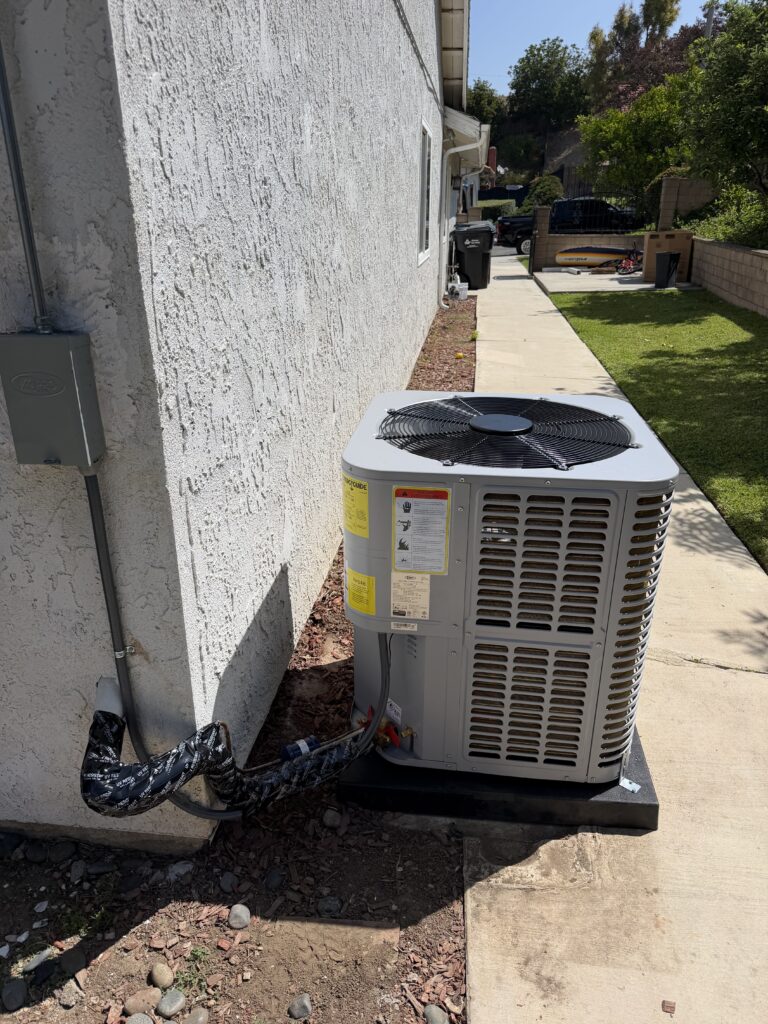
    The outdoor condenser releases the heat that the refrigerant absorbed inside your home. For it to operate efficiently, air must move freely through the outdoor coil.

    The technician will typically inspect the condenser for:

    • Leaves and landscaping debris
    • Dirt on the coil
    • Bent fins
    • Obstructed airflow
    • Loose panels
    • Damaged wiring
    • Unusual vibration
    • Oil stains
    • Fan motor problems
    • Physical damage

    Vegetation, fencing, outdoor storage, and other objects should not crowd the unit. Adequate clearance allows air to circulate and gives technicians room to service the equipment.

    If the condenser coil is dirty, cleaning it may be part of the maintenance service. Proper cleaning helps the system release heat more effectively.

    Avoid cleaning the unit with a pressure washer. High-pressure water can bend the coil fins and damage the equipment.

    πŸŒ€ Checking the Condenser Fan

    The condenser fan pulls outdoor air across the coil to help release heat. A damaged blade, weak capacitor, worn motor, or obstructed fan can reduce cooling performance and cause the outdoor unit to overheat.

    During maintenance, the technician may inspect the fan blade, motor, electrical components, and overall operation. Warning signs include unusual noises, slow startup, excessive vibration, intermittent operation, or a fan that stops while the compressor continues running.

    A condenser fan problem should be addressed promptly because inadequate heat removal can place additional stress on the compressor.

    ❄️ Evaluating Refrigerant Performance

    Your air conditioner uses refrigerant to transfer heat from inside the home to the outdoors. Refrigerant is not normally consumed during operation, so a low charge may indicate a leak or an incorrect initial charge.

    Depending on system conditions and the scope of the tune-up, a technician may evaluate temperatures and pressures to determine whether the refrigerant circuit appears to be operating correctly.

    Potential signs of a refrigerant problem include:

    • Insufficient cooling
    • Long operating cycles
    • Ice on the evaporator coil
    • Hissing or bubbling sounds
    • Higher energy use
    • Oil residue near refrigerant components

    Maintenance does not always include adding refrigerant. Refrigerant should not be added automatically without confirming that the system needs it.

    If a leak is suspected, the technician may recommend separate leak detection and repair. Simply adding refrigerant without addressing the source is not a permanent solution.

    πŸ“ Measuring the Temperature Difference

    One way technicians assess cooling performance is by comparing the temperature of air entering the HVAC system with the temperature of air leaving it.

    This measurement is often called the temperature split or temperature differential. It provides information about how effectively the system is removing heat under the current indoor and outdoor conditions.

    An unusual temperature difference can result from several causes, including low airflow, a dirty coil, refrigerant problems, duct leakage, or improper equipment operation.

    The measurement should not be evaluated in isolation. Humidity, airflow, system design, and operating conditions all affect the result. A qualified technician considers the full system rather than relying on a single number.

    πŸ”Š Listening for Unusual Operation

    Experienced HVAC technicians pay attention to how equipment sounds during startup, operation, and shutdown.

    Rattling, grinding, buzzing, squealing, or repeated clicking may reveal loose parts, motor wear, electrical trouble, or other developing problems.

    The technician may also check for excessive vibration in the indoor and outdoor equipment. Vibration can loosen connections, create noise, and contribute to premature component wear.

    Addressing an unusual sound during preventive maintenance may help you avoid a more disruptive failure later.

    πŸ§ͺ Testing the Complete Cooling Cycle

    After the inspection and service tasks are completed, the technician should operate the air conditioner and observe a cooling cycle.

    This final test can help confirm that:

    • The thermostat calls for cooling
    • Indoor and outdoor components start properly
    • The blower delivers airflow
    • The system produces cooled air
    • The condensate system drains
    • Components shut down correctly
    • No obvious operating problems remain

    Testing the full cycle is important because an individual component may look acceptable while the complete system still performs incorrectly.

    πŸ“ Reviewing Findings and Recommendations

    At the end of the visit, the technician should explain the system’s condition and identify any concerns discovered during maintenance.

    Recommendations might include:

    • Replacing a worn electrical component
    • Cleaning a heavily contaminated coil
    • Repairing a condensate drain
    • Addressing a refrigerant leak
    • Improving airflow
    • Repairing damaged ductwork
    • Relocating or replacing the thermostat
    • Monitoring an aging component
    • Considering equipment replacement

    A maintenance visit does not mean you must automatically approve every optional improvement. Ask questions about urgency, safety, cost, and the consequences of delaying a recommendation.

    A trustworthy explanation should help you distinguish between an immediate repair, a developing concern, and a future improvement.

    πŸ“… How Often Should AC Maintenance Be Scheduled?

    Most residential air conditioners benefit from professional maintenance once a year, preferably before the heaviest summer use begins.

    Spring is a convenient time to schedule service because it gives homeowners an opportunity to address problems before Diamond Bar temperatures place sustained demand on the system. However, maintenance can still provide value later in the cooling season if the annual appointment was missed.

    Heat pumps may benefit from more frequent attention because they provide both heating and cooling throughout the year.

    Your ideal service schedule may depend on equipment age, manufacturer requirements, system usage, home conditions, and any active maintenance agreement.

    βœ… Benefits of Professional AC Maintenance

    Regular maintenance can help:

    • Support dependable cooling
    • Improve system efficiency
    • Reduce unnecessary energy use
    • Identify worn components
    • Promote consistent airflow
    • Reduce the likelihood of preventable breakdowns
    • Support indoor comfort
    • Protect important HVAC components
    • Provide information for repair planning
    • Help extend useful equipment life

    Maintenance cannot guarantee that an air conditioner will never experience a failure. Components can still break unexpectedly. However, routine inspection gives you a better opportunity to find visible and measurable problems before peak summer conditions arrive.

    ☎️ Schedule AC Maintenance in Diamond Bar

    A professional AC maintenance visit includes a careful evaluation of the thermostat, filter, airflow, electrical components, refrigerant performance, coils, blower, condenser, fan, condensate drainage, and overall cooling operation.

    The result is a clearer understanding of your system’s condition and an opportunity to correct problems before they lead to greater discomfort or more expensive repairs.

    If your air conditioner is due for seasonal service, call Accurate Comfort HVAC at 714.325.7042. We provide professional AC maintenance in Diamond Bar to help homeowners prepare their cooling systems for dependable summer performance.

  • πŸ“± How Smart Thermostats Improve Summer Comfort

    By Accurate Comfort HVAC | Diamond Bar | 714.325.7042

    Keeping your Diamond Bar home comfortable throughout summer can feel like a constant balancing act. You want relief from the heat, but you also want to avoid unnecessary air-conditioning use and unexpectedly high electricity bills.

    A smart thermostat can make that balance easier. Unlike a basic thermostat that requires manual adjustments, a smart model can follow customized schedules, respond to household activity, provide remote access, and help you better understand your energy use.

    Smart thermostats do not make an inefficient air conditioner perform like new, but they can help a properly operating HVAC system run more strategically. Here is how the right thermostat can improve comfort, convenience, and energy management during the hottest months of the year.

    For help selecting and installing a compatible thermostat, call Accurate Comfort HVAC in Diamond Bar at 714.325.7042.

    🌑️ More Consistent Indoor Temperatures

    Traditional thermostats maintain a selected temperature, but they may offer limited scheduling and control features. A smart thermostat provides more options for adapting your cooling schedule to your household’s daily routine.

    You can program temperature changes based on when you:

    • Wake up
    • Leave for work or school
    • Return home
    • Prepare for bed
    • Travel
    • Work remotely
    • Spend weekends at home

    Instead of manually changing the temperature several times a day, your thermostat can make those adjustments automatically.

    For example, it may raise the temperature after everyone leaves in the morning, begin cooling the house before the first person returns, and adjust to a comfortable sleeping temperature at night.

    This type of consistent scheduling helps prevent the home from becoming unnecessarily cold while occupied or consuming energy to cool empty rooms.

    πŸ“² Control Your AC From Almost Anywhere

    One of the most convenient benefits of a Wi-Fi thermostat is remote access. After connecting the thermostat to a compatible mobile application, you can usually view and adjust the indoor temperature from a smartphone or tablet.

    Remote control is useful in many everyday situations. You can:

    • Adjust the temperature before leaving work
    • Check the home while traveling
    • Change the setting after forgetting to do so before leaving
    • Prepare the house for an early arrival
    • Monitor conditions when children or older relatives are home
    • Confirm that the AC is operating during a heat wave

    If your plans unexpectedly change, you do not have to keep cooling an empty house according to the original schedule. You can update the temperature from wherever you are and restore your preferred setting before returning.

    🧠 Learning Features Can Adapt to Your Routine

    Some smart thermostats include learning technology that observes temperature adjustments and household patterns. Over time, the device may create or recommend a cooling schedule based on your routine.

    For example, if you regularly lower the thermostat at 6:00 p.m. and raise it before leaving each morning, a learning thermostat may begin making those changes automatically.

    These features can be helpful for households with consistent schedules. However, the suggested schedule should still be reviewed periodically. Vacations, seasonal changes, remote work, school breaks, and new routines can affect when cooling is actually needed.

    A smart thermostat works best when its settings reflect how you currently use your homeβ€”not how you used it several months ago.

    πŸƒ Occupancy Detection Reduces Unnecessary Cooling

    Certain smart thermostats use motion sensors or compatible room sensors to detect household activity. When the home appears unoccupied, the thermostat may automatically switch to a more energy-conscious temperature.

    This helps solve a common problem: cooling the home all day because someone forgot to adjust the thermostat before leaving.

    Some systems can also use geofencing, which relies on smartphone location data. When designated household members leave a defined area, the thermostat can enter an away mode. When someone approaches home, it can begin restoring the preferred temperature.

    These settings are optional and should be configured around your household’s privacy preferences, schedules, and comfort requirements.

    Homes with pets should also use appropriate away temperatures. Never allow indoor temperatures to rise to unsafe levels for animals, plants, medications, or temperature-sensitive belongings.

    πŸ›‹οΈ Room Sensors Can Address Uneven Comfort

    Many homes have rooms that feel warmer than others. Sun exposure, insulation, window size, duct design, and room location can all affect temperature.

    A thermostat installed in a cool hallway may stop the AC before a sunny upstairs bedroom becomes comfortable. Conversely, a thermostat located near a warm area may cause the system to run longer than necessary.

    Compatible smart thermostat room sensors can provide additional temperature readings from selected areas. Depending on the system, you may be able to prioritize a particular room during certain hours.

    For example, the thermostat could prioritize:

    • The home office during the workday
    • The family room in the evening
    • A child’s bedroom overnight
    • The primary bedroom during sleeping hours

    Room sensors can improve temperature awareness, but they do not independently control airflow unless the home also has a compatible zoning system. Persistent hot and cold spots may require an HVAC inspection to check the ductwork, insulation, airflow, or equipment sizing.

    πŸ’° Better Insight Into Cooling Energy Use

    It can be difficult to improve energy habits when you cannot see how temperature choices affect AC operation. Many smart thermostats offer energy reports that show cooling patterns over time.

    Depending on the model, reports may display:

    • Daily or weekly equipment runtime
    • Temperature changes
    • Comparisons with previous periods
    • Weather-related cooling demand
    • Time spent in energy-saving modes
    • Suggestions for reducing runtime
    • Unusual increases in system operation

    These insights may reveal that the AC runs significantly longer on certain afternoons or that a small thermostat adjustment leads to meaningful reductions in runtime.

    Energy reports can also help you notice developing HVAC problems. If cooling runtime increases sharply without a corresponding change in weather or thermostat settings, the system may need maintenance or repair.

    πŸ—“οΈ Automated Scheduling Supports Energy Savings

    A basic programmable thermostat can follow a schedule, but many homeowners find traditional programming menus difficult to use. Smart thermostat applications often make schedules easier to create, review, and update.

    A typical summer schedule might use:

    • A comfortable setting in the morning
    • A higher temperature during work or school hours
    • Pre-cooling shortly before occupants return
    • A comfortable evening setting
    • A customized sleeping temperature

    The thermostat should not be programmed to make extreme changes that compromise safety or comfort. Instead, use moderate adjustments that reduce unnecessary cooling while the home is empty.

    The most effective schedule is not necessarily the most aggressive one. It is a schedule your household can maintain consistently.

    🌀️ Weather-Based Adjustments Provide Smarter Control

    Some smart thermostats use local weather information to help manage indoor cooling. The thermostat may recognize changing outdoor conditions and adjust recovery times accordingly.

    On an extremely hot afternoon, the home may need more time to reach your preferred temperature. A smart thermostat can begin cooling earlier instead of waiting until the exact scheduled time.

    During a milder day, it may delay or reduce cooling because the home does not require as much conditioning.

    These adjustments can help maintain comfort more consistently without requiring you to monitor the outdoor temperature throughout the day.

    🧊 Pre-Cooling Can Improve Peak-Hour Comfort

    Pre-cooling involves lowering the indoor temperature slightly before the hottest part of the day or before a period of greater energy demand. The thermostat can then allow the temperature to rise gradually while maintaining reasonable comfort.

    This strategy may be useful when:

    • Your electricity plan uses time-of-use rates
    • Afternoon sun creates a heavy cooling load
    • Your home retains cooled air effectively
    • You want to reduce AC operation during peak hours

    Pre-cooling must be used carefully. Setting the thermostat excessively low may increase energy use instead of reducing it. The strategy works best in well-insulated homes and should be customized to the building, rate plan, and household preferences.

    A qualified HVAC professional can help you determine whether pre-cooling makes sense for your home.

    πŸ”” Maintenance Alerts Help Protect Your HVAC System

    A smart thermostat may provide reminders and alerts related to HVAC operation. These notifications can help you respond to issues before they cause extended discomfort.

    Available alerts vary by model but may include:

    • Air-filter replacement reminders
    • Unusual indoor temperature warnings
    • High or low humidity notifications
    • Extended AC runtime alerts
    • Equipment service reminders
    • Loss of Wi-Fi connection
    • Unexpected system shutdowns

    For example, if the indoor temperature continues rising while the thermostat is calling for cooling, the device may notify you that the system is not performing as expected.

    These alerts do not replace professional diagnosis. However, they may provide an early warning that it is time to call Accurate Comfort HVAC at 714.325.7042.

    πŸ’§ Improved Humidity Awareness

    Temperature is only one part of summer comfort. Excessive humidity can make indoor air feel warmer and heavier, while very dry air may cause other comfort concerns.

    Many smart thermostats display indoor humidity. Some can work with compatible HVAC equipment, whole-home dehumidifiers, or variable-speed systems to provide enhanced moisture control.

    Monitoring humidity can help explain why a home feels uncomfortable even when the temperature appears reasonable.

    If your home consistently feels humid, the problem may involve:

    • An oversized air conditioner
    • Short cooling cycles
    • Poor system airflow
    • Dirty HVAC components
    • Drainage problems
    • Air leaks
    • Inadequate ventilation

    Lowering the thermostat is not always the best solution. An HVAC inspection can determine whether the system is cooling and removing moisture correctly.

    πŸ”Œ Smart Thermostats Require HVAC Compatibility

    Not every smart thermostat works with every heating and cooling system. Compatibility depends on equipment type, voltage, wiring, and available control terminals.

    Many smart thermostats require a C-wire, also called a common wire, to provide continuous power. Some devices can operate without one, while others use adapters or alternative power arrangements.

    Systems that may require special attention include:

    • Heat pumps
    • Multi-stage equipment
    • Variable-speed systems
    • Zoned HVAC systems
    • Dual-fuel systems
    • Communicating equipment
    • Homes with limited thermostat wiring

    Installing an incompatible thermostat can cause unreliable operation, short cycling, wiring damage, or loss of important equipment features.

    Professional smart thermostat installation helps ensure that the model is compatible, connected correctly, and configured for your specific HVAC system.

    βš™οΈ Correct Installation and Setup Matter

    Purchasing a smart thermostat is only the first step. Proper setup determines whether its comfort and energy features work as intended.

    Important installation and configuration details include:

    • Correct wire identification
    • Appropriate equipment type
    • Number of heating and cooling stages
    • Heat-pump reversing valve settings
    • Temperature differential settings
    • Fan control
    • Wi-Fi configuration
    • Schedule creation
    • Sensor placement
    • Safety temperature limits

    Incorrect equipment settings can cause inefficient operation or prevent parts of the HVAC system from functioning correctly.

    Accurate Comfort HVAC can install and configure your thermostat so it communicates properly with your heating and cooling equipment.

    πŸ› οΈ A Smart Thermostat Cannot Fix a Failing AC

    A smart thermostat can improve control, but it cannot correct mechanical problems.

    If your air conditioner has a clogged filter, low refrigerant, failing capacitor, dirty coil, duct leakage, or weak blower motor, replacing the thermostat will not restore normal performance.

    Schedule professional service if you notice:

    • Warm air from the vents
    • Weak or inconsistent airflow
    • Unusually long cooling cycles
    • Frequent starting and stopping
    • Rooms that never become comfortable
    • Ice on the refrigerant lines
    • Unexpectedly high energy bills
    • A thermostat that calls for cooling without an AC response

    The HVAC system should be inspected before assuming that the thermostat is responsible for every comfort problem.

    ☎️ Upgrade Your Summer Comfort With Accurate Comfort HVAC

    A smart thermostat can provide more consistent temperatures, convenient remote access, customized schedules, useful energy reports, maintenance alerts, and better awareness of indoor humidity.

    The best results come from choosing a thermostat that is compatible with your equipment and configuring it around your household’s actual routine.

    If you are considering a smart thermostat for your Diamond Bar home, contact Accurate Comfort HVAC at 714.325.7042. We can help you select a compatible model, install it correctly, and make sure your cooling system is ready to provide dependable summer comfort.

  • 🌑️ Best Thermostat Settings for Summer Energy Savings

    By Accurate Comfort HVAC | Diamond Bar | 714.325.7042

    Best Thermostat Settings for Summer Energy Savings

    During a hot summer in Diamond Bar, your air conditioner may become one of the largest energy users in your home. Setting the thermostat too low can increase electricity consumption, place unnecessary strain on your cooling equipment, and lead to higher monthly utility bills. Setting it too high, however, can leave your home feeling uncomfortable.

    The goal is to find a temperature that balances summer energy savings, indoor comfort, and healthy air-conditioning performance. Although no single setting is perfect for every household, a few practical guidelines can help you reduce cooling costs without turning your home into a sauna.

    If your air conditioner struggles to maintain a reasonable temperature or your energy bills are unexpectedly high, call Accurate Comfort HVAC at 714.325.7042 for professional HVAC service in Diamond Bar.

    β˜€οΈ What Is the Best Thermostat Setting for Summer?

    For many households, a thermostat setting around 78 degrees while people are home provides a useful starting point for balancing comfort and efficiency.

    That does not mean every homeowner must keep the thermostat at exactly 78 degrees. Comfort depends on several factors, including:

    • Indoor humidity
    • Home insulation
    • Sun exposure
    • Ceiling height
    • Air circulation
    • Personal temperature preferences
    • The age and condition of the AC system

    If 78 degrees feels too warm, begin at a lower temperature and increase the setting by one degree at a time. Allow your household a few days to adjust before raising it again.

    Even a small thermostat adjustment may reduce the amount of time your air conditioner runs. The closer the indoor temperature is to the outdoor temperature, the less heat your cooling system must remove.

    🏠 Recommended Setting When You Are Home

    When your family is home and active, aim for the highest temperature that remains reasonably comfortable. For many Diamond Bar homeowners, that may be between 76 and 78 degrees.

    You can make a warmer thermostat setting feel more comfortable by using ceiling fans, closing blinds during the brightest part of the day, and reducing indoor heat sources.

    Avoid setting the thermostat extremely low because the house feels hot. Setting it to 65 degrees will not make most central air conditioners cool the home faster. It simply tells the system to continue operating until it reaches an unnecessarily low target.

    A moderate, consistent setting usually delivers better comfort and efficiency than repeatedly making dramatic temperature changes.

    πŸšͺ Best Temperature When Nobody Is Home

    When the house will be empty for several hours, raise the thermostat by approximately 7 to 10 degrees from your normal occupied setting.

    For example, if you keep the home at 77 degrees while occupied, you might raise the setting to between 84 and 87 degrees while everyone is at work or school.

    You do not necessarily need to turn the AC off completely. Maintaining a controlled indoor temperature can help protect pets, electronics, plants, wood furnishings, and other temperature-sensitive belongings. It also helps manage humidity.

    A programmable or smart thermostat can automatically raise the temperature after you leave and begin cooling the home shortly before you return.

    πŸŒ™ Best Thermostat Setting for Sleeping

    Many people prefer a cooler bedroom at night. A setting between 72 and 76 degrees may be comfortable, depending on bedding, airflow, humidity, and personal preferences.

    If lowering the thermostat significantly every night causes a sharp increase in energy use, try these alternatives:

    • Run a ceiling or portable fan
    • Use lightweight, breathable bedding
    • Close curtains before afternoon heat enters the room
    • Keep bedroom supply vents open
    • Seal air leaks around windows and doors
    • Use the thermostat’s sleep schedule

    A ceiling fan can make occupants feel cooler without actually lowering the room temperature. This may allow you to raise the thermostat a few degrees while remaining comfortable.

    Remember to turn fans off when rooms are empty. Fans cool people through air movement; they do not lower the actual temperature of an unoccupied room.

    πŸ“… Create an Energy-Saving Cooling Schedule

    An effective summer thermostat schedule adjusts temperatures according to when the household is active, sleeping, or away.

    A sample weekday schedule could look like this:

    • 6:00 a.m.: Set the temperature to 76 degrees as the household wakes up.
    • 8:00 a.m.: Raise it to 84 degrees after everyone leaves.
    • 4:00 p.m.: Begin cooling the home before occupants return.
    • 6:00 p.m.: Maintain approximately 76 to 78 degrees.
    • 10:00 p.m.: Adjust to the household’s preferred sleeping temperature.

    Treat this as a starting point, not a rigid rule. Families with young children, older adults, pets, medical needs, or unusual work schedules may need different temperatures.

    The most efficient schedule is one that reflects how your household actually uses the home.

    πŸ“± How a Smart Thermostat Can Help

    A smart thermostat can simplify summer energy management by learning household routines and making automatic temperature adjustments.

    Depending on the model, smart thermostats may offer:

    • Remote control through a mobile app
    • Custom cooling schedules
    • Energy-use reports
    • Maintenance reminders
    • Geofencing based on your location
    • Occupancy sensing
    • Weather-responsive adjustments
    • Alerts for unusual temperature changes

    Remote access is especially helpful when travel plans change. Instead of cooling an empty house all day, you can adjust the setting from your phone and restore your preferred temperature before arriving home.

    Not every smart thermostat is compatible with every HVAC system. Some models require a common wire, also known as a C-wire, or specific wiring configurations. Before purchasing one, confirm that it will work with your equipment.

    For thermostat selection and professional installation, contact Accurate Comfort HVAC at 714.325.7042.

    πŸ”„ Avoid Constant Thermostat Adjustments

    Frequently changing the thermostat can lead to longer operating periods and inconsistent comfort. It may also make it difficult to determine whether the cooling system is operating correctly.

    Choose a reasonable setting and give the air conditioner time to work. On particularly hot afternoons, the system may need an extended cooling cycle to maintain the selected temperature.

    If the house feels warm, lowering the thermostat several degrees will not produce colder air or speed up the equipment. Most residential systems cool at a relatively consistent rate.

    Use programmed temperature changes based on your routine instead of adjusting the thermostat every time you feel slightly warm.

    πŸ’¨ Use Ceiling Fans to Improve Comfort

    Ceiling fans are a valuable companion to air conditioning. The moving air helps moisture evaporate from the skin, making a room feel cooler.

    During summer, most ceiling fans should rotate counterclockwise when viewed from below. This direction pushes air downward and creates a cooling breeze.

    Because fans improve how the room feels rather than changing its temperature, they can help you remain comfortable at a higher thermostat setting. Raising the setting by even a few degrees may reduce AC runtime.

    Turn fans off when leaving a room so they do not consume electricity unnecessarily.

    πŸͺŸ Reduce Heat Before It Enters Your Home

    Thermostat settings are only one part of summer energy savings. Reducing the amount of heat entering your home can make it easier for the air conditioner to maintain comfort.

    Helpful strategies include:

    • Closing blinds and curtains during direct sunlight
    • Installing effective window coverings
    • Sealing gaps around windows and exterior doors
    • Improving attic insulation
    • Using bathroom and kitchen exhaust fans appropriately
    • Limiting oven use during the hottest hours
    • Switching off unnecessary lights and electronics
    • Keeping exterior doors closed

    West-facing windows can introduce substantial afternoon heat. Closing blinds before direct sunlight reaches those windows may reduce indoor heat buildup and help the AC operate more efficiently.

    🧹 Replace the HVAC Filter Regularly

    A dirty air filter restricts airflow and forces the blower to work harder. Reduced airflow can lower cooling performance, increase energy consumption, and contribute to frozen evaporator coils.

    Check the filter monthly during the summer cooling season. Many filters should be replaced every one to three months, although homes with pets, allergy concerns, or heavy dust may require more frequent replacement.

    Do not automatically choose the most restrictive filter available. An overly restrictive filter may interfere with airflow if the HVAC system was not designed for it. Use a filter that matches the equipment manufacturer’s recommendations or ask an HVAC professional for guidance.

    Proper airflow allows your system to cool the home more effectively at your preferred thermostat setting.

    πŸ“ Make Sure the Thermostat Is in the Right Location

    Thermostat placement can significantly affect temperature readings. A thermostat installed in an unsuitable area may cause the AC to run too long or shut off before the home is comfortable.

    A thermostat should generally be located on an interior wall in a regularly used part of the home. It should be kept away from:

    • Direct sunlight
    • Exterior doors
    • Drafty windows
    • Supply vents
    • Kitchens
    • Heat-producing appliances
    • Lamps and electronics
    • Unusually warm or cold rooms

    For example, direct afternoon sunlight may cause the thermostat to register a temperature that is warmer than the rest of the home. The air conditioner may then continue operating even though other rooms are already comfortable.

    If you suspect that thermostat placement is affecting your cooling system, Accurate Comfort HVAC can evaluate its location and recommend a solution.

    πŸ’§ Manage Indoor Humidity for Better Comfort

    Temperature is only one factor in summer comfort. High indoor humidity can make a room feel warmer and stickier, even when the thermostat displays a reasonable temperature.

    A properly operating air conditioner removes some moisture from the air as it cools. However, oversized equipment, short cooling cycles, airflow problems, or mechanical issues may reduce dehumidification.

    If your home feels humid, avoid immediately lowering the thermostat several degrees. Have the system inspected to determine whether it is operating and draining correctly.

    Better humidity control may allow you to remain comfortable at a higher temperature, supporting both comfort and AC energy efficiency.

    πŸ› οΈ Maintenance Supports Energy-Efficient Cooling

    Even the perfect thermostat schedule cannot compensate for an air conditioner that is dirty, worn, or malfunctioning.

    Professional AC maintenance can help identify issues that increase energy consumption. Depending on the system and service performed, a technician may inspect:

    • Electrical connections
    • Capacitors and contactors
    • Refrigerant performance
    • Evaporator and condenser coils
    • Blower operation
    • Condensate drainage
    • Thermostat calibration
    • Temperature differences
    • Overall system airflow

    A well-maintained system is better equipped to maintain comfortable indoor temperatures without running longer than necessary.

    If your AC operates continuously, produces weak airflow, makes unusual noises, or cannot reach the thermostat setting, schedule service rather than compensating by lowering the temperature further.

    ⚠️ Watch for Signs of an AC Problem

    A high utility bill is not always caused by the thermostat. Mechanical and airflow problems can make the system consume more electricity while delivering less cooling.

    Contact an HVAC technician if you notice:

    • The AC runs almost constantly
    • Indoor temperatures do not match the thermostat
    • Some rooms remain significantly warmer
    • Airflow from the vents is weak
    • The system starts and stops frequently
    • Ice forms on the refrigerant lines
    • Energy use increases without a clear explanation
    • The thermostat screen goes blank or behaves erratically

    Prompt service can prevent a minor performance issue from becoming a more serious repair.

    ☎️ Improve Summer Comfort With Accurate Comfort HVAC

    The best summer thermostat setting is the highest temperature that keeps your household safely and reasonably comfortable. Start near 78 degrees while home, increase the setting when the house is empty, and use a programmable schedule to avoid unnecessary cooling.

    Ceiling fans, closed window coverings, clean filters, proper insulation, and routine HVAC maintenance can make energy-saving thermostat settings much more comfortable.

    If your air conditioner cannot maintain your chosen temperatureβ€”or you want help upgrading to a programmable or smart thermostatβ€”call Accurate Comfort HVAC in Diamond Bar at 714.325.7042. Our team can inspect your cooling system, identify efficiency problems, and help you create a more comfortable and energy-conscious home.

  • ❄️ Why Your Air Conditioner Isn’t Cooling Like It Used To

    By Accurate Comfort HVAC | Diamond Bar | 714.325.7042

    Why Your Air Conditioner Isn’t Cooling Like It Used To

    Has your air conditioner seemed less effective lately? If your home takes longer to cool, rooms feel warmer than usual, or your utility bills keep increasing, your HVAC system may be losing efficiency.

    Understanding the most common reasons an air conditioner stops cooling effectively can help homeowners address problems early and avoid costly breakdowns during the hottest months of the year.

    🌑️ Dirty Air Filters Restrict Airflow

    A dirty filter is one of the most common causes of poor cooling performance.

    When airflow is restricted:

    • Cooling capacity decreases
    • Energy consumption rises
    • Components work harder
    • Comfort levels drop

    Replacing filters regularly is one of the easiest ways to improve performance.

    🌬️ Dirty Evaporator Coils

    Evaporator coils absorb heat from your indoor air.

    Over time, dust and debris can accumulate on the coils, reducing their ability to transfer heat efficiently.

    This often results in:

    • Longer cooling cycles
    • Higher energy bills
    • Reduced comfort

    Professional cleaning can restore efficiency.

    ❄️ Refrigerant Problems

    Your air conditioner relies on refrigerant to cool your home.

    Low refrigerant levels may cause:

    • Warm air from vents
    • Ice buildup
    • Constant runtime
    • Reduced cooling performance

    Refrigerant issues should always be addressed by a qualified HVAC technician.

    🌿 Dirty Condenser Coils

    The outdoor condenser unit releases heat removed from your home.

    When coils become dirty:

    • Heat transfer decreases
    • Efficiency drops
    • Cooling capacity suffers

    Regular maintenance helps keep condenser coils clean and functioning properly.

    🏠 Air Leaks Throughout the Home

    Sometimes the HVAC system isn’t the problem.

    Air leaks around:

    • Windows
    • Doors
    • Attic access points
    • Utility penetrations

    allow conditioned air to escape and hot outdoor air to enter.

    Sealing leaks can significantly improve cooling performance.

    πŸ“± Thermostat Issues

    A malfunctioning thermostat can create cooling problems.

    Common issues include:

    • Inaccurate temperature readings
    • Faulty sensors
    • Poor thermostat placement

    Upgrading to a modern smart thermostat may improve both comfort and efficiency.

    ⏳ Aging Equipment

    As HVAC systems age, cooling performance naturally declines.

    Older systems often:

    • Run longer
    • Consume more electricity
    • Require more repairs

    If your system is more than 10–15 years old, an efficiency evaluation may be worthwhile.

    🚨 Warning Signs You Need Service

    Contact an HVAC professional if you notice:

    • Warm air coming from vents
    • Weak airflow
    • Unusual noises
    • Constant cycling
    • High energy bills
    • Uneven temperatures

    Prompt service often prevents more extensive repairs.

    πŸ”§ How Maintenance Helps Restore Cooling Performance

    Routine maintenance can:

    • Improve airflow
    • Clean critical components
    • Verify refrigerant levels
    • Optimize system operation

    Many cooling issues can be corrected through professional service and preventive maintenance.

    ☎️ Accurate Comfort HVAC Can Help

    If your air conditioner isn’t cooling like it used to, don’t wait for the problem to get worse.

    Accurate Comfort HVAC provides expert diagnostics, maintenance, repairs, and system evaluations for homeowners throughout Diamond Bar.

    Call Accurate Comfort HVAC

    πŸ“ž 714.325.7042

    We’ll help restore comfort, improve efficiency, and keep your home cool all summer long.

  • 🌑️ Why Your HVAC System Struggles During Heat Waves

    By Accurate Comfort HVAC | Diamond Bar | 714.325.7042

    Why Your HVAC System Struggles During Heat Waves

    When temperatures soar during a Diamond Bar heat wave, many homeowners notice their air conditioner running longer than usual. Some even worry that their HVAC system is failing because it can’t seem to keep up.

    The truth is that extreme heat places extraordinary demands on cooling systems. Understanding why your HVAC system struggles during heat waves can help you improve efficiency, reduce stress on equipment, and maintain a more comfortable home.

    β˜€οΈ Heat Waves Push HVAC Systems to Their Limits

    Most residential air conditioners are designed to maintain indoor comfort based on average seasonal temperatures.

    During a heat wave:

    • Outdoor temperatures climb significantly above normal
    • Heat enters the home faster
    • Cooling demand increases dramatically
    • HVAC systems run longer cycles

    This doesn’t necessarily mean something is wrongβ€”it often means your system is working exactly as designed.

    🏠 Your Home Gains Heat Faster Than Normal

    During extreme temperatures, heat enters through:

    Windows

    Direct sunlight can rapidly increase indoor temperatures.

    Doors

    Frequent opening and closing allows hot air inside.

    Attics

    Attic temperatures can exceed 140Β°F during severe heat waves.

    Walls and Roofs

    Building materials absorb and transfer heat into living spaces.

    The more heat entering your home, the harder your HVAC system must work.

    🌬️ Restricted Airflow Makes Things Worse

    Heat waves expose existing airflow problems.

    Common causes include:

    • Dirty air filters
    • Blocked vents
    • Dirty coils
    • Duct restrictions

    Restricted airflow reduces cooling performance and forces longer operating cycles.

    ❄️ Low Refrigerant Levels Reduce Cooling Capacity

    Your air conditioner depends on refrigerant to remove heat.

    If refrigerant levels are low:

    • Cooling efficiency drops
    • Indoor temperatures rise
    • Runtime increases

    Heat waves often make refrigerant issues more noticeable because systems are operating continuously.

    🌑️ Poor Thermostat Practices Increase Strain

    Many homeowners respond to extreme heat by dramatically lowering thermostat settings.

    Unfortunately, setting the thermostat to 68Β°F instead of 78Β°F does not cool the home faster.

    Instead, it:

    • Increases runtime
    • Raises energy costs
    • Adds stress to the equipment

    Maintaining realistic temperature settings helps improve efficiency.

    🏠 Poor Insulation Increases Cooling Demand

    Homes with inadequate insulation struggle during heat waves.

    Signs include:

    • Hot upstairs rooms
    • Uneven temperatures
    • Excessive HVAC runtime
    • High energy bills

    Proper insulation helps keep conditioned air inside and outdoor heat outside.

    πŸ’° Why Energy Bills Spike During Heat Waves

    Longer cooling cycles naturally increase energy consumption.

    Additional contributors include:

    • Dirty filters
    • Poor airflow
    • Air leaks
    • Aging HVAC equipment

    Improving efficiency before summer arrives can help control seasonal utility costs.

    πŸ”§ How to Help Your HVAC System During a Heat Wave

    Replace Air Filters

    Clean filters support proper airflow.

    Keep Blinds Closed

    Reduce solar heat gain during the hottest hours.

    Use Ceiling Fans

    Improve comfort without lowering thermostat settings.

    Avoid Heat-Producing Appliances

    Limit oven use and other heat-generating activities during the afternoon.

    Schedule Preventive Maintenance

    Professional service helps ensure peak performance when temperatures rise.

    🚨 Signs You Need Professional HVAC Service

    Contact a technician if you notice:

    • Warm air from vents
    • Weak airflow
    • Frequent cycling
    • Ice buildup
    • Unusual noises
    • Constant operation without cooling

    Early diagnosis can prevent major repairs during peak summer demand.

    ☎️ Accurate Comfort HVAC Is Ready to Help

    Heat waves are tough on every cooling system, but proper maintenance and prompt repairs can help your HVAC system perform at its best.

    Call Accurate Comfort HVAC Today

    πŸ“ž 714.325.7042

    Serving Diamond Bar homeowners with expert HVAC maintenance, repairs, system evaluations, and energy-saving solutions.

  • 🌑️ What Temperature Should You Set Your Thermostat to During Summer?

    By Accurate Comfort HVAC | Diamond Bar | 714.325.7042

    What Temperature Should You Set Your Thermostat to During Summer?

    One of the most common questions homeowners ask during the summer is: “What temperature should I set my thermostat to?”

    Set it too high and your family may be uncomfortable. Set it too low and your energy bills can quickly skyrocket. Finding the right balance is essential for maintaining comfort while keeping cooling costs under control.

    For Diamond Bar homeowners, understanding how thermostat settings affect HVAC performance can lead to substantial savings throughout the summer season.

    🌞 Why Thermostat Settings Matter

    Your thermostat controls how often and how long your air conditioner operates.

    Every degree you lower the temperature can increase:

    • Cooling runtime
    • Energy consumption
    • Equipment wear
    • Monthly utility costs

    A properly adjusted thermostat helps your HVAC system cool efficiently while minimizing unnecessary strain.

    🏠 Recommended Temperature When You’re Home

    Many energy experts recommend:

    βœ”οΈ 78Β°F While Home

    This setting typically offers:

    • Comfortable indoor conditions
    • Good humidity control
    • Improved energy efficiency
    • Lower utility bills

    For many families, 78Β°F provides an ideal balance between comfort and savings.

    πŸš— Recommended Temperature When You’re Away

    When nobody is home, there’s no reason to cool the house as aggressively.

    βœ”οΈ 85Β°F While Away

    Benefits include:

    • Reduced cooling costs
    • Less HVAC runtime
    • Lower energy consumption

    Smart thermostats make these adjustments automatically.

    πŸŒ™ Best Temperature for Sleeping

    Everyone’s comfort preferences are different.

    Many homeowners prefer:

    βœ”οΈ 74Β°F–78Β°F While Sleeping

    The goal is maintaining comfort without forcing the HVAC system to run excessively overnight.

    Programmable thermostats can automatically adjust temperatures at bedtime.

    πŸ’° How Much Can You Save?

    Even small temperature changes can make a difference.

    Benefits of higher thermostat settings may include:

    • Lower monthly utility bills
    • Reduced system wear
    • Improved HVAC lifespan
    • Better overall efficiency

    Over the course of an entire summer, those savings can add up significantly.

    ❌ Common Thermostat Mistakes

    Setting Temperatures Extremely Low

    Many people believe setting the thermostat to 68Β°F cools the home faster.

    In reality:

    • Air conditioners cool at a fixed rate
    • Lower settings simply extend runtime
    • Energy consumption increases dramatically

    Constantly Adjusting the Thermostat

    Frequent changes can reduce efficiency and create inconsistent comfort.

    Ignoring Smart Features

    Modern thermostats can automate temperature management and maximize savings.

    πŸ“± Benefits of Smart Thermostats

    Smart thermostats help homeowners optimize HVAC efficiency.

    Features often include:

    • Automated scheduling
    • Mobile app control
    • Energy usage reports
    • Occupancy detection
    • Learning capabilities

    Many homeowners experience noticeable savings after upgrading.

    🌬️ Use Ceiling Fans to Enhance Comfort

    Ceiling fans help distribute cooled air more effectively.

    When used properly:

    • Rooms feel cooler
    • Thermostat settings can remain higher
    • HVAC runtime decreases

    Set fans to rotate counterclockwise during summer months.

    🏠 Additional Ways to Support Your Thermostat Settings

    Improve cooling efficiency by:

    Closing Blinds

    Reduce solar heat gain during the afternoon.

    Sealing Air Leaks

    Prevent conditioned air from escaping.

    Replacing Filters

    Improve airflow and cooling performance.

    Scheduling Maintenance

    Keep the system operating efficiently.

    These improvements help your thermostat work more effectively.

    ☎️ Accurate Comfort HVAC Can Help Lower Cooling Costs

    If your HVAC system struggles to maintain comfortable temperatures, it may be time for professional service.

    Accurate Comfort HVAC provides expert maintenance, thermostat upgrades, repairs, and energy-efficiency evaluations for homeowners throughout Diamond Bar.

    Call Accurate Comfort HVAC Today

    πŸ“ž 714.325.7042

    We’ll help you stay comfortable while keeping your cooling costs under control all summer long.

  • ❄️ How Dirty HVAC Coils Can Increase Your Summer Energy Bills

    By Accurate Comfort HVAC | Diamond Bar | 714.325.7042

    How Dirty HVAC Coils Can Increase Your Summer Energy Bills

    Many homeowners know they should replace air filters regularly, but few realize that dirty HVAC coils can have an even bigger impact on cooling performance and energy efficiency.

    When evaporator and condenser coils become coated with dirt and debris, your air conditioner must work significantly harder to cool your home. The result is higher utility bills, reduced comfort, and increased wear on the entire system.

    Let’s take a closer look at why coil maintenance is so important during the summer months.

    πŸ”§ What HVAC Coils Do

    Your cooling system contains two primary coils:

    Evaporator Coils

    Located inside the home, evaporator coils absorb heat from indoor air.

    Condenser Coils

    Located in the outdoor unit, condenser coils release that heat outside.

    Together, these components perform the heat transfer process that cools your home.

    🌬️ How Dirt Affects Evaporator Coils

    When dirt accumulates on evaporator coils:

    • Heat transfer becomes less efficient
    • Cooling capacity decreases
    • Airflow may be restricted
    • Energy consumption rises

    Your HVAC system must run longer to achieve the same cooling results.

    β˜€οΈ How Dirty Condenser Coils Affect Cooling

    Outdoor condenser coils are constantly exposed to:

    • Dust
    • Dirt
    • Leaves
    • Grass clippings
    • Debris

    Dirty condenser coils make it harder to release heat outdoors.

    As a result:

    • Cooling efficiency drops
    • Runtime increases
    • Utility bills rise

    Summer conditions often make these problems worse.

    πŸ’° The Cost of Dirty Coils

    Even a small amount of dirt can reduce efficiency.

    Potential consequences include:

    Higher Energy Bills

    Longer cooling cycles consume more electricity.

    Reduced Comfort

    Your home may feel warmer despite continuous operation.

    Increased Equipment Wear

    The compressor and other components experience additional strain.

    More Frequent Repairs

    Neglected systems are more likely to develop mechanical issues.

    🚨 Warning Signs of Dirty Coils

    You may notice:

    • Rising utility bills
    • Weak cooling performance
    • Longer cooling cycles
    • Constant system operation
    • Warm air from vents

    Professional inspection can determine whether coil cleaning is needed.

    🧹 Why DIY Cleaning Isn’t Always Enough

    While homeowners can remove debris around outdoor units, coil cleaning often requires specialized equipment and techniques.

    Improper cleaning can:

    • Damage delicate fins
    • Reduce airflow
    • Cause additional problems

    Professional maintenance helps ensure coils are cleaned safely and effectively.

    πŸ”§ Benefits of Professional Coil Cleaning

    Improved Efficiency

    Clean coils transfer heat more effectively.

    Lower Cooling Costs

    Reduced runtime lowers electricity consumption.

    Better Comfort

    The system cools more quickly and consistently.

    Longer Equipment Life

    Components experience less strain during operation.

    πŸ“… How Often Should Coils Be Inspected?

    Most HVAC professionals recommend annual inspections.

    Homes with:

    • Pets
    • Heavy landscaping
    • Dusty environments

    may benefit from more frequent evaluations.

    Routine maintenance helps catch buildup before it affects performance.

    🌞 Don’t Let Dirty Coils Cost You Money

    Dirty coils are one of the most common causes of declining HVAC efficiency during summer.

    Fortunately, regular maintenance can keep your system operating at peak performance while helping reduce energy costs and repair risks.

    ☎️ Schedule HVAC Maintenance Today

    Accurate Comfort HVAC provides professional inspections, tune-ups, and coil cleaning services for homeowners throughout Diamond Bar.

    Call Accurate Comfort HVAC

    πŸ“ž 714.325.7042

    We’ll help your HVAC system stay efficient, reliable, and ready for the hottest days of the year.

  • 🌴 How to Reduce Summer HVAC Wear and Tear

    By Accurate Comfort HVAC | Diamond Bar | 714.325.7042

    How to Reduce Summer HVAC Wear and Tear

    Your air conditioning system works harder during the summer than at any other time of year. With Diamond Bar temperatures climbing into the high 80s and 90s, your HVAC unit may run for hours every day just to keep your home comfortable.

    While some wear and tear is unavoidable, there are several steps homeowners can take to reduce strain on their cooling system, extend equipment life, and lower repair costs.

    πŸ”§ Why HVAC Wear and Tear Happens

    Every time your air conditioner starts, runs, and shuts down, components experience stress.

    Key parts affected include:

    • Compressor
    • Fan motors
    • Capacitors
    • Electrical connections
    • Blower assemblies

    The harder your system works, the faster these components wear out.

    🌑️ Maintain Consistent Thermostat Settings

    Many homeowners frequently adjust their thermostat throughout the day.

    Unfortunately, dramatic temperature changes often force the system to work harder than necessary.

    Best Practice:

    • Keep temperatures consistent
    • Use programmable schedules
    • Avoid extreme temperature settings

    A steady cooling schedule helps reduce equipment strain and improve efficiency.

    🧹 Replace Filters Regularly

    A dirty air filter is one of the leading causes of HVAC stress.

    When airflow becomes restricted:

    • Cooling efficiency decreases
    • Components work harder
    • Energy consumption rises

    Summer Recommendation:

    Inspect filters monthly and replace them as needed.

    This simple habit can significantly extend the life of your system.

    β˜€οΈ Reduce Indoor Heat Gain

    The less heat entering your home, the less work your HVAC system must perform.

    Effective Strategies:

    • Close blinds during peak sunlight hours
    • Use blackout curtains
    • Seal air leaks
    • Limit oven use during hot afternoons

    Reducing indoor heat helps shorten cooling cycles.

    🌬️ Use Ceiling Fans

    Ceiling fans improve air circulation and create a cooling effect.

    Benefits include:

    • Improved comfort
    • Less HVAC runtime
    • Lower energy costs

    Homeowners can often raise thermostat settings slightly while maintaining comfort.

    🌿 Keep the Outdoor Unit Clean

    Your condenser unit must release heat efficiently.

    Maintenance Tips:

    • Remove leaves and debris
    • Trim surrounding vegetation
    • Maintain two feet of clearance
    • Inspect after storms

    Restricted airflow around the condenser increases equipment strain.

    🏠 Improve Home Insulation

    Poor insulation allows heat to enter your home more easily.

    Benefits of proper insulation:

    • Reduced cooling demand
    • Improved comfort
    • Lower utility bills
    • Less HVAC wear

    Attic insulation is especially important during summer months.

    πŸ” Address Small Problems Early

    Minor HVAC issues can quickly become major repairs if ignored.

    Watch for:

    • Strange noises
    • Weak airflow
    • Uneven temperatures
    • Rising utility bills
    • Frequent cycling

    Prompt service often prevents expensive breakdowns.

    πŸ”§ Schedule Professional Maintenance

    Routine maintenance is the most effective way to reduce wear and tear.

    Professional inspections help:

    • Clean critical components
    • Verify refrigerant levels
    • Check electrical systems
    • Identify developing problems

    Preventive maintenance helps your HVAC system perform efficiently throughout the summer.

    πŸ’° Long-Term Benefits of Reducing HVAC Strain

    Reducing wear and tear can provide:

    βœ” Longer Equipment Life

    HVAC systems often last longer when properly maintained.

    βœ” Fewer Repairs

    Components experience less stress and are less likely to fail.

    βœ” Lower Energy Bills

    Efficient systems use less electricity.

    βœ” Improved Comfort

    Better performance means more consistent cooling.

    ☎️ Protect Your HVAC Investment

    Your HVAC system is one of the most important and expensive systems in your home. Taking proactive steps to reduce summer wear and tear can help protect that investment for years to come.

    Call Accurate Comfort HVAC Today

    πŸ“ž 714.325.7042

    Serving Diamond Bar homeowners with expert HVAC maintenance, repairs, inspections, and energy-efficiency solutions.

  • 🌞 Why Annual HVAC Tune-Ups Are Essential Before Summer

    By Accurate Comfort HVAC | Diamond Bar | 714.325.7042

    Why Annual HVAC Tune-Ups Are Essential Before Summer

    As temperatures begin to rise in Diamond Bar, your air conditioning system is preparing for its busiest season of the year. The last thing any homeowner wants is an unexpected breakdown during a summer heatwave. That’s why scheduling an annual HVAC tune-up before summer arrives is one of the smartest investments you can make.

    Routine maintenance helps ensure your cooling system operates efficiently, reliably, and safely throughout the hottest months of the year.

    πŸ”§ What Is an HVAC Tune-Up?

    An HVAC tune-up is a comprehensive inspection and maintenance service performed by a qualified technician.

    A typical tune-up includes:

    • Checking refrigerant levels
    • Inspecting electrical connections
    • Cleaning condenser coils
    • Examining evaporator coils
    • Testing thermostat performance
    • Inspecting blower components
    • Clearing condensate drain lines
    • Evaluating airflow throughout the system

    These steps help identify potential issues before they become major problems.

    ❄️ Improve Cooling Performance

    Over time, dirt and debris can accumulate throughout your HVAC system.

    This buildup can:

    • Restrict airflow
    • Reduce efficiency
    • Increase cooling times
    • Create uneven temperatures

    A professional tune-up restores performance and helps your air conditioner cool your home more effectively.

    πŸ’° Lower Energy Bills

    A well-maintained HVAC system requires less energy to operate.

    Benefits include:

    • Shorter cooling cycles
    • Improved airflow
    • Reduced strain on equipment
    • Lower monthly utility bills

    Many homeowners notice reduced cooling costs immediately after a professional tune-up.

    🚨 Prevent Costly Breakdowns

    Most HVAC failures don’t happen without warning.

    Small issues such as:

    • Worn capacitors
    • Loose electrical connections
    • Refrigerant leaks
    • Dirty coils

    can often be detected during routine maintenance before they cause a system failure.

    Preventive maintenance is typically far less expensive than emergency repairs.

    ⏳ Extend Equipment Lifespan

    Your HVAC system represents a significant investment.

    Regular maintenance helps:

    • Reduce wear and tear
    • Protect critical components
    • Improve reliability
    • Extend system life

    Many systems that receive annual service last significantly longer than neglected units.

    🌬️ Improve Indoor Air Quality

    Your HVAC system continuously circulates air throughout your home.

    During a tune-up, technicians often inspect:

    • Air filters
    • Coils
    • Drain lines
    • Airflow pathways

    Keeping these components clean helps improve indoor air quality and overall comfort.

    🏠 Maintain Consistent Comfort

    An efficient HVAC system should provide even temperatures throughout your home.

    Maintenance can help eliminate:

    • Hot spots
    • Weak airflow
    • Excess humidity
    • Temperature fluctuations

    The result is a more comfortable indoor environment all summer long.

    πŸ“‹ Signs You Need a Tune-Up

    If you notice any of the following, it’s time to schedule service:

    • Rising utility bills
    • Weak airflow
    • Unusual noises
    • Warm air from vents
    • Frequent cycling
    • Uneven temperatures

    Early intervention often prevents larger issues later.

    🌑️ Why Spring Is the Best Time for Service

    Scheduling maintenance before peak summer temperatures arrive offers several advantages.

    Benefits of Early Service:

    • Avoid peak-season scheduling delays
    • Identify issues before heavy usage begins
    • Improve efficiency before energy bills rise
    • Reduce risk of mid-summer breakdowns

    Spring tune-ups help ensure your system is ready when temperatures soar.

    ☎️ Schedule Your HVAC Tune-Up Today

    Don’t wait until your air conditioner struggles during the hottest days of the year.

    The experienced team at Accurate Comfort HVAC provides professional maintenance services designed to maximize efficiency, reliability, and comfort.

    Call Accurate Comfort HVAC

    πŸ“ž 714.325.7042

    Serving homeowners throughout Diamond Bar with trusted HVAC maintenance, repairs, and installation services.

  • 🧹 How Often Should You Change Your HVAC Air Filter During Summer?

    By Accurate Comfort HVAC | Diamond Bar | 714.325.7042

    How Often Should You Change Your HVAC Air Filter During Summer?

    One of the easiest and most affordable ways to improve your HVAC system’s performance during the summer is changing the air filter regularly. Unfortunately, it’s also one of the most overlooked maintenance tasks by homeowners.

    A dirty air filter can reduce airflow, increase energy costs, decrease indoor comfort, and even lead to expensive repairs. If you want your air conditioner to run efficiently throughout the hot Diamond Bar summer, understanding when and why to replace your HVAC filter is essential.

    🌬️ What Does an HVAC Air Filter Do?

    Your HVAC air filter serves several important functions:

    βœ”οΈ Traps Airborne Particles

    Filters capture:

    • Dust
    • Pollen
    • Pet dander
    • Mold spores
    • Dirt and debris

    βœ”οΈ Protects HVAC Components

    A clean filter prevents contaminants from accumulating on critical system parts such as evaporator coils and blower motors.

    βœ”οΈ Improves Indoor Air Quality

    Air filters help maintain a healthier living environment by reducing airborne pollutants.

    βœ”οΈ Supports Proper Airflow

    When airflow remains unrestricted, your HVAC system can cool your home more efficiently.

    β˜€οΈ Why Summer Requires More Frequent Filter Changes

    During summer, your air conditioner runs significantly more often than during other seasons.

    Increased operation means:

    • More air passing through the filter
    • Faster dirt accumulation
    • Greater airflow restrictions if neglected

    For many Diamond Bar homeowners, summer is the most important time of year to monitor filter condition.

    πŸ“… Recommended Filter Replacement Schedule

    Standard 1-Inch Filters

    Replace every 30 to 60 days during peak cooling season.

    Homes With Pets

    Replace every 30 days due to increased pet hair and dander.

    Allergy Sufferers

    Consider replacing filters every 20 to 30 days for improved indoor air quality.

    Vacation Homes

    Filters may last longer if the property is occupied less frequently.

    When in doubt, inspect your filter monthly.

    🚨 Signs Your Filter Needs Replacement

    Don’t rely solely on a calendar.

    Look for these warning signs:

    Weak Airflow

    Reduced airflow often indicates a clogged filter.

    Increased Energy Bills

    Restricted airflow forces your HVAC system to work harder.

    Excess Dust Indoors

    A dirty filter may no longer effectively capture airborne particles.

    Longer Cooling Cycles

    The system runs longer because airflow is restricted.

    Visible Dirt on the Filter

    If the filter appears gray or clogged, it’s time for replacement.

    ❄️ What Happens If You Don’t Change the Filter?

    Ignoring filter maintenance can create several problems.

    Reduced Efficiency

    Your air conditioner consumes more energy to move air through the system.

    Frozen Evaporator Coils

    Restricted airflow can cause coils to freeze, reducing cooling performance.

    Increased Wear and Tear

    Components work harder and may fail prematurely.

    Poor Indoor Air Quality

    Dust, allergens, and pollutants circulate more freely throughout the home.

    Higher Repair Costs

    Neglected maintenance often leads to avoidable service calls.

    πŸ’° How Filter Changes Save Money

    Many homeowners are surprised by how much a clean filter can impact energy consumption.

    Benefits include:

    • Lower utility bills
    • Reduced HVAC strain
    • Fewer repairs
    • Extended equipment lifespan

    Replacing a filter is one of the highest-return maintenance investments available.

    πŸ”§ Choosing the Right Filter

    Not all filters are created equal.

    Factors to consider:

    • Filter size
    • MERV rating
    • Household needs
    • Allergy concerns
    • HVAC manufacturer recommendations

    Using an overly restrictive filter can sometimes reduce airflow, so it’s important to choose the correct option for your system.

    🌞 Combine Filter Changes With Professional Maintenance

    While filter replacement is important, it should be part of a broader HVAC maintenance plan.

    Professional tune-ups help ensure:

    • Proper airflow
    • Clean coils
    • Correct refrigerant levels
    • Reliable system performance

    Routine service helps maximize cooling efficiency all summer long.

    ☎️ Schedule HVAC Maintenance Today

    Changing your air filter regularly is one of the simplest ways to protect your HVAC system and lower cooling costs.

    For professional HVAC maintenance and inspections, trust the team at Accurate Comfort HVAC.

    Call Accurate Comfort HVAC

    πŸ“ž 714.325.7042

    Serving Diamond Bar homeowners with reliable HVAC maintenance, repairs, and energy-saving solutions.