Category: indoor air quality system Brea

  • 🌿 How Indoor Air Quality Affects Your Family’s Health and Comfort

    By the HVAC Comfort Team | Brea | 714.325.7042
    How Indoor Air Quality Affects Your Family’s Health and Comfort

    The air inside your home can influence how comfortable family members feel and may affect their health. Accurate Comfort HVAC helps Brea homeowners understand how ventilation, filtration, humidity, HVAC maintenance, and pollutant sources contribute to indoor air quality. Although heating and cooling equipment is only one part of the solution, a properly maintained system can support cleaner, more comfortable indoor air.

    Indoor air may contain particles, moisture, gases, odors, and biological contaminants from both indoor and outdoor sources. Common pollutants include smoke, mold, particulate matter, carbon monoxide, radon, pet dander, dust mites, and volatile organic compounds.

    The effects vary according to the pollutant, concentration, length of exposure, and individual sensitivity. Some people experience noticeable symptoms, while others may not react at all.

    🏠 What Is Indoor Air Quality?

    Indoor air quality, commonly abbreviated as IAQ, describes how the air inside a building affects the health and comfort of its occupants.

    Indoor conditions are influenced by:

    • Pollutant sources
    • Outdoor air quality
    • Ventilation
    • HVAC filtration
    • Indoor humidity
    • Building materials
    • Household activities
    • Cleaning products
    • Fuel-burning appliances
    • Pets and pests
    • Water leaks
    • Occupant behavior

    The rate at which indoor air is exchanged with outdoor air also affects pollutant concentrations. Natural infiltration, open windows, exhaust fans, and mechanical ventilation can all change that exchange rate. The EPA explains that outdoor climate, building design, weather, and occupant behavior also influence indoor air quality.

    👀 How Poor Indoor Air May Affect Your Family

    The health effects associated with indoor pollutants depend on many variables. Possible short-term effects may include:

    • Eye irritation
    • Nose or throat irritation
    • Headaches
    • Dizziness
    • Fatigue
    • Coughing
    • Wheezing
    • Nasal congestion

    Long or repeated exposure to certain pollutants has been associated with more serious health effects. Individual responses differ, and symptoms that occur at home may have causes unrelated to indoor air.

    Children, older adults, and people with asthma, allergies, chronic lung disease, cardiovascular conditions, or weakened immune systems may be more susceptible to certain pollutants.

    If someone experiences persistent or severe symptoms, seek guidance from a qualified healthcare professional. An HVAC inspection cannot diagnose a medical condition.

    🤧 Allergies and Airborne Irritants

    Pollen, pet dander, dust-mite material, mold particles, and pest debris may trigger allergic reactions in sensitive individuals.

    Possible symptoms include:

    • Sneezing
    • Runny or congested nose
    • Itchy or watery eyes
    • Coughing
    • Skin irritation
    • Throat discomfort

    Many allergens settle on floors, furniture, bedding, and other surfaces rather than remaining continuously suspended in the air. Filtration may reduce certain airborne particles, but it does not replace regular cleaning or removing the pollutant source.

    Use a complete approach that may include:

    • Compatible HVAC filtration
    • Regular vacuuming
    • Damp dusting
    • Washing bedding
    • Controlling indoor moisture
    • Grooming pets
    • Addressing pest problems
    • Limiting open windows when outdoor pollen is high

    🫁 Asthma and Respiratory Sensitivity

    Indoor pollutants can aggravate respiratory symptoms in some people. Potential triggers may include smoke, mold, dust mites, pet allergens, strong fragrances, combustion pollutants, and fine particles.

    Mold is particularly concerning for certain individuals. The CDC reports that damp or moldy environments may cause no effects in some people but can contribute to stuffy nose, sore throat, coughing, wheezing, burning eyes, or skin rash in others. People with asthma, mold allergies, weakened immune systems, or chronic lung disease may face greater risks. CDC mold and health guidance

    Families managing asthma should follow the affected person’s medical treatment plan and discuss possible environmental triggers with a healthcare provider. HVAC improvements can support indoor conditions, but they are not a substitute for medical care.

    🌫️ Fine Particles Inside the Home

    Particulate matter consists of small solid particles and liquid droplets suspended in the air. Indoor particles can enter from outside or originate from activities inside the home.

    Potential sources include:

    • Cooking
    • Candles
    • Fireplaces
    • Tobacco smoke
    • Unvented heaters
    • Dust-producing hobbies
    • Outdoor pollution
    • Vacuuming and cleaning
    • Construction or remodeling

    Particle size matters because smaller particles can travel more deeply into the respiratory system. People with heart or lung disease, children, and older adults may be more susceptible to particle exposure. EPA guidance on indoor particulate matter

    Source control, ventilation when outdoor conditions are suitable, and appropriately selected filtration can help reduce exposure.

    🦠 Mold and Moisture

    Mold can grow when spores encounter sufficient moisture. Common locations include areas affected by:

    • Roof leaks
    • Plumbing leaks
    • Window leaks
    • Condensation
    • Flooding
    • Wet carpet
    • Damp drywall
    • High indoor humidity
    • Clogged HVAC drains

    If you see or smell mold, address both the growth and the source of moisture. Cleaning visible mold without correcting the leak or humidity problem may allow it to return.

    Wet materials should be dried promptly. Porous materials that cannot be cleaned and dried may require removal. Large contamination areas, sewage-related water, or conditions affecting vulnerable occupants may require professional remediation.

    Do not rely on an air purifier to solve an active moisture problem. The moisture source must be corrected.

    💧 Indoor Humidity and Comfort

    Humidity affects both comfort and indoor environmental conditions. Air that is excessively humid may feel warm, sticky, or uncomfortable. Persistent moisture can also support mold growth and dust-mite populations.

    Very dry air can contribute to:

    • Dry skin
    • Irritated eyes
    • Dry nasal passages
    • Static electricity
    • Shrinking or cracking of certain wood materials

    The EPA generally recommends keeping indoor relative humidity below 60%, ideally between approximately 30% and 50%, while recognizing that appropriate conditions vary. EPA guidance on biological contaminants and humidity

    Use a hygrometer to monitor conditions instead of relying only on how the air feels. If humidity remains high while the air conditioner is operating, the system may need maintenance or a separate moisture-control strategy.

    🧪 Volatile Organic Compounds

    Volatile organic compounds, or VOCs, are gases released by certain solids and liquids. Potential household sources include:

    • Paints
    • Adhesives
    • Cleaning supplies
    • Pesticides
    • Air fresheners
    • Hobby products
    • New furnishings
    • Pressed-wood materials
    • Stored fuels
    • Personal-care products

    Possible effects depend on the specific chemical, concentration, and exposure time. Some VOCs may contribute to eye, nose, and throat irritation, headaches, dizziness, or nausea.

    Follow product labels, store materials correctly, and increase ventilation when using products that release VOCs—provided outdoor air quality and weather conditions are suitable. EPA guidance on VOCs and indoor air

    🚨 Carbon Monoxide Requires Special Attention

    Carbon monoxide is a colorless, odorless, toxic gas produced by incomplete combustion. Potential sources include malfunctioning furnaces, gas appliances, fireplaces, generators, vehicle exhaust, and unvented fuel-burning heaters.

    Exposure may cause:

    • Headache
    • Dizziness
    • Weakness
    • Nausea
    • Confusion
    • Fatigue
    • Impaired coordination

    High concentrations can be fatal. Every home with fuel-burning equipment or an attached garage should have properly located and functioning carbon-monoxide alarms.

    Never use a portable generator inside a home, garage, crawlspace, or other enclosed area. If a carbon-monoxide alarm sounds, leave the building and follow the alarm manufacturer’s instructions and local emergency guidance. Do not search for the source yourself. EPA carbon-monoxide safety information

    🚭 Smoke and Combustion Pollutants

    Tobacco smoke, fireplaces, candles, cooking, and improperly vented appliances can release gases and particles indoors.

    To reduce exposure:

    • Keep the home and vehicle smoke-free
    • Use kitchen exhaust that vents outdoors
    • Maintain fuel-burning appliances
    • Operate fireplaces correctly
    • Avoid using unvented combustion appliances
    • Never burn materials not intended for the appliance
    • Maintain smoke and carbon-monoxide alarms

    An HVAC filter cannot eliminate all smoke-related gases and particles. Preventing or controlling the source is more effective.

    🌬️ Why Ventilation Matters

    Ventilation helps replace indoor air with outdoor air and can dilute pollutants produced inside the home.

    Ventilation may come from:

    • Open windows and doors
    • Bathroom exhaust fans
    • Kitchen range hoods
    • Mechanical ventilation systems
    • Normal building leakage

    More outdoor air is not always better. Avoid opening windows when outdoor air pollution, wildfire smoke, pollen, heat, or humidity is high.

    Use bathroom fans during and after showers, and operate a range hood that vents outside while cooking. Clothes dryers should also vent outdoors.

    Mechanical ventilation equipment should be properly installed, operated, and maintained according to its manufacturer’s instructions.

    🎯 Source Control Comes First

    The EPA identifies three fundamental approaches to improving indoor air: controlling pollutant sources, improving ventilation, and using filtration or air cleaning. Source control is generally the most effective starting point. EPA indoor-air-quality guidance

    Examples of source control include:

    • Repairing plumbing and roof leaks
    • Preventing indoor smoking
    • Venting combustion appliances correctly
    • Removing damaged, moldy materials
    • Storing chemicals safely
    • Selecting lower-emission products
    • Managing pests without excessive pesticide use
    • Using exhaust ventilation while cooking
    • Removing debris rather than only trying to filter it

    Filtration can support these efforts, but it cannot compensate for a continuing pollutant source.

    🧹 The Role of Your HVAC Filter

    A central HVAC filter captures particles as return air passes through the system. Its performance depends on filter design, airflow, system runtime, installation, and maintenance.

    A filter may help capture:

    • Dust
    • Pollen
    • Certain airborne pet allergens
    • Some mold particles
    • Other suspended particulate matter

    A filter cannot remove every contaminant. Standard particulate filters generally do not remove gases such as carbon monoxide, radon, or many VOCs.

    Inspect the filter monthly and replace it when dirty. Many filters need replacement approximately every one to three months, but the appropriate schedule depends on household conditions.

    Do not install the highest-rated filter you can find without checking equipment compatibility. An overly restrictive filter can reduce airflow and negatively affect HVAC performance.

    🧰 Portable Air Cleaners

    Portable air cleaners may reduce certain airborne particles when they are properly sized and operated. Their effectiveness depends on:

    • Room size
    • Airflow rate
    • Filter type
    • Operating speed
    • Placement
    • Maintenance
    • Pollutant type
    • Source strength

    Choose a unit designed for the room where it will operate and follow its filter-replacement instructions.

    Air cleaners are supplemental tools. They do not replace ventilation, source control, cleaning, moisture repair, carbon-monoxide alarms, or radon testing. The EPA notes that air cleaners may help with some suspended particles but generally cannot remove pollutants that have settled on surfaces unless those particles become airborne again. EPA information about air cleaners and health risks

    🧹 How HVAC Maintenance Supports Indoor Air Quality

    Routine HVAC maintenance can support indoor-air quality by helping the system circulate and condition air correctly.

    A professional service visit may include:

    • Inspecting the air filter
    • Checking system airflow
    • Examining accessible coils
    • Inspecting the condensate drain
    • Looking for standing water
    • Evaluating blower operation
    • Checking accessible duct connections
    • Inspecting equipment cleanliness
    • Testing thermostat operation
    • Identifying unusual odors or visible contamination

    HVAC maintenance cannot eliminate pollution from cooking, chemicals, smoking, water leaks, radon, or other household sources. It is one part of a broader indoor-air-quality plan.

    🔗 Ductwork and Indoor Air

    Leaking or damaged ducts can affect comfort and may draw dust or unconditioned air from attics, garages, crawlspaces, or wall cavities.

    Potential duct problems include:

    • Leaking joints
    • Disconnected sections
    • Damaged insulation
    • Crushed flexible ducts
    • Excessive dust near registers
    • Moisture intrusion
    • Improperly designed return pathways

    Signs may include uneven temperatures, weak airflow, unexplained dust, whistling, rattling, or rising energy use.

    Professional inspection can determine whether duct repair or sealing is appropriate. Routine duct cleaning is not automatically necessary for every home; the need should be based on specific conditions.

    🏠 Signs Your Home May Have an Air-Quality Problem

    Possible warning signs include:

    • Persistent musty odors
    • Visible mold or moisture
    • Condensation on windows
    • Excessive dust
    • Stale or stuffy air
    • Unusual chemical odors
    • Frequent humidity problems
    • Symptoms that appear mainly at home
    • Water around HVAC equipment
    • Repeatedly clogged filters
    • Smoke or combustion odors

    These signs do not identify the exact pollutant or prove that indoor air is causing a health problem. A targeted investigation is more useful than guessing or purchasing multiple air-cleaning products without identifying the source.

    ✅ Practical Ways to Improve Indoor Air Quality

    Start with these steps:

    1. Keep the home and vehicle smoke-free.
    2. Repair water leaks promptly.
    3. Control indoor humidity.
    4. Replace dirty HVAC filters.
    5. Use bathroom and kitchen exhaust fans.
    6. Vent the clothes dryer outdoors.
    7. Maintain fuel-burning appliances.
    8. Install and test smoke and carbon-monoxide alarms.
    9. Test the home for radon.
    10. Follow product directions for paints and cleaners.
    11. Clean settled dust and allergens regularly.
    12. Ventilate when outdoor conditions are suitable.
    13. Schedule seasonal HVAC maintenance.
    14. Address persistent odors, moisture, or airflow problems.

    The best solution depends on the specific pollutant. A filter, dehumidifier, ventilation system, or air cleaner should be selected only after identifying the condition it is intended to address.

    📞 Improve the Air and Comfort in Your Brea Home

    Healthy indoor air begins with controlling pollution sources, managing moisture, providing appropriate ventilation, and using compatible filtration. HVAC maintenance can support these efforts by promoting proper airflow and identifying drainage, filter, or equipment problems. Accurate Comfort HVAC can evaluate your Brea home’s heating and cooling system and recommend practical indoor-comfort improvements. Call 714.325.7042 to schedule professional HVAC service.

  • ♻️ Heat Pumps vs. Traditional HVAC Systems: Which Is Better?

    By the HVAC Comfort Team | Brea | 714.325.7042

    Heat Pumps vs. Traditional HVAC Systems: Which Is Better?

    Choosing a new heating and cooling system requires more than comparing equipment prices. Accurate Comfort HVAC helps homeowners consider comfort, efficiency, available energy sources, installation requirements, and long-term operating needs. Heat pumps and traditional furnace-and-air-conditioner combinations can both provide dependable comfort, but they operate differently and offer distinct advantages.

    A heat pump uses electricity to transfer heat between the inside and outside of your home. A traditional split HVAC system typically uses an air conditioner for cooling and a separate furnace for heating.

    Neither option is automatically best for every property. The right choice depends on your home, existing equipment, utility costs, comfort preferences, and budget.

    🌡️ How Does a Heat Pump Work?

    A heat pump operates similarly to a central air conditioner during summer. It absorbs heat from indoor air and transfers that heat outside.

    During cooler weather, the system reverses its operation. It collects available heat from the outdoor air and transfers it inside. Outdoor air can contain usable heat even when it feels cold.

    An air-source heat-pump system generally includes:

    • An outdoor unit
    • An indoor coil
    • A blower or air handler
    • Refrigerant lines
    • A compatible thermostat
    • Ductwork, unless it is a ductless system
    • Supplemental heat when required by the system design

    Because one system can provide both heating and cooling, a heat pump may replace the functions of a conventional air conditioner and furnace in certain homes.

    🔥 How Does a Traditional HVAC System Work?

    For this comparison, a traditional HVAC system refers to a central air conditioner paired with a separate furnace.

    During summer, the air conditioner removes heat from the home and releases it outdoors. During colder weather, the furnace produces heat using natural gas, propane, oil, or electricity, depending on the equipment.

    The systems usually share:

    • A thermostat
    • An indoor blower
    • An air filter
    • Supply ducts
    • Return ducts
    • Vents and registers

    A furnace and air conditioner perform separate seasonal functions. This differs from a heat pump, which reverses its refrigerant cycle to provide both heating and cooling.

    ❄️ Cooling Performance

    In cooling mode, a central heat pump and a traditional central air conditioner operate according to the same general refrigeration principles. Both remove indoor heat and transfer it outdoors.

    Cooling performance depends on:

    • Equipment capacity
    • Energy-efficiency rating
    • Proper installation
    • Refrigerant-related setup
    • Indoor and outdoor coil condition
    • Ductwork
    • Airflow
    • Thermostat controls
    • Home insulation and air leakage

    A heat pump is not inherently better or worse at cooling simply because it can also provide heat. Proper sizing and installation have a significant effect on comfort.

    ♨️ Heating Performance

    The primary difference appears during heating operation.

    A furnace creates heat, while a heat pump moves heat. Transferring heat can be an efficient way to warm a home, especially during mild or moderate weather.

    Traditional furnaces may deliver warmer supply air than a heat pump. Some homeowners prefer that hotter airflow, even though both systems may maintain the selected indoor temperature.

    Heat pumps often operate for longer, steadier cycles. The air coming from the vents may feel warm rather than hot, which can seem unusual to someone accustomed to furnace heat.

    ☀️ Are Heat Pumps a Good Choice for Brea?

    Brea’s generally moderate winters can make an air-source heat pump an attractive option. Heat pumps often perform efficiently when outdoor temperatures remain relatively mild.

    However, climate is only one consideration. The decision should also account for:

    • The home’s heating and cooling load
    • Existing electrical capacity
    • Available natural-gas service
    • Current ductwork
    • Insulation and air leakage
    • Equipment location
    • Household comfort preferences
    • Local electricity and gas costs

    A professional evaluation can determine whether a heat pump can meet the home’s heating needs and whether supplemental heat should be included.

    ⚡ Comparing Energy Efficiency

    A heat pump transfers heat instead of generating it through combustion. This can make heat-pump heating efficient under suitable operating conditions.

    Traditional furnace efficiency depends on the type and condition of the equipment. A modern furnace may provide reliable and efficient heating, but it still uses fuel or electric resistance to generate heat.

    Actual energy consumption depends on:

    • Equipment efficiency
    • Outdoor temperature
    • Thermostat settings
    • Home insulation
    • Duct leakage
    • System sizing
    • Installation quality
    • Maintenance
    • Household schedules
    • Utility rates

    An efficiency rating alone does not predict the exact amount you will pay each month. Operating costs depend on both energy consumption and the price of the energy source.

    💵 Comparing Operating Costs

    A heat pump may reduce heating costs in some homes, but it is not possible to guarantee savings without evaluating local utility prices, the existing system, and the proposed equipment.

    When comparing operating costs, consider:

    • Current electricity rates
    • Current natural-gas or propane costs
    • Heating and cooling usage
    • Equipment efficiency
    • Supplemental heat operation
    • Thermostat habits
    • Duct losses
    • Building insulation
    • Solar heat gain
    • Maintenance needs

    Review your actual energy consumption from previous bills. Comparing usage across similar seasons can provide a useful baseline.

    A professional estimate may help, but future weather, energy prices, and household behavior will affect the final result.

    🏷️ Comparing Installation Costs

    Installation costs vary widely. A straightforward replacement using existing compatible infrastructure may cost less than a project requiring electrical, duct, control, or equipment-location changes.

    Heat-pump installation costs may be affected by:

    • Electrical panel capacity
    • Existing wiring
    • Indoor air-handler requirements
    • Duct modifications
    • Supplemental heating needs
    • Thermostat compatibility
    • Refrigerant-line requirements
    • Equipment location

    Traditional system costs may be influenced by:

    • Furnace type
    • Gas-line condition
    • Venting
    • Combustion-air requirements
    • Electrical connections
    • Indoor coil compatibility
    • Duct modifications
    • Condensate drainage

    Compare complete written proposals rather than equipment prices alone. The estimate should explain which components, permits, controls, accessories, and modifications are included.

    🛠️ Maintenance Requirements

    Both heat pumps and traditional HVAC systems require regular maintenance.

    A heat pump may operate throughout the year because it provides both heating and cooling. That extended workload makes spring and fall service particularly important.

    Heat-pump maintenance may include:

    • Inspecting indoor and outdoor coils
    • Checking airflow
    • Examining electrical components
    • Testing the thermostat
    • Inspecting the outdoor fan
    • Checking condensate drainage
    • Evaluating heating and cooling modes
    • Inspecting the reversing function
    • Testing system startup and shutdown

    A traditional system also benefits from twice-yearly service:

    • Air-conditioner maintenance in spring
    • Furnace maintenance in fall

    Filter inspections should occur more frequently, regardless of system type.

    🔧 Repair Considerations

    Heat pumps and traditional systems share many components, including motors, coils, electrical controls, fans, and refrigerant-related parts. Heat pumps also contain components that allow them to reverse operation.

    Because a heat pump provides heating and cooling, it may accumulate more annual runtime than an air conditioner used only during warm weather. However, a traditional system contains separate heating and cooling equipment, each with its own potential repair needs.

    Repair costs depend on:

    • Equipment age
    • Failed component
    • Warranty coverage
    • Parts availability
    • Installation accessibility
    • Maintenance history
    • Overall system condition

    Neither configuration is immune to breakdowns. Quality installation and preventive maintenance matter for both.

    ⏳ Expected Equipment Life

    System life varies according to installation, usage, climate, maintenance, and operating conditions.

    A heat pump’s year-round operation may lead to more annual wear on shared components. A traditional air conditioner may operate during fewer months, but its paired furnace also has separate parts that age and require service.

    Instead of choosing solely by a general life-expectancy estimate, evaluate:

    • Warranty coverage
    • Equipment quality
    • Installer qualifications
    • Maintenance requirements
    • Expected annual use
    • Parts and service availability

    No installer can guarantee that a system will operate for a specific number of years without repair.

    🌬️ Comfort Differences

    Heat pumps and furnaces may feel different even when they maintain the same thermostat setting.

    Heat pumps commonly provide:

    • Longer heating cycles
    • Gentler supply-air temperatures
    • Consistent temperature control
    • Heating and cooling from one system

    Furnaces commonly provide:

    • Hotter supply air
    • Shorter periods of intense heating
    • Familiar operation for homes already using gas heat
    • Separate heating and cooling equipment

    Comfort preferences are subjective. Some homeowners prefer steady, moderate heat, while others prefer the warmer air delivered by a furnace.

    Variable-capacity and multi-stage equipment may provide more precise temperature control in either type of system.

    💧 Indoor Humidity and Air Quality

    Equipment type alone does not determine indoor-air quality. Humidity control and filtration depend on system sizing, runtime, airflow, filter selection, ductwork, and any installed accessories.

    An oversized system may cool the home too quickly and shut off before removing sufficient moisture. This can occur with either a heat pump or conventional air conditioner.

    Indoor-air-quality options may include:

    • Higher-quality compatible filtration
    • Balanced ventilation
    • Humidity-control equipment
    • Duct sealing
    • Airflow improvements
    • Source control

    Do not install an overly restrictive filter without verifying that the system can accommodate it.

    🔌 Electrical Requirements

    Heat pumps use electricity for heating and cooling. Switching from a gas furnace to an all-electric heat-pump configuration may require an evaluation of the home’s electrical panel, circuits, wiring, and available capacity.

    Possible electrical considerations include:

    • Main panel capacity
    • Dedicated circuit requirements
    • Outdoor disconnect
    • Indoor air-handler wiring
    • Supplemental heating elements
    • Thermostat wiring

    An HVAC contractor and licensed electrical professional may need to coordinate when significant electrical changes are required.

    A traditional gas furnace also needs electricity for its blower and controls, but its electrical demand differs from an all-electric heating system.

    🔥 Fuel and Venting Requirements

    A fuel-burning furnace requires appropriate fuel delivery, combustion air, venting, and safety controls. Existing gas service may make furnace replacement relatively straightforward, provided the infrastructure is suitable.

    A heat pump does not burn fuel inside the home during normal heat-pump operation, so it does not require combustion venting. This may simplify some aspects of installation but can introduce other electrical or equipment requirements.

    Existing infrastructure can significantly affect which option is more practical.

    🏠 Existing Ductwork

    Both central heat pumps and traditional split systems can use ductwork. However, the ducts must support the airflow requirements of the selected equipment.

    Problems may include:

    • Undersized ducts
    • Inadequate return-air pathways
    • Leaking connections
    • Crushed flexible ducts
    • Poor insulation
    • Excessive bends
    • Incorrectly adjusted dampers

    New equipment cannot perform as intended if the duct system cannot distribute air effectively. A replacement evaluation should include duct condition and airflow—not only the outdoor unit and furnace or air handler.

    Homes without ducts may also consider ductless heat-pump systems.

    🧱 Insulation and Air Sealing

    The performance of any HVAC system depends heavily on the building it serves. Poor insulation and excessive air leakage increase heating and cooling demand.

    Before selecting equipment, consider whether the home has:

    • Adequate attic insulation
    • Properly sealed exterior doors
    • Air leakage around windows
    • An unsealed attic hatch
    • Leaks around utility penetrations
    • Uninsulated or leaking ducts
    • Rooms with heavy sun exposure

    Improving the building envelope may reduce the required equipment capacity and make either system more effective.

    📐 Correct Sizing Is Essential

    Heat pumps, air conditioners, and furnaces must be sized according to the home’s calculated load.

    Oversized equipment may cause:

    • Short cycling
    • Temperature swings
    • Increased startup wear
    • Uneven comfort
    • Poor humidity management

    Undersized equipment may cause:

    • Continuous operation
    • Difficulty reaching the thermostat setting
    • Higher energy use
    • Reduced comfort during extreme weather

    A professional load calculation should consider insulation, windows, air leakage, ceiling height, orientation, occupancy, ductwork, and local design conditions.

    Replacing an old system with equipment of the same capacity without a new calculation may repeat an earlier sizing error.

    🔁 What Is a Dual-Fuel System?

    A dual-fuel system combines a heat pump with a compatible furnace. The heat pump provides heating under suitable conditions, while the furnace handles heating when the controls determine that switching energy sources is appropriate.

    This arrangement may appeal to homeowners who want:

    • Heat-pump heating during milder weather
    • Furnace heat when conditions require it
    • Flexibility between energy sources
    • An alternative to a fully electric conversion

    Dual-fuel systems require compatible equipment and properly configured controls. Installation and operating costs should be compared with those of all-electric and conventional alternatives.

    ✅ Advantages of a Heat Pump

    Potential benefits of a heat pump include:

    • Heating and cooling from one system
    • Efficient heat transfer
    • No on-site fuel combustion during standard operation
    • Compatibility with central or ductless designs
    • Steady heating cycles
    • Reduced reliance on fossil fuel in an all-electric home

    The value of these benefits depends on equipment selection, electricity costs, the home, and installation quality.

    ✅ Advantages of a Traditional System

    Potential benefits of a furnace-and-air-conditioner combination include:

    • Strong heating output
    • Hotter supply air
    • Familiar operation
    • Compatibility with existing gas infrastructure
    • Separate heating and cooling equipment
    • Reliable performance during colder conditions

    A traditional system may be particularly practical when the home already has suitable fuel, venting, electrical, and duct infrastructure.

    ⚖️ Which System Is Better?

    A heat pump may be the better choice when:

    • You want an all-electric system
    • Winters are generally moderate
    • The home has sufficient electrical capacity
    • You prefer steady heating
    • Existing equipment and ducts are compatible
    • The projected operating costs are favorable

    A traditional HVAC system may be the better choice when:

    • The home already has suitable furnace infrastructure
    • You prefer hotter supply air
    • Fuel costs make furnace operation attractive
    • Electrical upgrades would make conversion expensive
    • A furnace suits the home’s heating load and comfort needs

    A dual-fuel system may provide a useful middle ground when both energy sources are available.

    📋 Questions to Ask Before Choosing

    Before selecting a new system, ask:

    1. Was a professional load calculation completed?
    2. Can the existing ductwork support the required airflow?
    3. Is the electrical panel adequate?
    4. Will fuel or venting modifications be needed?
    5. What are the estimated operating costs?
    6. Is supplemental heat required?
    7. Are the indoor and outdoor components properly matched?
    8. What maintenance does the system need?
    9. What warranty coverage is included?
    10. Which thermostat and controls are required?
    11. What installation work is included in the estimate?
    12. How will each option address current comfort problems?

    Clear answers can help you compare complete systems rather than focusing only on one feature or advertised efficiency rating.

    📞 Compare HVAC Options for Your Brea Home

    Heat pumps offer efficient electric heating and cooling from one system, while traditional HVAC configurations provide separate air-conditioning and furnace operation. The better choice depends on your home’s load, existing infrastructure, energy costs, ductwork, comfort preferences, and budget. Accurate Comfort HVAC can evaluate these factors and explain the most practical options for your Brea home. Call 714.325.7042 to schedule an HVAC consultation.

  • 🛠️ The Most Common HVAC Problems—and How to Prevent Them

    By Accurate Comfort HVAC | Brea | 714.325.7042

    The Most Common HVAC Problems—and How to Prevent Them

    Your heating and cooling system works throughout the year to maintain a comfortable indoor environment. At Accurate Comfort HVAC, we know that many disruptive HVAC problems begin with small warning signs, such as a dirty filter, unusual noise, weak airflow, or clogged drain. Recognizing these concerns early and following a consistent maintenance routine may help prevent avoidable breakdowns and equipment damage.

    Although no maintenance plan can eliminate every possibility of a malfunction, practical preventive care can improve system reliability, support efficient operation, and reveal developing problems before they become more serious.

    Here are some of the most common HVAC problems homeowners experience and the steps that may help prevent them.

    🧹 1. Dirty or Clogged Air Filters

    A dirty air filter is one of the most common causes of HVAC performance problems. Filters capture dust, pet hair, pollen, and other airborne particles before they enter the equipment.

    As debris accumulates, airflow may become restricted. This can lead to:

    • Weak airflow from vents
    • Uneven indoor temperatures
    • Longer heating or cooling cycles
    • Increased energy consumption
    • Excessive blower strain
    • Frozen evaporator coils
    • Reduced comfort

    How to Help Prevent It

    Inspect the filter monthly and replace it when it appears dirty. Many filters require replacement approximately every one to three months, although homes with pets, allergies, construction dust, or frequent HVAC use may need more regular changes.

    Use the correct filter size and follow the airflow arrow printed on its frame. An overly restrictive filter can also reduce airflow if the system is not designed for it.

    🌡️ 2. Thermostat Problems

    The thermostat controls when your heating and cooling equipment starts and stops. Incorrect settings, weak batteries, poor placement, damaged wiring, or an internal malfunction can cause comfort and cycling problems.

    Common thermostat symptoms include:

    • The HVAC system will not start
    • Indoor temperatures do not match the display
    • The equipment runs continuously
    • The system turns on and off frequently
    • Heating or cooling begins at the wrong time
    • Different rooms feel uncomfortable

    How to Help Prevent It

    Check the thermostat settings at the beginning of each season. Replace batteries when needed and keep the thermostat clean and unobstructed.

    Avoid placing heat-producing lamps or electronics near the thermostat. If it receives direct sunlight or sits near a supply vent, exterior door, kitchen, or another unrepresentative location, ask whether relocation or remote sensors would improve temperature control.

    💨 3. Restricted or Unbalanced Airflow

    Poor airflow can make certain rooms uncomfortable and force the HVAC system to operate longer. The problem may involve more than the filter.

    Possible causes include:

    • Blocked supply vents
    • Obstructed return grilles
    • Closed dampers
    • Dirty indoor coils
    • A damaged blower wheel
    • A failing blower motor
    • Crushed flexible ducts
    • Improper duct sizing

    How to Help Prevent It

    Keep supply and return vents open and unobstructed. Move furniture, curtains, rugs, and storage boxes away from registers.

    Do not close multiple vents in unused rooms unless the HVAC system was specifically designed for that type of zoning. Excessive vent closure can increase duct pressure and reduce system airflow.

    Have persistent airflow problems professionally measured rather than attempting to balance the system by guesswork.

    🧊 4. Frozen Evaporator Coils

    The evaporator coil absorbs heat from indoor air during the cooling process. When airflow is restricted or refrigerant conditions are incorrect, moisture on the coil may freeze.

    Signs of a frozen evaporator coil include:

    • Ice on the refrigerant line
    • Weak airflow
    • Warm air from the vents
    • Water around the indoor unit
    • Long cooling cycles
    • Reduced cooling performance

    How to Help Prevent It

    Replace dirty filters, keep vents open, and schedule routine AC maintenance. These steps can reduce the likelihood of airflow-related freezing.

    If you see ice, turn off the cooling function and allow the system to thaw. Do not scrape the coil or apply direct heat. Because freezing is usually a symptom of another problem, arrange professional diagnosis before returning the system to regular operation.

    🧪 5. Refrigerant Leaks

    Refrigerant transfers heat through the air-conditioning system. An air conditioner does not normally consume refrigerant during regular operation. If the level is low, a leak may be present.

    Possible signs include:

    • Warm air from vents
    • Ice on refrigerant lines
    • Hissing or bubbling noises
    • Longer cooling cycles
    • Rising electricity consumption
    • Difficulty reaching the thermostat setting

    How to Help Prevent It

    Refrigerant leaks cannot always be prevented through homeowner maintenance. However, routine inspections may reveal declining performance, corrosion, or abnormal system operation before a complete loss of cooling occurs.

    Do not attempt to handle refrigerant yourself. A qualified technician should locate the source of the leak, evaluate the affected component, and recommend an appropriate solution.

    💧 6. Clogged Condensate Drains

    Your air conditioner and certain heating systems remove moisture from indoor air. That moisture normally collects in a drain pan and exits through a condensate line.

    Dirt, biological buildup, or debris may block the line and cause water to back up.

    Warning signs include:

    • Water near the indoor HVAC equipment
    • A full drain pan
    • Musty odors
    • System shutdowns
    • Ceiling or wall stains
    • Gurgling sounds near the drain

    How to Help Prevent It

    Include drain inspection and cleaning in seasonal maintenance. Keep the area around the indoor equipment clean and watch for standing water.

    If water begins leaking, turn off the system when necessary to protect nearby property and electrical components. Prompt service may prevent damage to floors, ceilings, walls, and belongings.

    ⚡ 7. Failed Capacitors

    Capacitors help certain HVAC motors start and operate. Heat, age, electrical stress, and normal wear can cause them to weaken or fail.

    Symptoms of a possible capacitor problem include:

    • Clicking or humming
    • Delayed system startup
    • An outdoor fan that does not turn
    • A motor struggling to start
    • Frequent cycling
    • Intermittent heating or cooling

    How to Help Prevent It

    Homeowners should not attempt to test or replace capacitors. These components can retain a dangerous electrical charge even after power has been disconnected.

    Professional maintenance may identify abnormal capacitor readings or startup behavior. Early replacement of a confirmed weak component may help prevent related motor or compressor stress.

    🔌 8. Loose or Damaged Electrical Connections

    HVAC systems experience vibration, heat, and repeated operating cycles. Over time, electrical connections may loosen, corrode, or become damaged.

    Electrical problems may cause:

    • Intermittent operation
    • Repeated breaker trips
    • Buzzing
    • Burning odors
    • Failed system startup
    • Unexpected shutdowns
    • Damage to controls or motors

    How to Help Prevent It

    Schedule professional electrical inspection as part of routine HVAC maintenance. Never remove service panels or handle internal wiring without proper training.

    Turn the system off if you smell burning materials, see sparks, or hear loud electrical buzzing. If a breaker trips again after one reset, leave it off and schedule service.

    🌿 9. Dirty Condenser Coils

    The outdoor condenser releases heat removed from your home. Dirt, grass clippings, leaves, and vegetation can interfere with airflow and heat transfer.

    A dirty or obstructed condenser may contribute to:

    • Reduced cooling
    • Longer operating cycles
    • Higher energy consumption
    • Overheating
    • Abnormal system pressures
    • Compressor strain

    How to Help Prevent It

    Remove loose debris around the outdoor unit and maintain adequate clearance around the cabinet. Trim nearby vegetation and avoid storing objects against the condenser.

    Do not cover the equipment while it is operating. Avoid aggressive cleaning techniques because the coil fins are delicate. Professional coil cleaning may be appropriate when buildup is extensive.

    🔊 10. Worn Blower or Fan Components

    Blower and fan assemblies move air through the indoor equipment and across the outdoor coil. Bearings, motors, wheels, blades, and mounting hardware can wear or loosen over time.

    Warning signs include:

    • Grinding
    • Screeching
    • Rattling
    • Weak airflow
    • Strong vibration
    • A fan that starts slowly
    • A fan that does not operate

    How to Help Prevent It

    Report new noises promptly and schedule seasonal maintenance. A technician can inspect accessible motors, blades, mounting points, and electrical components.

    Turn the system off if a fan appears to be striking another component or if the equipment produces loud grinding or metallic banging.

    🔄 11. Frequent Starting and Stopping

    When an HVAC system turns on and off every few minutes, it may be short cycling. This prevents normal heating or cooling cycles and increases startup wear.

    Possible causes include:

    • A dirty filter
    • Thermostat problems
    • Frozen coils
    • Electrical issues
    • Low refrigerant
    • An oversized HVAC system
    • An overheating component
    • A blocked condensate drain

    How to Help Prevent It

    Maintain clean filters, use reasonable thermostat settings, and schedule professional service when frequent cycling begins.

    If the equipment has short cycled since installation, incorrect sizing or poor thermostat placement may be involved. A proper diagnosis should identify the cause instead of treating the cycling itself as the repair.

    🔗 12. Leaking or Damaged Ductwork

    Duct leaks allow conditioned air to escape into attics, crawlspaces, garages, or wall cavities. Damaged ducts can also draw dust or unconditioned air into the system.

    Signs of duct problems include:

    • Uneven temperatures
    • Weak airflow in certain rooms
    • Excessive dust
    • Whistling or rattling
    • Long HVAC cycles
    • Higher energy use
    • Visible gaps in accessible ductwork

    How to Help Prevent It

    Have accessible duct connections inspected during maintenance and request professional duct testing if your home has persistent airflow or comfort problems.

    Proper sealing and insulation can reduce energy loss. Ordinary cloth-backed household tape is not a suitable permanent repair for HVAC ducts.

    📏 13. Incorrect Equipment Sizing

    An oversized system may heat or cool the area near the thermostat too quickly and shut down before the rest of the home becomes comfortable. An undersized system may run continuously and struggle during extreme temperatures.

    Sizing problems may cause:

    • Short cycling
    • Long operating cycles
    • Uneven temperatures
    • Poor humidity control
    • High energy consumption
    • Premature component wear

    How to Help Prevent It

    Before replacing HVAC equipment, request a professional load calculation. Proper sizing should consider square footage, insulation, windows, ceiling height, air leakage, sun exposure, occupancy, and other factors.

    Do not assume the existing equipment has the correct capacity. Replacing it with an identically sized system may repeat a previous sizing mistake.

    🔥 14. Ignition or Heating-System Problems

    Furnaces and other heating systems may develop issues involving ignition, controls, sensors, fuel delivery, airflow, or safety devices.

    Possible symptoms include:

    • The furnace will not start
    • The system starts and quickly stops
    • Air from the vents is not warm
    • Unusual odors
    • Repeated clicking
    • Delayed ignition
    • A heating-related error code

    How to Help Prevent It

    Schedule heating maintenance before cooler weather. A technician can inspect system startup, safety controls, airflow, electrical connections, and accessible fuel-related components when applicable.

    Do not attempt to adjust or disassemble fuel-burning equipment. If you smell gas, leave the area, avoid operating electrical switches, and follow the emergency instructions provided by your gas utility or local authorities.

    🏚️ 15. Poor Insulation and Air Leakage

    Not every comfort problem originates within the HVAC equipment. Insufficient insulation and gaps around doors, windows, attic hatches, or utility penetrations can allow conditioned air to escape.

    The HVAC system may then run for extended periods while certain rooms remain uncomfortable.

    How to Help Prevent It

    Check weatherstripping and seal appropriate gaps. Close window coverings before direct sunlight enters during warm weather.

    If upstairs rooms or spaces beneath an attic remain difficult to condition, consider a professional insulation and air-leakage assessment. Reducing the heating and cooling load can support HVAC performance and improve comfort.

    📅 How Often Should You Schedule HVAC Maintenance?

    For many homes, a practical schedule is twice a year:

    • Cooling maintenance in the spring
    • Heating maintenance in the fall

    Heat pumps also benefit from twice-yearly attention because they may provide both heating and cooling.

    During a professional tune-up, a technician may inspect:

    • Thermostat operation
    • Filters and airflow
    • Indoor and outdoor coils
    • Electrical components
    • Blower and fan assemblies
    • Condensate drainage
    • System startup and shutdown
    • Temperature performance
    • Visible wear, corrosion, or damage

    Maintenance cannot prevent every failure, but it can identify conditions that may otherwise lead to a breakdown.

    ✅ A Simple Home HVAC Prevention Checklist

    Homeowners can support system reliability with a straightforward routine.

    Every Month

    • Inspect the air filter
    • Check for water near indoor equipment
    • Listen for new noises
    • Make sure vents remain open
    • Monitor changes in comfort

    Every One to Three Months

    • Replace the filter as needed
    • Remove loose debris from around the outdoor unit
    • Check thermostat programming

    Every Spring

    • Schedule air-conditioning maintenance
    • Test cooling before hot weather
    • Check the condensate drainage area

    Every Fall

    • Schedule heating maintenance
    • Test heating before cooler weather
    • Confirm thermostat operation

    🚨 When to Call for HVAC Repair

    Do not wait for the next routine tune-up if the system is already malfunctioning. Request professional service if you notice:

    • Warm air during cooling
    • Cold air during heating
    • Weak or missing airflow
    • Loud grinding or banging
    • Burning or electrical odors
    • Water leaks
    • Ice on the refrigerant line
    • Frequent cycling
    • Repeated breaker trips
    • A system that will not start
    • Continuous operation without adequate comfort

    Turn the equipment off if you see smoke, sparks, or water near electrical components.

    📞 Prevent HVAC Problems in Your Brea Home

    Many common HVAC problems begin with restricted airflow, dirty components, drainage blockages, electrical wear, or unresolved performance changes. Clean filters, open vents, seasonal maintenance, and prompt repairs can help protect your equipment and indoor comfort.

    For professional HVAC maintenance or repair in Brea, call Accurate Comfort HVAC 714.325.7042 to schedule service before a developing problem becomes a disruptive breakdown.


  • 🔊 Why Is My Air Conditioner Making a Strange Noise?

    By Accurate Comfort HVAC | Brea | 714.325.7042

    Why Is My Air Conditioner Making a Strange Noise?

    Your air conditioner naturally produces some sound as it starts, circulates air, and shuts down. A steady hum from the outdoor equipment or the gentle movement of air through the vents is generally normal. A sudden banging, grinding, screeching, buzzing, or rattling sound, however, may indicate that something is loose, worn, obstructed, or failing.

    An air conditioner making a strange noise should not be ignored. Some sounds result from relatively minor issues, while others can warn of an electrical problem or major mechanical failure. Knowing what different AC noises may mean can help you decide whether to monitor the system, turn it off, or request professional repair immediately.

    🧭 Where Is the Noise Coming From?

    Before trying to identify the cause, determine where the noise is loudest. Central air-conditioning systems have indoor equipment, outdoor equipment, ductwork, vents, and drainage components. Each area can produce different sounds.

    Without opening any equipment panels, listen near:

    • The indoor air handler or furnace
    • The outdoor condenser
    • Supply vents
    • Return-air grilles
    • Accessible ductwork
    • The condensate drain
    • The thermostat

    Note when the sound occurs. Does it happen during startup, while the system is operating, or as it shuts down? Is the noise continuous or intermittent? Does it affect cooling or airflow?

    These details can help an HVAC technician narrow down the cause.

    🥁 1. Banging or Clanking

    Banging or clanking often indicates that a component is loose, damaged, or moving where it should not.

    Possible causes include:

    • A loose fan blade
    • A damaged blower wheel
    • Loose motor hardware
    • A component striking the cabinet
    • A failing compressor
    • Expanding or contracting ductwork
    • Debris inside the outdoor unit

    A single pop from ductwork during startup may result from a pressure change. Repeated metallic banging from the indoor or outdoor equipment is more concerning.

    Turn the system off if the noise is loud or persistent. Continuing to operate equipment with a loose moving part may allow that part to damage nearby components.

    ⚙️ 2. Grinding

    A grinding noise can indicate significant mechanical wear. It may be associated with motor bearings, the blower assembly, or another moving component.

    Common possibilities include:

    • Worn motor bearings
    • A damaged blower wheel
    • A motor shaft problem
    • Moving parts rubbing together
    • Internal compressor damage
    • Insufficient lubrication in a serviceable component

    Grinding should be treated as a serious warning sign. Turn the air conditioner off and schedule professional diagnosis. Continued operation may cause a motor to fail completely or increase the extent of the repair.

    📣 3. Screeching or Squealing

    A high-pitched screech or squeal often originates from a fan motor, blower motor, bearing, or belt-driven component.

    The sound may indicate:

    • Worn motor bearings
    • A loose or damaged belt in equipment that uses one
    • A failing blower motor
    • A condenser fan problem
    • Metal components rubbing
    • Excessive motor strain

    A brief sound at startup may differ from a continuous squeal. If the noise persists, becomes louder, or is accompanied by weak airflow, shut the system off and arrange service.

    ⚡ 4. Buzzing

    Buzzing may be caused by a loose panel, debris, electrical problem, or failing component. The severity depends on the source and what the system is doing when the sound occurs.

    Possible causes include:

    • Loose cabinet panels
    • A dirty condenser coil
    • Debris near the outdoor fan
    • A failing capacitor
    • A worn contactor
    • Loose electrical connections
    • Damaged wiring
    • A motor struggling to start
    • A compressor problem

    A condenser that buzzes without starting may have an electrical or motor-related issue. Do not open the cabinet or attempt to test a capacitor. Capacitors can retain a dangerous electrical charge even after power has been disconnected.

    Turn the equipment off if the buzzing is loud, continuous, or accompanied by a burning odor.

    🪇 5. Rattling

    Rattling can have a simple cause, such as a loose access panel or leaves inside the outdoor cabinet. It can also indicate worn hardware, damaged fan components, or deteriorating equipment.

    Check for safe, visible causes such as:

    • Loose objects resting against the unit
    • Leaves or twigs around the condenser
    • An unsecured exterior panel
    • A vibrating vent cover
    • Loose accessible ductwork
    • Debris near the outdoor cabinet

    Do not reach into the condenser or remove equipment panels. If clearing loose exterior debris does not resolve the sound, a technician should inspect the system.

    Rattling that gradually becomes louder may indicate that a component is loosening or wearing out.

    🖱️ 6. Clicking

    A single click when the air conditioner starts or stops is often normal. Repeated clicking, however, may indicate a control, electrical, or mechanical problem.

    Frequent clicking may be related to:

    • A failing thermostat
    • A worn contactor
    • A relay problem
    • A malfunctioning control board
    • A capacitor issue
    • A motor that cannot start
    • Debris contacting a fan blade
    • Loose electrical connections

    If the system clicks repeatedly but does not start, turn it off. Allowing it to continue attempting startup may place additional stress on the affected components.

    🎈 7. Hissing

    A faint, brief hiss near a vent may result from normal airflow. A persistent or unusually loud hissing noise may indicate an air or refrigerant-related problem.

    Possible causes include:

    • Air escaping from a leaking duct
    • Excessive pressure at a partially closed vent
    • A clogged air filter
    • A refrigerant leak
    • A malfunctioning expansion component
    • A loose connection in the duct system

    If the hissing comes from accessible ductwork, professional sealing may be needed. If it comes from the indoor or outdoor equipment and cooling performance has declined, schedule HVAC service.

    Refrigerant should be handled only by a qualified professional.

    🫧 8. Bubbling or Gurgling

    Bubbling or gurgling may come from the condensate drainage system as moisture leaves the air conditioner. Occasional gentle drainage sounds may be normal, but persistent or loud gurgling can indicate a blockage or drainage problem.

    Possible causes include:

    • A partially clogged condensate line
    • Improper drain-line slope
    • Air trapped in the line
    • A condensate pump problem
    • Water backing up in the drain pan
    • A frozen evaporator coil beginning to thaw

    Check for visible water around the indoor equipment. Turn the system off if water is overflowing or approaching electrical components.

    Prompt drainage service can help prevent damage to ceilings, walls, flooring, and nearby belongings.

    🍿 9. Popping

    Popping may originate in the ductwork rather than the air-conditioning equipment. Sheet-metal ducts can expand and contract when air pressure or temperature changes.

    Possible reasons include:

    • Ducts flexing during startup
    • Excessive duct pressure
    • Undersized ductwork
    • A restrictive air filter
    • Closed supply vents
    • Poorly supported duct sections
    • Loose metal panels

    An occasional mild pop may not signal a major problem. Frequent or loud popping should be evaluated, particularly when accompanied by weak airflow or uneven temperatures.

    🎵 10. Whistling

    Whistling generally indicates that air is being forced through a narrow opening.

    Common causes include:

    • A dirty air filter
    • An incorrectly installed filter
    • A filter that is too restrictive
    • Partially closed supply vents
    • Blocked return grilles
    • Small gaps in duct connections
    • An undersized return-air system
    • Leaking access panels

    Inspect the filter and replace it if dirty. Confirm that vents and return grilles are open and unobstructed.

    Persistent whistling may require professional airflow measurements and duct inspection.

    🛩️ 11. Loud Humming

    A low, steady hum may be normal for some equipment. Humming that becomes louder or occurs while the system fails to start can indicate a problem.

    Potential causes include:

    • A weak capacitor
    • A motor struggling to start
    • An electrical connection problem
    • A contactor malfunction
    • A fan obstruction
    • A compressor issue
    • Excessive equipment vibration

    If the outdoor unit hums but the fan does not turn, switch the system off. Do not attempt to push or manually start the fan.

    Professional electrical testing is needed to identify whether the problem involves the capacitor, motor, compressor, or another component.

    🎺 12. Pulsating or Rhythmic Noise

    Some pulsating sound may occur while a compressor is operating. A strong rhythmic noise that can be heard throughout the home may result from vibration transferring through refrigerant lines, mounting points, or ductwork.

    Possible causes include:

    • Refrigerant lines touching a wall
    • A loose panel
    • An unbalanced fan
    • Worn mounting hardware
    • Equipment that is not level
    • A vibrating blower assembly

    A technician can inspect the mounting and determine whether a component is loose or out of balance.

    🧊 13. Cracking or Ice-Related Sounds

    Cracking may occur when ice forms on the evaporator coil or refrigerant line. As the ice expands or begins to thaw, you may hear dripping, cracking, or popping.

    Signs of a frozen air conditioner include:

    • Ice on the refrigerant line
    • Weak airflow
    • Warm air from the vents
    • Water near the indoor unit
    • Long cooling cycles
    • Reduced cooling performance

    Turn off the cooling function and allow the system to thaw. Do not scrape the ice or apply direct heat.

    A frozen coil may be caused by a dirty filter, insufficient airflow, a blower problem, or low refrigerant. The underlying cause should be diagnosed before regular operation resumes.

    🌬️ 14. Flapping or Slapping

    A flapping or slapping noise may indicate that something is contacting a moving fan or blower wheel.

    Possible causes include:

    • Loose insulation
    • A damaged filter
    • Debris near a fan
    • Loose wiring
    • A broken fan blade
    • A damaged blower wheel
    • Material inside the ductwork

    Turn the system off if the noise comes from the equipment cabinet. Continuing operation may damage the fan, motor, wiring, or surrounding components.

    🔥 15. Noise Accompanied by a Burning Odor

    Any unusual AC noise combined with a burning, melting-plastic, or strong electrical odor requires immediate attention.

    Possible causes include:

    • Overheated wiring
    • A failing motor
    • A damaged electrical connection
    • A seized component
    • A worn contactor
    • Insulation contacting a hot component

    Turn the air conditioner off at the thermostat. If you see smoke or sparks, leave the area and contact the appropriate emergency services.

    Do not restart the equipment until it has been professionally inspected.

    🔄 Why Does the AC Make Noise Only at Startup?

    Startup places a brief electrical and mechanical demand on the air-conditioning system. A sound that occurs only when the equipment begins operating may be related to:

    • A weak capacitor
    • A motor struggling to start
    • Loose mounting hardware
    • Duct expansion
    • A worn contactor
    • Compressor startup
    • A damaged blower component

    Record when the noise occurs and how long it lasts. Even if the sound disappears after startup, a technician should inspect it if it is new, loud, or becoming progressively worse.

    🛑 When Should You Turn the Air Conditioner Off?

    Stop operating the air conditioner if you hear:

    • Grinding
    • Loud metallic banging
    • Continuous screeching
    • Repeated startup clicking
    • Heavy buzzing without startup
    • Violent rattling
    • A fan striking another component
    • Any unusual noise accompanied by smoke or burning odors

    You should also turn the system off if the noise occurs with:

    • A repeatedly tripping circuit breaker
    • Water near electrical components
    • Ice on the evaporator coil
    • No airflow
    • An outdoor fan that is not moving
    • Visible sparks
    • Severe vibration

    Shutting down the system may help prevent additional damage while you wait for professional service.

    🔍 What Can You Safely Check Yourself?

    Homeowners can perform a few visual checks without opening the equipment:

    1. Inspect the air filter and replace it if dirty.
    2. Confirm that supply vents are open.
    3. Make sure return grilles are unobstructed.
    4. Remove loose leaves from around the outdoor unit.
    5. Move objects leaning against the condenser.
    6. Check for visible water around the indoor unit.
    7. Look for ice on exposed refrigerant lines.
    8. Note when and where the noise occurs.
    9. Verify that the thermostat is set correctly.
    10. Record the sound for the technician when safe to do so.

    Do not remove panels, reach into moving equipment, handle refrigerant lines, or test electrical components.

    🛠️ Can Regular Maintenance Prevent AC Noises?

    Routine maintenance may help identify wear before it produces a loud or disruptive sound. During a professional tune-up, a technician may:

    • Inspect motors and fans
    • Check the blower assembly
    • Test electrical components
    • Tighten appropriate connections
    • Evaluate system airflow
    • Inspect indoor and outdoor coils
    • Check the condensate drain
    • Listen for abnormal operation
    • Examine visible wiring
    • Test startup and shutdown

    Maintenance cannot prevent every component failure, but it can reveal loose, dirty, worn, or abnormal parts before they cause a complete breakdown.

    📋 Information to Give Your HVAC Technician

    A clear description of the sound can make diagnosis easier. When scheduling service, explain:

    • What the noise sounds like
    • Where it seems to originate
    • When it occurs
    • How long it lasts
    • Whether cooling has changed
    • Whether airflow is weaker
    • Whether you noticed an odor
    • Whether the breaker has tripped
    • Whether water or ice is visible
    • Whether the noise has become louder

    A recording can also be helpful if the sound is intermittent. Never place yourself near moving or electrical equipment to capture it.

    📞 Schedule AC Noise Diagnosis in Brea

    A strange air-conditioning noise may come from a loose panel, airflow restriction, worn motor, electrical component, refrigerant-related issue, or failing compressor. Prompt diagnosis can help prevent a minor problem from becoming more serious.

    Accurate Comfort HVAC can inspect the system, identify the source of the noise, and explain the available repair options for your Brea home. Call 714.325.7042 to schedule professional air-conditioning service.


  • ⏳ How Long Does a Central Air-Conditioning System Typically Last?

    By Accurate Comfort HVAC | Brea | 714.325.7042

    How Long Does a Central Air-Conditioning System Typically Last?

    A central air-conditioning system is a significant investment in your home’s comfort. If your current equipment is getting older, you may wonder how many more summers it can handle—and when you should begin planning for replacement.

    A central air-conditioning system typically lasts around 10 to 15 years, although some well-maintained systems may continue operating beyond that range. Other units may require replacement earlier because of installation problems, heavy use, limited maintenance, corrosion, or major component failure.

    Age provides a helpful starting point, but it does not tell the entire story. Maintenance history, repair frequency, energy consumption, cooling performance, and the system’s overall condition are often more important than the installation date alone.

    📅 What Is the Average Life Span of a Central Air Conditioner?

    Many central air conditioners provide approximately 10 to 15 years of service. However, an average range is not an expiration date.

    A system that reaches 15 years old does not automatically need to be replaced if it remains safe, reliable, and effective. Likewise, a system that is less than 10 years old may experience premature problems if it was improperly installed, incorrectly sized, or consistently operated under stressful conditions.

    The life expectancy of a central air conditioner depends on several factors:

    • Installation quality
    • Equipment sizing
    • Maintenance frequency
    • Daily operating time
    • Local climate
    • Thermostat habits
    • Airflow
    • Duct condition
    • Repair history
    • Exposure to outdoor debris or corrosion
    • Manufacturing quality

    Instead of replacing equipment solely because of its age, consider how well it currently operates and how much it costs to maintain.

    🛠️ How Maintenance Affects AC Life Span

    Routine maintenance is one of the most important factors within a homeowner’s control. Air conditioners contain motors, electrical components, coils, fans, controls, and drainage parts that experience normal wear.

    Professional maintenance can help identify conditions such as:

    • Dirty evaporator or condenser coils
    • Weak capacitors
    • Loose electrical connections
    • Restricted airflow
    • Clogged condensate drains
    • Unusual motor operation
    • Corrosion
    • Damaged wiring
    • Abnormal system cycling

    Correcting developing problems may prevent additional stress on other components. For example, restricted airflow can contribute to coil freezing, while a dirty condenser may make the system work harder to release heat.

    Maintenance cannot prevent every failure or guarantee a specific equipment life. It can, however, help reduce avoidable wear and provide a clearer picture of the system’s condition.

    🧹 Why Air Filter Replacement Matters

    A dirty filter restricts airflow through the HVAC system. Reduced airflow can make the air conditioner run longer, increase blower strain, and contribute to evaporator coil freezing.

    Inspect the filter monthly and replace it as needed. Many standard filters require replacement approximately every one to three months, although the correct interval depends on:

    • Filter type
    • System usage
    • Pets
    • Indoor dust
    • Allergy concerns
    • Construction or remodeling
    • Number of occupants

    Use the correct filter size and follow the airflow arrow printed on the frame. An overly restrictive filter may also create airflow problems if the HVAC system was not designed for it.

    Regular filter care is simple, but it can play an important role in supporting reliable system operation.

    📏 Proper Equipment Sizing Is Essential

    A larger air conditioner does not necessarily last longer or provide better comfort. Equipment must be matched to the home’s actual cooling requirements.

    An oversized system may cool the space near the thermostat too quickly and shut off before completing a full cycle. Frequent starts and stops can place additional wear on electrical and mechanical components.

    An undersized system may run almost continuously during hot weather, increasing operating stress while still struggling to keep the home comfortable.

    Proper sizing should account for:

    • Home size and layout
    • Insulation levels
    • Window area and orientation
    • Ceiling height
    • Air leakage
    • Sun exposure
    • Occupancy
    • Heat-producing appliances
    • Ductwork

    A professional load calculation is more reliable than choosing equipment based solely on square footage or the capacity of the previous system.

    🔧 Installation Quality Can Determine Long-Term Reliability

    Even high-quality equipment may perform poorly if installed incorrectly. Central air-conditioning systems require proper airflow, electrical connections, drainage, refrigerant-related setup, and compatible indoor and outdoor components.

    Installation concerns that may shorten system life include:

    • Incorrect equipment sizing
    • Improper refrigerant charge
    • Restricted return airflow
    • Poor duct connections
    • Inadequate drainage
    • Incorrect electrical installation
    • Mismatched components
    • Poorly located outdoor equipment

    If your air conditioner has experienced comfort or reliability problems since installation, an installation or design issue may be contributing.

    Choosing qualified installation and service professionals can be as important as selecting the equipment itself.

    ☀️ Heavy Use Can Increase Wear

    Air conditioners in warm climates often operate for long periods. The more frequently a system runs, the more operating hours its motors, fans, compressor, and electrical components accumulate.

    Heavy use may result from:

    • High outdoor temperatures
    • Very low thermostat settings
    • Poor insulation
    • Air leakage
    • Dirty filters
    • Leaking ducts
    • Insufficient equipment capacity
    • Large amounts of direct sunlight
    • Heat-producing indoor activities

    You should not avoid using the air conditioner when cooling is necessary. Instead, reduce unnecessary workload through reasonable thermostat settings, routine maintenance, air sealing, insulation, and appropriate window coverings.

    🏠 Ductwork Can Affect Equipment Life

    Your central air conditioner depends on the duct system to circulate air. Leaking, crushed, disconnected, or poorly designed ducts can reduce airflow and force the equipment to run longer.

    Signs of duct problems include:

    • Weak airflow from certain vents
    • Rooms that remain too warm
    • Excessive indoor dust
    • Whistling or rattling sounds
    • Higher electricity consumption
    • Long cooling cycles
    • Visible gaps in accessible ductwork

    Repairing duct leakage and airflow restrictions may improve comfort and reduce system strain. When considering AC replacement, ask whether the existing ductwork should also be evaluated.

    New equipment cannot perform as intended if the air-distribution system is defective.

    🌿 Outdoor Conditions Also Matter

    The condenser is exposed to weather, dust, leaves, grass clippings, and other outdoor materials. Debris around the unit can restrict airflow and interfere with heat transfer.

    Help protect the condenser by:

    • Removing loose leaves and debris
    • Trimming nearby vegetation
    • Maintaining appropriate clearance
    • Keeping sprinklers from continuously spraying the cabinet
    • Avoiding storage around the unit
    • Scheduling professional coil cleaning when needed

    Do not cover the condenser while it is operating or place decorative enclosures too close to the cabinet. The unit needs unrestricted airflow to function correctly.

    Homes near sources of salt, chemicals, irrigation overspray, or heavy dust may experience faster outdoor coil and cabinet deterioration.

    ⚡ Signs Your Older AC Is Losing Efficiency

    An older air conditioner may continue operating while gradually using more energy or providing less comfort.

    Possible signs of declining efficiency include:

    • Higher electricity consumption
    • Longer cooling cycles
    • Difficulty reaching the thermostat setting
    • Uneven room temperatures
    • Frequent starting and stopping
    • Weak airflow
    • Increasing repair needs
    • Poor humidity control

    Energy rates and weather conditions can also affect utility bills. Compare actual electricity usage with similar periods from previous years rather than looking only at the dollar total.

    A professional performance evaluation can help distinguish between an equipment issue and problems involving ducts, insulation, air leakage, or thermostat settings.

    🚨 Warning Signs That Replacement May Be Approaching

    Age alone does not determine when an air conditioner should be replaced. The following warning signs become more significant when several occur together:

    • Frequent repairs
    • A major component failure
    • Recurring refrigerant leaks
    • Rising energy use
    • Long or continuous operation
    • Uneven cooling
    • Unusual noises
    • Limited replacement-part availability
    • Excessive corrosion
    • Inability to maintain comfortable temperatures

    A single minor repair may not justify replacement. However, repeated failures on an aging system may indicate that continued repairs are becoming less practical.

    🔄 Repair or Replace: How Should You Decide?

    When an older air conditioner needs repair, consider the complete situation rather than using one formula.

    Ask:

    1. How old is the system?
    2. What component has failed?
    3. How much will the repair cost?
    4. Has the system needed frequent repairs?
    5. What is the condition of other major components?
    6. Is the required part readily available?
    7. Is any repair covered by warranty?
    8. Does the system still cool the home evenly?
    9. Has electricity consumption increased?
    10. How long do you plan to remain in the home?

    Repair may make sense when the issue is limited, the system has been reliable, and the rest of the equipment remains in good condition.

    Replacement may be more practical when the system is older, major repairs are becoming frequent, efficiency has declined, or the equipment can no longer meet your comfort needs.

    🧊 Does Refrigerant Type Affect the Decision?

    Refrigerant and compatible component availability can affect the practicality and cost of repairing older equipment. Certain systems may require materials or parts that are more difficult to obtain than those used in newer equipment.

    This does not automatically mean an older air conditioner must be replaced. A qualified technician should evaluate:

    • Whether a refrigerant leak exists
    • The location and severity of the leak
    • The condition of the affected component
    • Availability of compatible parts
    • Overall system condition
    • Repair cost compared with replacement

    Adding refrigerant without locating and addressing a leak may provide only temporary improvement. The underlying cause should be properly diagnosed.

    🛡️ Can a Manufacturer’s Warranty Extend AC Life?

    A warranty does not physically extend equipment life, but it may reduce the cost of certain covered repairs. This can make repairing a relatively young system more practical.

    Warranty coverage varies and may depend on:

    • Equipment registration
    • Installation date
    • Covered components
    • Maintenance requirements
    • Ownership transfer rules
    • Labor coverage
    • Exclusions

    Keep installation records, maintenance invoices, repair documentation, and model and serial numbers. Confirm warranty coverage before approving a major repair.

    Even when a part is covered, diagnostic work, labor, refrigerant, shipping, or other costs may not be included.

    🔊 Do Unusual Noises Mean the AC Is Near the End?

    Not every unusual noise means the entire system needs replacement. A loose panel, worn fan component, or failing electrical part may be repairable.

    Pay attention to:

    • Grinding
    • Screeching
    • Banging
    • Buzzing
    • Rattling
    • Hissing
    • Repeated clicking
    • Loud humming

    Turn the system off if you hear severe grinding or metallic banging, especially when accompanied by a burning odor or reduced cooling.

    Professional diagnosis can determine whether the noise comes from a replaceable component or indicates more extensive deterioration.

    💧 Water Leaks Can Damage More Than the AC

    Air conditioners remove moisture from indoor air. That moisture should flow into a drain pan and exit through a condensate line.

    Water around the indoor unit may be caused by:

    • A clogged condensate drain
    • A cracked drain pan
    • A disconnected line
    • A frozen evaporator coil
    • A malfunctioning condensate pump

    Prompt drainage service can help protect the HVAC equipment and nearby ceilings, walls, flooring, and belongings.

    Repeated water problems may contribute to corrosion and equipment deterioration if left unresolved.

    ✅ How to Help Your Central AC Last Longer

    Homeowners can take several practical steps to support system reliability:

    • Inspect the filter monthly
    • Replace dirty filters
    • Schedule seasonal maintenance
    • Keep supply and return vents unobstructed
    • Maintain clearance around the outdoor condenser
    • Use reasonable thermostat settings
    • Address unusual noises promptly
    • Repair water leaks
    • Have duct problems evaluated
    • Keep service and warranty records

    These actions cannot guarantee a specific life span, but they can reduce avoidable stress and make developing problems easier to detect.

    📆 When Should You Begin Planning for Replacement?

    You do not need to wait for a complete breakdown to begin planning. If your air conditioner is around 10 years old or older, start monitoring its repair costs, energy use, and performance more closely.

    Planning ahead allows time to:

    • Compare equipment options
    • Review efficiency ratings
    • Evaluate ductwork
    • Confirm proper system sizing
    • Budget for installation
    • Ask questions about warranties
    • Avoid making a rushed decision during extreme heat

    Preparing for eventual replacement does not mean the existing system must be removed immediately. It simply helps you make a more informed decision when the time arrives.

    📞 Get a Professional AC Evaluation in Brea

    A central air-conditioning system commonly lasts around 10 to 15 years, but maintenance, sizing, installation quality, operating conditions, and repair history can extend or shorten that range.

    Accurate Comfort HVAC can evaluate your existing equipment, explain its condition, and help you compare repair and replacement options for your Brea home. Call 714.325.7042 to schedule professional air-conditioning service and make an informed plan for dependable indoor comfort.


  • 🌡️ Common Causes of Uneven Temperatures Throughout Your Home

    By Accurate Comfort HVAC | Brea | 714.325.7042

    Common Causes of Uneven Temperatures Throughout Your Home

    One room feels comfortable, another is noticeably warmer, and a third seems cold no matter where you set the thermostat. Uneven temperatures throughout your home are more than an inconvenience—they can indicate airflow restrictions, duct problems, insufficient insulation, incorrect equipment sizing, or other HVAC concerns.

    Some temperature variation is normal. Upstairs rooms, spaces with large windows, and areas exposed to afternoon sunlight may naturally become warmer. However, large or persistent differences deserve attention, especially when they appear suddenly or cause your HVAC system to run continuously.

    Identifying the underlying cause is the first step toward creating more consistent comfort without unnecessarily increasing energy use.

    🚪 1. Closed or Blocked Supply Vents

    Supply vents deliver heated or cooled air into each room. When furniture, curtains, rugs, or boxes block those vents, the conditioned air cannot circulate effectively.

    Walk through your home and check that:

    • Supply registers are open
    • Furniture is not covering floor vents
    • Curtains are not hanging over registers
    • Rugs are not blocking airflow
    • Vent louvers point toward the occupied area
    • Registers are reasonably clean

    Closing vents in unused rooms may seem like a simple way to save energy, but it can increase pressure inside the duct system and disrupt designed airflow. Unless your HVAC system was specifically designed for zoning, keep most supply vents open.

    💨 2. Blocked Return-Air Grilles

    Return grilles pull indoor air back into the HVAC system so it can be heated or cooled again. If a return is obstructed, air circulation may become unbalanced.

    Large furniture, storage containers, dust buildup, or closed interior doors can interfere with return airflow. Some bedrooms have supply vents but depend on a central return located in a hallway. Closing the bedroom door may restrict the air’s path back to that return.

    Possible solutions may include:

    • Moving furniture away from return grilles
    • Cleaning dusty grille surfaces
    • Leaving interior doors slightly open
    • Installing appropriate transfer grilles
    • Adding return-air pathways
    • Evaluating the duct design

    Do not remove or modify return ductwork without professional guidance. Proper return airflow is essential to HVAC performance.

    🧹 3. A Dirty Air Filter

    A clogged air filter reduces the amount of air moving through the system. Rooms located farther from the air handler may receive even less conditioned air when airflow is restricted.

    A dirty filter may cause:

    • Weak airflow
    • Uneven heating or cooling
    • Longer operating cycles
    • Higher energy consumption
    • Increased blower strain
    • Evaporator coil freezing
    • Excessive dust around vents

    Inspect the filter monthly and replace it when dirty. Many filters need replacement every one to three months, although the correct schedule depends on filter type, system use, pets, allergies, and household dust.

    Use the correct filter size and follow the airflow arrow printed on its frame. An overly restrictive filter can also create airflow problems if the system is not designed to accommodate it.

    🔗 4. Leaking or Disconnected Ductwork

    Ducts carry conditioned air from the HVAC equipment to different parts of your home. Gaps, cracks, deteriorated seals, and disconnected sections can allow that air to escape before reaching the intended rooms.

    Duct leakage can be particularly wasteful when ducts pass through an attic, garage, crawlspace, or other unconditioned area.

    Signs of leaking air ducts include:

    • Weak airflow from certain vents
    • Persistent hot or cold rooms
    • Whistling or rattling noises
    • Excessive indoor dust
    • Rising energy consumption
    • Visible gaps in accessible ducts
    • A room that suddenly becomes uncomfortable

    Professional duct testing can locate leaks that are hidden behind walls or insulation. Proper sealing may improve comfort and reduce energy loss.

    📏 5. Incorrectly Sized or Poorly Designed Ducts

    Even when ducts do not leak, their size and layout may prevent balanced air distribution. Runs that are too small, excessively long, sharply bent, or poorly configured can restrict airflow to certain rooms.

    Potential duct-design problems include:

    • Undersized branch ducts
    • Too few supply vents
    • Inadequate return-air pathways
    • Crushed or kinked flexible ducts
    • Excessive bends
    • Long duct runs
    • Poorly adjusted dampers
    • Uninsulated ducts in hot spaces

    Rooms farthest from the HVAC equipment often reveal these problems first. A professional airflow assessment can determine whether duct modifications, damper adjustments, or additional returns are appropriate.

    🏚️ 6. Insufficient or Damaged Insulation

    Insulation slows heat transfer between conditioned rooms and surrounding areas. When attic, wall, or floor insulation is inadequate, certain spaces may gain or lose heat faster than others.

    Possible signs of poor insulation include:

    • Upstairs rooms that become very warm
    • Rooms over garages that feel uncomfortable
    • Large temperature changes near ceilings
    • Rapid heat loss during cooler weather
    • An HVAC system that runs for extended periods
    • High seasonal energy consumption

    Insulation may also become compressed, displaced, wet, or damaged over time. An insulation or home-energy professional can assess existing materials and recommend appropriate improvements.

    Adding insulation without first addressing air leakage or moisture problems may not provide the expected results, so the home should be evaluated as a complete system.

    🪟 7. Air Leaks Around Windows and Doors

    Gaps around windows, exterior doors, attic hatches, plumbing penetrations, and other openings allow outdoor air to enter the home. Conditioned air can escape through the same gaps.

    Rooms with significant air leakage may feel warmer in summer and colder in winter.

    Check for leaks around:

    • Door frames
    • Window frames
    • Attic access points
    • Fireplace dampers
    • Recessed lighting
    • Utility penetrations
    • Exterior wall outlets
    • Pet doors
    • Older weatherstripping

    Appropriate caulking and weatherstripping can correct many small gaps. Larger or hidden leakage may require professional air-sealing work.

    ☀️ 8. Sunlight and Window Orientation

    Rooms do not receive equal amounts of solar heat. East-facing spaces may warm up in the morning, while west-facing rooms can become especially hot in the afternoon. Large windows and glass doors may intensify the effect.

    Reduce unwanted heat gain with:

    • Blinds
    • Curtains
    • Shades
    • Exterior awnings
    • Solar screens
    • Appropriate window films
    • Strategic landscaping

    Close coverings before direct sunlight reaches the glass. Window treatments can improve comfort, but persistent temperature differences may still require HVAC or insulation improvements.

    🏠 9. Heat Naturally Rises Between Floors

    In a multi-level home, warmer air tends to move upward while cooler air settles lower. The upper floor may therefore remain warmer during summer, particularly when the thermostat is located downstairs.

    Temperature differences between floors may be influenced by:

    • Stairwell design
    • Attic heat
    • Insufficient upstairs insulation
    • Inadequate return airflow
    • Limited supply airflow
    • Thermostat location
    • Duct leakage
    • A single-zone HVAC system

    Ceiling fans may improve perceived comfort in occupied rooms, but they do not correct an underlying airflow imbalance. Significant differences may require duct adjustments, zoning, added returns, or building-envelope improvements.

    🌡️ 10. Poor Thermostat Placement

    Your thermostat measures the temperature in one location and uses that reading to control the entire HVAC system. If it is installed in an area that does not represent the rest of the home, the system may start or stop at the wrong time.

    Problematic thermostat locations include:

    • Direct sunlight
    • Near a supply vent
    • Beside an exterior door
    • Close to a kitchen
    • Near heat-producing electronics
    • On an exterior wall
    • In a hallway with limited airflow
    • In an unusually warm or cool room

    Relocating the thermostat or using compatible remote sensors may improve temperature control. A professional should verify compatibility before installing new controls.

    🔧 11. An Incorrectly Sized HVAC System

    HVAC equipment must be sized according to the home’s heating and cooling requirements. A system that is too small may run continuously and struggle to condition distant or high-load rooms.

    An oversized system can also create problems. It may heat or cool the area near the thermostat too quickly and shut off before conditioned air reaches the rest of the home.

    Signs of possible sizing problems include:

    • Short, frequent cycles
    • Long cycles without adequate comfort
    • Persistent hot and cold areas
    • Poor humidity control
    • Problems present since installation
    • Large temperature swings

    Correct sizing requires a professional load calculation that considers square footage, insulation, windows, air leakage, ceiling height, sun exposure, occupancy, and other characteristics.

    Simply installing another unit with the same capacity may repeat an existing sizing problem.

    🛠️ 12. The HVAC System Needs Maintenance or Repair

    Uneven temperatures may develop when the HVAC system is no longer operating correctly. Restricted airflow, dirty coils, blower problems, or other mechanical concerns can reduce the amount of conditioned air reaching certain rooms.

    Possible equipment problems include:

    • A dirty evaporator coil
    • A failing blower motor
    • A damaged blower wheel
    • Frozen coils
    • Refrigerant-related problems
    • Dirty condenser coils
    • Electrical component wear
    • Incorrect fan operation

    If uneven comfort appears suddenly, especially when accompanied by weak airflow, unusual noises, or longer operating cycles, schedule a professional inspection.

    🧭 13. Manual Duct Dampers Are Incorrectly Adjusted

    Some duct systems contain manual balancing dampers. These devices control how much air flows through individual branches.

    If a damper is partially closed or incorrectly positioned, one area may receive too little conditioned air while another receives too much.

    Balancing a duct system involves more than opening every damper completely. Adjustments affect pressure and airflow throughout the home. A technician can measure airflow and make informed changes rather than relying only on how the rooms feel at one moment.

    Seasonal adjustments may be useful in some homes, but they should not compensate for significant duct-design or equipment problems.

    🍳 14. Certain Rooms Produce More Heat

    Kitchens, laundry rooms, home offices, and entertainment areas may generate more heat than bedrooms or hallways.

    Common indoor heat sources include:

    • Ovens and stovetops
    • Clothes dryers
    • Computers
    • Gaming systems
    • Televisions
    • Lighting
    • Multiple occupants
    • Exercise equipment
    • Refrigerators and freezers

    Reducing unnecessary heat can improve comfort. Turn off unused electronics, cook during cooler periods when practical, and use exhaust fans appropriately.

    However, an HVAC assessment may be necessary if a high-use room remains uncomfortable despite reasonable heat-management steps.

    🏗️ 15. Home Additions or Remodeling Changed the Cooling Load

    A converted garage, enclosed patio, room addition, or remodeled attic can change the home’s heating and cooling requirements. Existing ductwork and equipment may not have been designed for the new space.

    Problems can occur when:

    • New rooms lack adequate supply vents
    • Return-air pathways are missing
    • Duct extensions are undersized
    • Insulation is insufficient
    • The existing HVAC system lacks capacity
    • Interior walls alter airflow
    • Large new windows increase solar heat gain

    A complete evaluation should consider the modified space, duct design, insulation, and equipment capacity. Adding a vent without calculating airflow may reduce comfort elsewhere in the home.

    🚪 16. Closed Interior Doors Disrupt Air Circulation

    A closed bedroom or office door can interfere with air movement, especially when the room has a supply vent but no dedicated return.

    Conditioned air enters the room, but it needs a path back to the HVAC system. Without one, pressure builds inside the room and airflow may decrease.

    Potential solutions include:

    • Leaving the door slightly open
    • Increasing the undercut beneath the door
    • Installing a transfer grille
    • Adding a jumper duct
    • Adding a properly sized return

    A professional can determine which option provides the necessary airflow while maintaining privacy and sound control.

    🎛️ 17. Your Home May Benefit from HVAC Zoning

    A zoning system divides the home into separate comfort areas controlled by individual thermostats or sensors. Motorized dampers direct conditioned air according to the needs of each zone.

    Zoning may be useful for homes with:

    • Multiple stories
    • Large windows
    • Rooms used at different times
    • Significant sun exposure
    • Separate living areas
    • High ceilings
    • Large additions

    Zoning is not appropriate for every existing HVAC system. Improper installation can create airflow and pressure problems. The equipment, ducts, and controls must be evaluated together.

    In some homes, ductless equipment may provide a practical solution for a room that is difficult to serve with the central system.

    🔍 How to Diagnose Uneven Home Temperatures

    Before making major changes, document the problem. Note:

    • Which rooms feel uncomfortable
    • What time of day the problem occurs
    • Whether it changes by season
    • How long the HVAC system runs
    • Whether airflow feels weak
    • Whether doors are usually open or closed
    • Which windows receive direct sunlight
    • Whether the problem began after remodeling
    • Any unusual equipment noises or odors

    A basic room thermometer can help verify temperature differences. Place thermometers away from windows, vents, exterior doors, and direct sunlight for more representative readings.

    This information can help an HVAC technician identify patterns and narrow down the likely causes.

    🚫 Why Closing More Vents Is Usually Not the Solution

    Homeowners sometimes try to redirect air by closing several vents in comfortable rooms. Although minor damper adjustments may be part of professional balancing, closing many registers can create unwanted pressure inside the duct system.

    Excessive vent closure may contribute to:

    • Increased duct leakage
    • Reduced system airflow
    • Blower strain
    • Coil freezing
    • Longer operating cycles
    • Additional noise
    • Reduced efficiency

    A balanced solution should address why certain rooms are not receiving the correct amount of conditioned air.

    ✅ Simple Steps You Can Take Today

    Before scheduling service, complete these safe checks:

    1. Replace a visibly dirty filter.
    2. Open supply vents.
    3. Move furniture away from registers.
    4. Unblock return-air grilles.
    5. Close blinds before direct sunlight enters.
    6. Check accessible doors and windows for drafts.
    7. Confirm that the thermostat is not near a heat source.
    8. Note which rooms have weak airflow.
    9. Look for visible damage to accessible ducts.
    10. Use ceiling fans in occupied rooms.

    If these steps do not improve comfort, the problem may require airflow measurements, duct testing, equipment diagnosis, or an assessment of the home’s insulation and air leakage.

    📞 Restore Balanced Comfort in Your Brea Home

    Persistent hot and cold spots can result from blocked vents, leaking ducts, poor insulation, thermostat placement, equipment sizing, or an HVAC performance problem. A complete evaluation can identify the actual cause and help you avoid spending money on changes that do not address it.

    Accurate Comfort HVAC can inspect your system, evaluate airflow, and recommend practical options for more consistent temperatures throughout your Brea home. Call 714.325.7042 to schedule professional HVAC service.
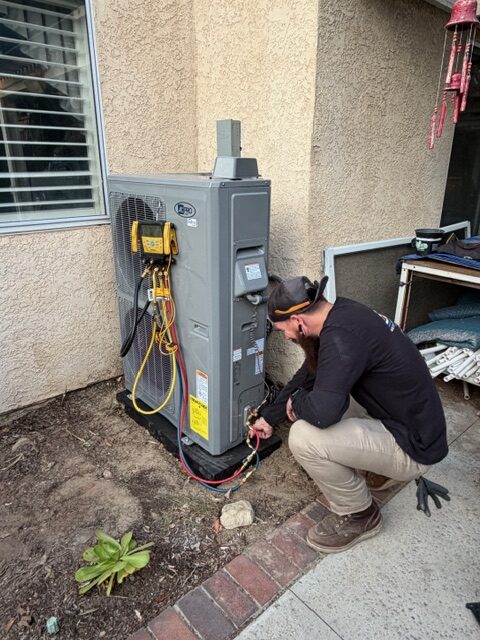

  • 🛠️ What Is an HVAC Tune-Up, and Is It Worth the Cost?

    By Accurate Comfort HVAC | Brea | 714.325.7042

    What Is an HVAC Tune-Up, and Is It Worth the Cost?

    Your heating and cooling equipment contains electrical connections, motors, coils, controls, drainage components, and other parts that must work together. As the system operates, normal wear, dust, debris, and minor performance changes can affect reliability and efficiency.

    An HVAC tune-up is a preventive service appointment intended to inspect the system, evaluate its operation, and identify conditions that may require attention. Depending on the equipment and season, the visit may focus on your air conditioner, furnace, heat pump, or another part of the comfort system.

    But is an HVAC tune-up worth the cost? For many homeowners, routine service is a practical investment because it may reveal developing problems, support efficient operation, and reduce the chance of an unexpected breakdown. However, the exact value depends on the quality of the inspection, the condition of your equipment, and how frequently the system is used.

    🔍 What Is an HVAC Tune-Up?

    An HVAC tune-up is a scheduled inspection and maintenance service performed while the equipment is generally operational. It is different from a repair appointment, which focuses on diagnosing and correcting a known malfunction.

    During a tune-up, a technician examines important components and checks how the system starts, runs, and shuts down. The technician may also perform appropriate cleaning and adjustments within the scope of the service.

    The exact checklist varies based on:

    • Equipment type
    • System age
    • Manufacturer recommendations
    • Heating or cooling season
    • Equipment accessibility
    • System condition
    • The service plan or tune-up package

    A central air conditioner, furnace, heat pump, and ductless mini-split do not all have identical maintenance requirements. Ask what is included before scheduling so you understand the scope of the appointment.

    ❄️ What Is Included in an Air-Conditioning Tune-Up?

    An AC tune-up prepares your cooling system for periods of heavier use. The technician evaluates how effectively the equipment removes heat and moves conditioned air through the home.

    Depending on the system and service package, an air-conditioning tune-up may include:

    • Inspecting or replacing the air filter
    • Checking thermostat operation
    • Inspecting accessible electrical connections
    • Testing capacitors and contactors
    • Examining the blower assembly
    • Checking system airflow
    • Inspecting the evaporator coil
    • Inspecting and cleaning the condenser coil as appropriate
    • Checking the condensate drain and drain pan
    • Evaluating refrigerant-related operation
    • Inspecting the outdoor fan
    • Measuring temperature performance
    • Testing system startup and shutdown
    • Listening for unusual sounds
    • Looking for visible wear or corrosion

    If the technician finds a component that needs repair, the cost of that work may be separate from the tune-up. A reputable provider should explain the problem and obtain authorization before completing additional repairs.

    🔥 What Is Included in a Heating Tune-Up?

    A heating tune-up focuses on preparing the furnace, heat pump, or other heating equipment for cooler weather. Because heating systems vary, the inspection should reflect the type of equipment installed.

    A furnace tune-up may include:

    • Testing the thermostat
    • Inspecting the filter
    • Examining the blower
    • Checking airflow
    • Inspecting accessible electrical connections
    • Testing system startup
    • Checking safety controls
    • Inspecting accessible fuel-related components when applicable
    • Looking for signs of overheating or corrosion
    • Listening for abnormal operating sounds
    • Testing system shutdown
    • Reviewing the condition of the equipment

    Fuel-burning systems require particular attention to proper operation and safety controls. Homeowners should not attempt to disassemble or adjust these components without appropriate training.

    🔄 How Is a Heat Pump Tune-Up Different?

    A heat pump provides both heating and cooling, so it may operate during much of the year. It contains components similar to an air conditioner but can reverse the refrigerant cycle to provide heat.

    A heat pump tune-up may involve:

    • Testing operation in the appropriate mode
    • Checking the thermostat
    • Inspecting indoor and outdoor coils
    • Evaluating airflow
    • Inspecting electrical components
    • Checking the reversing valve’s operation
    • Examining the defrost system when applicable
    • Checking the condensate drain
    • Inspecting the outdoor fan
    • Evaluating system startup and shutdown

    Because heat pumps often operate during both summer and winter, twice-yearly professional maintenance is especially practical.

    📅 How Often Should You Schedule a Tune-Up?

    For most homes, professional HVAC maintenance should be scheduled twice a year:

    • Spring: Air-conditioning or cooling maintenance
    • Fall: Furnace or heating maintenance

    This schedule allows each part of the system to be inspected before its busiest operating season.

    A heat pump also benefits from spring and fall maintenance because it provides year-round comfort. Ductless systems may need professional service once or twice a year depending on usage, the number of indoor units, and manufacturer instructions.

    More frequent filter inspections or cleaning may be appropriate in homes with:

    • Pets
    • Allergy concerns
    • Heavy dust
    • Indoor smoking
    • Nearby construction
    • Recent remodeling
    • Frequent HVAC operation

    Professional tune-ups are seasonal, but basic homeowner maintenance should continue throughout the year.

    💵 How Much Does an HVAC Tune-Up Cost?

    The cost of an HVAC tune-up varies. Pricing may depend on the system type, location, equipment accessibility, service scope, and whether the appointment is part of a maintenance plan.

    Before booking, ask:

    • What equipment does the price cover?
    • Is the air filter included?
    • Is coil cleaning included or priced separately?
    • Are diagnostic tests included?
    • Does the price cover both heating and cooling systems?
    • Will you receive an inspection report?
    • Are repairs or replacement parts additional?
    • Does the company offer a maintenance agreement?

    A very low advertised price may cover only a limited inspection. Compare the scope of service rather than choosing solely by price.

    The most valuable tune-up is one that provides a careful evaluation and clear information about the equipment’s condition.

    ✅ Is an HVAC Tune-Up Worth the Cost?

    For many homeowners, an HVAC tune-up is worth the cost because it can identify developing problems before the system stops working.

    Potential benefits include:

    • Improved system reliability
    • Better airflow
    • More consistent comfort
    • Reduced risk of avoidable breakdowns
    • Identification of worn components
    • Cleaner heat-transfer surfaces
    • More efficient operation
    • Longer equipment life
    • Better maintenance records
    • Greater confidence before peak seasons

    A tune-up cannot guarantee that a component will never fail. It also cannot restore severely deteriorated equipment to new condition. Its value comes from preventive care, early detection, and verifying that the system is operating properly.

    ⚡ Can a Tune-Up Lower Energy Bills?

    An HVAC tune-up may help reduce avoidable energy waste when the system has restricted airflow, dirty coils, control problems, or components that are not operating correctly.

    Maintenance can support efficient operation by:

    • Improving airflow
    • Keeping coils clean
    • Confirming thermostat operation
    • Identifying abnormal cycling
    • Correcting certain minor operating issues
    • Finding duct or filter concerns
    • Reducing unnecessary system strain

    The amount of potential savings varies. Equipment age, system condition, thermostat settings, insulation, ductwork, weather, and household routines all affect energy consumption.

    Be cautious of anyone promising a specific percentage of savings without evaluating your system and home.

    🚨 Can Maintenance Prevent HVAC Breakdowns?

    No maintenance service can prevent every possible breakdown. Electrical parts can fail unexpectedly, motors can wear out, and concealed defects may not produce obvious symptoms.

    However, a tune-up may reveal warning signs such as:

    • Weak capacitors
    • Loose electrical connections
    • Dirty coils
    • Restricted filters
    • Drainage problems
    • Unusual motor noise
    • Corrosion
    • Damaged wiring
    • Abnormal temperature performance
    • Excessive system cycling

    Finding these conditions early gives you an opportunity to address them before the equipment fails during extreme weather.

    Preventive service can also help you budget for future repairs instead of being surprised by a complete loss of heating or cooling.

    ⏳ Can Regular Tune-Ups Extend Equipment Life?

    Routine maintenance may help reduce unnecessary wear and support a longer service life. A system that operates with clean coils, proper airflow, and functioning electrical components generally experiences less stress than neglected equipment.

    However, equipment life is also influenced by:

    • Installation quality
    • System sizing
    • Usage patterns
    • Climate
    • Manufacturing quality
    • Repair history
    • Duct conditions
    • Thermostat habits

    Maintenance is an important part of equipment care, but it cannot correct every installation defect or reverse advanced component deterioration.

    📋 Can HVAC Maintenance Help with Warranty Requirements?

    HVAC warranty terms vary by manufacturer. Some warranties require equipment owners to follow published maintenance requirements and maintain documentation.

    Keep records such as:

    • Installation documents
    • Tune-up invoices
    • Repair invoices
    • Maintenance reports
    • Model and serial numbers
    • Warranty registration details

    Routine maintenance does not guarantee that a claim will be approved, and not every repair is covered. Review the warranty terms for your equipment and confirm coverage before authorizing major work.

    🧹 What Maintenance Can Homeowners Perform?

    Homeowners can perform several basic tasks between professional appointments:

    • Inspect the filter monthly
    • Replace dirty filters
    • Keep supply and return vents open
    • Remove loose debris around outdoor equipment
    • Maintain clearance around the condenser
    • Check for visible water leaks
    • Listen for unusual sounds
    • Monitor thermostat operation
    • Keep HVAC equipment accessible

    These steps complement professional maintenance but do not replace electrical testing, performance measurements, or internal equipment inspections.

    Avoid handling refrigerant components, opening electrical panels, or disassembling fuel-burning equipment. HVAC systems contain high voltage, moving parts, pressurized refrigerant, and potentially hazardous combustion components.

    🔧 What Is the Difference Between a Tune-Up and a Repair?

    A tune-up is preventive service for equipment that is generally functioning. A repair appointment addresses an existing performance problem or failure.

    Schedule a repair rather than a routine tune-up if your system is:

    • Blowing warm air in cooling mode
    • Blowing cold air in heating mode
    • Making loud grinding or banging sounds
    • Leaking water
    • Producing a burning odor
    • Repeatedly tripping a breaker
    • Turning on and off every few minutes
    • Running continuously without reaching the set temperature
    • Showing visible ice on the refrigerant line
    • Failing to start

    Tell the HVAC provider about the symptoms when scheduling. This allows the appointment to be booked appropriately and helps ensure the technician is prepared for diagnostic work.

    ⚠️ Warning Signs Found During a Tune-Up

    A technician may identify a component that is worn but still operating. This does not always mean the part must be replaced immediately.

    Ask the technician to explain:

    • What was found
    • How the problem was confirmed
    • Whether it affects safety or performance
    • How urgent the repair is
    • What may happen if it is delayed
    • Whether the part is covered by warranty
    • What repair options are available

    Clear explanations allow you to distinguish between an immediate problem, a developing concern, and an optional improvement.

    🔍 How to Choose an HVAC Maintenance Provider

    The quality of the service matters as much as the tune-up itself. Look for a provider that clearly explains the scope of work and communicates any findings without unnecessary pressure.

    Before scheduling, consider asking:

    • Is the company properly licensed and insured?
    • What does the tune-up include?
    • Does the technician provide a written summary?
    • Are additional repairs authorized separately?
    • Is the price for one system or multiple units?
    • Is coil cleaning included?
    • What happens if the system needs diagnostic work?
    • Are maintenance plans available?

    Avoid assuming that every service called a “tune-up” includes the same work. Written details make comparison easier.

    📆 What Is the Best Time for an HVAC Tune-Up?

    Schedule air-conditioning maintenance in spring, before cooling demand reaches its seasonal peak. Heating maintenance is generally best completed in fall, before you depend on the system during cooler weather.

    Planning ahead provides time to:

    • Identify developing problems
    • Schedule recommended repairs
    • Test the system before extreme temperatures
    • Replace worn components
    • Discuss efficiency or comfort concerns
    • Avoid the busiest service periods

    If your system has not been inspected for more than a year, scheduling service now is usually better than waiting for the ideal season.

    🏠 Is a Maintenance Plan Worth Considering?

    Some HVAC companies offer maintenance plans that combine seasonal tune-ups with benefits such as reminders, discounted repairs, or scheduling advantages.

    Before joining a plan, review:

    • The number of visits included
    • The equipment covered
    • The specific maintenance checklist
    • The annual cost
    • Renewal terms
    • Repair discounts
    • Cancellation terms
    • Whether benefits transfer to a new homeowner
    • Any exclusions or limitations

    A maintenance plan may be convenient for homeowners who want consistent seasonal service. Its value depends on the included work and whether you will use the benefits.

    📞 Schedule an HVAC Tune-Up in Brea

    A professional tune-up is a practical way to prepare your heating and cooling equipment for periods of heavy use. It can help uncover developing issues, support efficient operation, and reduce the chance that a preventable problem will interrupt your comfort.

    Accurate Comfort HVAC provides seasonal maintenance for heating and air-conditioning systems in Brea. Call 714.325.7042 to schedule an HVAC tune-up and learn what your system needs before the next peak season.


  • 💸 How to Lower Your Summer Air-Conditioning Bills

    By Accurate Comfort HVAC | Brea | 714.325.7042

    How to Lower Your Summer Air-Conditioning Bills

    When summer temperatures rise, your air conditioner may operate for longer periods to keep your home comfortable. That additional runtime can cause a noticeable increase in electricity use—especially if the cooling system is dirty, poorly maintained, or working against air leaks and excessive indoor heat.

    Fortunately, you do not have to sacrifice comfort to reduce cooling costs. Simple changes to your thermostat habits, air filter routine, window coverings, appliance use, and HVAC maintenance schedule can help your system operate more efficiently.

    Use these practical strategies to lower your summer air-conditioning bills while maintaining a comfortable home in Brea.

    🌡️ 1. Choose an Efficient Thermostat Setting

    Your air conditioner must work harder when there is a large difference between the indoor and outdoor temperatures. Setting the thermostat extremely low will not cool your home faster. It simply asks the system to operate longer.

    Choose the highest temperature that remains comfortable for your household. Even a small adjustment can reduce cooling demand over the course of the summer.

    To avoid unnecessary energy use:

    • Keep the thermostat at a consistent, comfortable setting
    • Avoid dramatic temperature changes
    • Increase the setting when the house will be empty
    • Do not set the temperature unusually low after returning home
    • Consider household members, pets, humidity, and health needs

    The best setting is one your family can maintain comfortably. Efficiency matters, but indoor safety and comfort should remain the priority.

    📱 2. Use a Programmable or Smart Thermostat

    A programmable thermostat can automatically adjust the temperature according to your daily routine. A smart thermostat may provide additional features such as remote control, scheduling, energy reports, and learning capabilities.

    A practical cooling schedule might:

    • Maintain your preferred temperature while you are home
    • Increase the setting when the house is empty
    • Begin cooling shortly before you return
    • Make small nighttime adjustments
    • Reduce unnecessary operation during vacations

    Avoid settings that turn the air conditioner completely off for long periods during very hot weather. The system may have to work extensively to restore a comfortable temperature, and excessive indoor heat can affect pets, belongings, and moisture levels.

    A qualified HVAC technician can help determine whether a new thermostat is compatible with your equipment.

    🧹 3. Replace a Dirty Air Filter

    A clogged filter restricts airflow through your HVAC system. Reduced airflow can make the air conditioner run longer, decrease comfort, and place additional stress on the blower and other components.

    Inspect the filter every month during periods of frequent use. Many filters require replacement approximately every one to three months, but the correct interval depends on:

    • Filter type
    • Number of occupants
    • Pets
    • Indoor dust
    • Allergy concerns
    • Remodeling or construction
    • System runtime

    Use the correct filter size and follow the airflow arrow printed on its frame. An overly restrictive filter may also reduce airflow if the HVAC system is not designed for it.

    Regular air filter replacement is one of the simplest ways to support efficient air-conditioning performance.

    🛠️ 4. Schedule Professional AC Maintenance

    An air conditioner may consume additional energy when coils are dirty, airflow is restricted, or electrical and mechanical components are not operating correctly.

    During professional AC maintenance in Brea, a technician may:

    • Inspect the air filter
    • Check system airflow
    • Examine the indoor and outdoor coils
    • Inspect electrical connections
    • Test system startup and shutdown
    • Check thermostat operation
    • Inspect the condensate drain
    • Evaluate cooling performance
    • Look for worn or damaged components

    A tune-up cannot make an aging system perform like new, but it can help identify conditions that cause avoidable energy waste. Spring is generally a convenient time to prepare the air conditioner before the hottest part of the year.

    🌿 5. Keep the Outdoor Condenser Clear

    Your outdoor condenser releases heat removed from the home. Grass clippings, leaves, dirt, and overgrown vegetation can interfere with airflow around the unit.

    To support proper operation:

    • Remove loose leaves and debris
    • Trim plants growing close to the cabinet
    • Maintain adequate clearance around the unit
    • Avoid leaning tools or equipment against it
    • Keep dryer exhaust and other heat sources away
    • Do not cover the unit while it is operating

    Avoid opening the cabinet or using aggressive cleaning methods. Condenser fins can bend easily, and internal components may present an electrical hazard. A heavily soiled coil should be cleaned professionally.

    🪟 6. Block Direct Sunlight

    Sunlight entering through windows can add a substantial amount of heat to your home. East-facing windows may receive strong morning sun, while west-facing windows can contribute significant heat later in the day.

    Reduce solar heat gain by using:

    • Blinds
    • Curtains
    • Shades
    • Exterior awnings
    • Solar screens
    • Reflective window treatments
    • Landscaping that provides appropriate shade

    Close window coverings before direct sunlight reaches the glass. Reopening them after the sun has moved away can provide natural light without adding as much heat.

    When replacing windows, compare performance ratings and select products appropriate for the home and local climate.

    🚪 7. Seal Air Leaks Around the Home

    Gaps around doors, windows, attic access points, and utility penetrations allow hot outdoor air to enter while cooled air escapes.

    Check for air leakage around:

    • Exterior doors
    • Window frames
    • Attic hatches
    • Recessed lighting
    • Plumbing penetrations
    • Electrical outlets on exterior walls
    • Fireplace dampers
    • Wall-mounted air conditioners
    • Pet doors

    Weatherstripping and appropriate caulking can correct many small gaps. Larger or hidden leaks may require professional assessment.

    Air sealing reduces the amount of heat your air conditioner must remove and can also improve comfort by limiting hot drafts.

    🏠 8. Improve Attic Insulation

    Your attic can become extremely warm during summer. Insufficient or damaged insulation allows more heat to move into the rooms below, increasing the cooling load.

    Possible signs of an insulation problem include:

    • Upstairs rooms that remain unusually warm
    • Large temperature differences between rooms
    • An air conditioner that runs continuously
    • High summer energy use
    • Noticeable heat near ceilings
    • Insulation that is compressed, displaced, or missing

    The correct insulation strategy depends on your home’s construction, existing materials, ventilation, and local requirements. A qualified insulation or energy professional can evaluate the attic and recommend appropriate improvements.

    💨 9. Keep Supply and Return Vents Open

    Furniture, curtains, rugs, and boxes can block airflow from supply or return vents. This makes it harder for the HVAC system to circulate conditioned air.

    Walk through your home and confirm that:

    • Supply registers are open
    • Return grilles are unobstructed
    • Furniture is not covering vents
    • Curtains do not block airflow
    • Rugs are not placed over floor registers
    • Registers are reasonably clean

    Closing vents in unused rooms may seem like an easy way to save energy, but it can increase pressure in the duct system and disrupt designed airflow. Unless the system was specifically designed for zoning, keep vents open.

    🔍 10. Have Leaky Ductwork Inspected

    Leaking ducts may release cooled air into an attic, crawlspace, garage, or wall cavity before it reaches your living areas. The air conditioner then runs longer to compensate.

    Signs of possible duct leakage include:

    • Weak airflow
    • Rooms that are difficult to cool
    • Excessive dust
    • Whistling or rattling sounds
    • Hot and cold spots
    • Higher energy use
    • Visible gaps in accessible duct connections

    Professional duct testing can identify leaks that are not visible. Proper sealing and insulation may improve comfort and reduce energy loss.

    Do not use ordinary cloth-backed household tape as a permanent duct repair. HVAC-specific sealing materials should be selected and applied correctly.

    🌬️ 11. Use Ceiling Fans Wisely

    Ceiling fans do not lower the actual temperature of a room, but moving air can make occupants feel cooler. This may allow you to use a slightly higher thermostat setting while remaining comfortable.

    For effective fan use:

    • Use fans in occupied rooms
    • Confirm that the blades rotate in the recommended summer direction
    • Turn fans off when everyone leaves
    • Choose an appropriate speed
    • Clean dusty blades regularly

    Because fans cool people rather than empty rooms, leaving them on continuously wastes electricity.

    Ceiling fans should supplement air conditioning, not compensate for a system that is failing to cool correctly.

    🍳 12. Reduce Heat from Cooking

    Ovens, stovetops, and other cooking appliances add heat to the home. During the hottest part of the day, that additional heat can increase air-conditioning demand.

    Consider:

    • Cooking earlier in the morning
    • Preparing meals later in the evening
    • Using a microwave or countertop appliance when appropriate
    • Grilling outdoors safely
    • Preparing meals that require little cooking
    • Running the kitchen exhaust fan during cooking

    Exhaust fans remove heat and moisture, but they also send conditioned indoor air outside. Use them when needed and turn them off when cooking is complete.

    👕 13. Run Heat-Producing Appliances at Cooler Times

    Dishwashers, clothes dryers, and other appliances release heat. Operating them during the hottest afternoon hours can make the air conditioner work harder.

    When practical:

    • Run the dishwasher in the evening
    • Wash and dry clothing during cooler hours
    • Use full loads
    • Clean the dryer lint filter after each load
    • Air-dry suitable items
    • Turn off appliances when not in use

    Always follow appliance safety instructions. Do not run major appliances unattended solely to take advantage of cooler nighttime temperatures.

    💡 14. Reduce Indoor Heat from Lighting and Electronics

    Traditional light bulbs and electronic devices generate heat. Individually, each source may seem minor, but the combined heat can increase the cooling load.

    To reduce unnecessary indoor heat:

    • Turn off unused lights
    • Choose efficient lighting
    • Shut down electronics that are not needed
    • Avoid leaving gaming systems running
    • Use sleep settings on computers and televisions
    • Unplug unnecessary chargers

    These actions can reduce both direct electricity consumption and the heat your air conditioner must remove.

    🌙 15. Use Natural Ventilation Only When Conditions Are Favorable

    Opening windows can help cool the home when outdoor temperatures are lower than indoor temperatures. However, opening them during hot or humid periods may increase the workload on your air conditioner.

    If conditions are favorable:

    • Turn off the AC before opening windows
    • Create cross-ventilation
    • Use window fans safely
    • Close windows before outdoor temperatures rise
    • Restart cooling only after windows and doors are closed

    Consider outdoor air quality, security, humidity, noise, and allergies before relying on natural ventilation.

    🧊 16. Avoid Setting the Thermostat Extremely Low

    Lowering the thermostat far below your preferred temperature does not make a standard air conditioner produce colder air or cool the house instantly. It generally causes the equipment to run for a longer period.

    Extreme settings can:

    • Increase electricity use
    • Cause unnecessarily long cycles
    • Place additional wear on components
    • Make the home uncomfortably cold
    • Hide an underlying cooling problem

    If the system cannot reach a reasonable setting, check the filter and thermostat. Persistent cooling problems should be professionally diagnosed.

    🚨 17. Address AC Problems Promptly

    A malfunctioning air conditioner may continue running while delivering less cooling. This can increase energy use before the system fails completely.

    Watch for:

    • Warm air from the vents
    • Weak airflow
    • Frequent starting and stopping
    • Ice on the refrigerant line
    • Water around the indoor unit
    • Unusual noises
    • Burning or musty odors
    • Rooms that no longer cool evenly
    • A system that runs continuously

    Prompt repairs may restore efficient operation and help prevent additional component damage. Turn the equipment off if you notice smoke, sparks, burning odors, or water near electrical parts.

    📊 18. Monitor Energy Use, Not Just the Bill Total

    Electricity rates can change, so a higher bill does not always mean your household used more energy. Compare the actual energy consumption shown on current and previous statements.

    When reviewing summer use, consider:

    • Outdoor temperature differences
    • Changes in thermostat settings
    • More people being home
    • New appliances
    • Recent construction
    • Longer cooling cycles
    • Rate changes
    • Changes in billing periods

    A sudden increase in electricity consumption combined with reduced comfort may indicate an HVAC performance problem.

    Smart thermostats and utility portals may also provide helpful usage information, although the features available vary.

    🏚️ 19. Know When an Older AC Is Costing Too Much

    An older air conditioner may remain functional while becoming increasingly expensive to operate and repair.

    Replacement may deserve consideration when:

    • Repairs are becoming frequent
    • Energy consumption continues to rise
    • The system runs almost constantly
    • Major components are deteriorating
    • Parts are difficult to obtain
    • The home no longer cools evenly
    • The equipment is incorrectly sized

    Replacement is not automatically necessary because a system is old. A professional evaluation should consider the equipment’s condition, repair history, efficiency, sizing, and your long-term plans.

    ✅ Create a Summer Cooling Routine

    A simple routine can make energy-saving habits easier to maintain.

    Every Month

    • Inspect the air filter
    • Review electricity usage
    • Check for unusual noises or odors
    • Confirm that vents remain unobstructed

    Every Week

    • Remove loose debris around the outdoor unit
    • Check thermostat scheduling
    • Close blinds before direct sunlight enters
    • Turn off unused fans and electronics

    Every Day

    • Use a reasonable thermostat setting
    • Run heat-producing appliances during cooler periods
    • Use ceiling fans only in occupied rooms
    • Keep doors and windows closed while the AC operates

    Consistent small changes can have a greater effect than occasional drastic adjustments.

    📞 Improve Your AC Performance in Brea

    Lower summer cooling costs begin with practical thermostat habits, clean filters, controlled sunlight, proper airflow, and a well-maintained air conditioner. If your energy use has increased unexpectedly or the system runs continuously without keeping your home comfortable, an HVAC inspection can help identify the cause.

    Accurate Comfort HVAC provides professional maintenance and air-conditioning service for homeowners in Brea. Call 714.325.7042 to schedule an appointment and help your cooling system operate efficiently throughout the summer.

  • 🔄 Why Does My Air Conditioner Keep Turning On and Off?

    By Accurate Comfort HVAC | Brea | 714.325.7042

    Why Does My Air Conditioner Keep Turning On and Off?

    Your air conditioner should operate in regular cooling cycles, gradually lowering the indoor temperature before shutting off. When the system repeatedly starts and stops after running for only a few minutes, it may be experiencing a problem known as short cycling.

    An air conditioner that keeps turning on and off may not run long enough to cool your home properly. Frequent cycling can also increase energy consumption, place unnecessary stress on electrical and mechanical components, and contribute to premature equipment wear.

    The cause could be as simple as a dirty air filter or incorrect thermostat placement. In other cases, short cycling may be related to frozen coils, refrigerant problems, electrical failures, or incorrectly sized equipment.

    Understanding the possible causes can help you determine when to perform a simple check and when to schedule professional AC repair.

    ⏱️ What Is AC Short Cycling?

    Short cycling occurs when an air conditioner begins a cooling cycle but shuts down before completing it. The system may restart shortly afterward, repeating the pattern throughout the day.

    A normal cooling cycle varies depending on the equipment, indoor temperature, outdoor conditions, thermostat setting, and characteristics of the home. However, a system that turns on and off every few minutes without reaching the desired temperature deserves attention.

    Common symptoms of AC short cycling include:

    • Cooling cycles lasting only a few minutes
    • Frequent clicking as the system starts and stops
    • Indoor temperatures that never reach the thermostat setting
    • Uneven cooling between rooms
    • Higher electricity consumption
    • Excessive wear on system components
    • An uncomfortable or humid home

    Short cycling is not a specific repair. It is a symptom that can have several possible causes.

    🌡️ 1. The Thermostat May Be Causing the Problem

    The thermostat tells your air conditioner when to start and stop. If it receives inaccurate temperature readings, the cooling system may cycle improperly.

    First, confirm that the thermostat is:

    • Set to “Cool”
    • Set below the current indoor temperature
    • Programmed correctly
    • Equipped with fresh batteries, when applicable
    • Not displaying an error message

    Thermostat placement also matters. A thermostat located near a supply vent may detect cold air too quickly and shut the system down before the rest of the home is comfortable.

    Other problematic locations include:

    • Direct sunlight
    • Near an exterior door
    • Beside a window
    • Close to a kitchen or heat-producing appliance
    • On an unusually warm or cold wall
    • In an area with limited airflow

    If the thermostat is poorly positioned, damaged, or losing its calibration, professional testing can determine whether repair, relocation, or replacement is appropriate.

    🧹 2. A Dirty Air Filter May Be Restricting Airflow

    A clogged air filter is one of the first things to check when an air conditioner begins cycling abnormally. As dust and debris accumulate, less air can move through the HVAC system.

    Restricted airflow can cause the indoor evaporator coil to become excessively cold. The system may shut down because of abnormal operating conditions and restart later, creating a pattern that resembles short cycling.

    A dirty filter can also contribute to:

    • Weak airflow
    • Uneven temperatures
    • Longer overall operating time
    • Higher energy consumption
    • Increased strain on the blower
    • Ice forming on the evaporator coil

    Inspect your filter and replace it if it is visibly dirty. Make sure the replacement is the correct size and is installed in the direction indicated by its airflow arrow.

    If changing the filter does not correct the problem, another airflow or mechanical issue may be responsible.

    🧊 3. The Evaporator Coil Could Be Frozen

    The evaporator coil absorbs heat from indoor air. If airflow is insufficient or refrigerant conditions are incorrect, moisture on the coil can freeze.

    Signs of a frozen AC evaporator coil include:

    • Ice on the refrigerant line
    • Weak airflow from the vents
    • Warm or room-temperature air
    • Water near the indoor equipment
    • Cooling cycles that stop unexpectedly
    • A system that struggles to lower the temperature

    If you see ice, turn off the cooling function. You may set the thermostat fan to “On” to help circulate air and allow the coil to thaw, provided the blower is working normally.

    Do not scrape the ice or apply heat directly to the coil. Evaporator coils and refrigerant lines can be damaged easily.

    Because freezing is generally a symptom of another problem, the underlying cause should be diagnosed before the system returns to normal use.

    🧪 4. Low Refrigerant May Be Affecting System Operation

    Refrigerant circulates through the air conditioner and transfers heat from inside your home to the outdoors. Low refrigerant may affect system pressures and cooling performance, potentially causing the equipment to shut down abnormally.

    Possible signs of a refrigerant-related problem include:

    • Short or irregular cooling cycles
    • Ice on the indoor coil or refrigerant line
    • Warm air from the vents
    • Longer operating periods without effective cooling
    • Hissing or bubbling noises
    • Increasing electricity use

    Air conditioners do not normally consume refrigerant during operation. If the level is low, a leak may be present.

    Adding refrigerant without locating the cause may provide only temporary improvement. A qualified technician should inspect the system, determine whether a leak exists, and recommend the appropriate solution.

    ⚡ 5. A Failing Capacitor Could Interrupt Cooling Cycles

    Air conditioners use capacitors to help certain motors start and operate. When a capacitor becomes weak or fails, the outdoor fan or compressor may have difficulty starting or staying on.

    Symptoms of a possible capacitor problem include:

    • Clicking or humming
    • Delayed system startup
    • An outdoor fan that does not turn
    • A system that starts and quickly stops
    • Intermittent cooling
    • An outdoor unit that becomes unusually hot

    Capacitors can retain a dangerous electrical charge even after power has been disconnected. Do not open electrical panels or attempt to test or replace a capacitor unless you are properly trained.

    Professional electrical testing can determine whether the capacitor or another component is causing the repeated cycling.

    🔌 6. Loose Wiring or Electrical Problems May Be Involved

    Normal vibration, heat, corrosion, and equipment age can affect electrical connections. Damaged wiring or worn controls may interrupt power to the system, causing it to turn off and restart unpredictably.

    Possible electrical causes include:

    • Loose connections
    • Worn contactors
    • Damaged wiring
    • Failing relays
    • Control board problems
    • Overheating motors
    • A repeatedly tripping circuit breaker

    Turn the air conditioner off if you notice burning odors, buzzing, visible sparks, or signs of overheated wiring. Electrical HVAC problems can be hazardous and should be inspected promptly.

    If a circuit breaker trips, you may reset it once. If it trips again, leave it off and arrange professional service. Repeatedly resetting the breaker does not correct the underlying fault.

    🌿 7. The Outdoor Condenser May Be Dirty or Blocked

    The outdoor condenser releases heat removed from your home. When the condenser coil is covered with dirt, grass clippings, leaves, or other debris, the system may struggle to transfer heat effectively.

    Poor heat transfer can contribute to:

    • Abnormally high operating pressures
    • Overheating
    • Reduced cooling performance
    • Increased energy consumption
    • Protective shutdowns
    • Irregular cycling

    Check the area around the outdoor unit and remove loose debris. Maintain adequate clearance around the cabinet so air can circulate freely.

    Avoid opening the unit or using aggressive cleaning methods. The coil fins are delicate, and incorrect cleaning can cause damage. A heavily soiled condenser should be serviced professionally.

    📏 8. Your Air Conditioner May Be Oversized

    A larger air conditioner is not necessarily better. If the system has too much cooling capacity for the home, it may lower the temperature near the thermostat very quickly and shut off before completing a normal cycle.

    An oversized air conditioner may cause:

    • Frequent short cycles
    • Uneven indoor temperatures
    • Inadequate humidity control
    • Hot and cold spots
    • Excessive startup wear
    • Higher-than-expected energy use

    Correct equipment sizing should be based on a professional load calculation that considers square footage, insulation, window area, air leakage, ceiling height, sun exposure, occupancy, and other factors.

    If your air conditioner has cycled rapidly since it was installed, sizing or installation may be part of the problem. Replacing components will not correct equipment that is fundamentally too large for the home.

    💧 9. A Clogged Condensate Drain Could Trigger a Shutdown

    As your air conditioner cools the home, it removes moisture from indoor air. This moisture collects in a drain pan and exits through a condensate line.

    If the line becomes blocked, water may back up into the drain pan. Systems equipped with a float switch may shut down automatically to help prevent an overflow.

    A clogged drain can cause:

    • Intermittent system operation
    • Water near the indoor unit
    • A full drain pan
    • Musty odors
    • Unexplained cooling interruptions
    • Water damage around the equipment

    Do not ignore water near your HVAC system. Moisture can damage floors, ceilings, walls, and nearby belongings. It can also create problems if it reaches electrical components.

    A technician can inspect the drain system, clear the blockage, and determine whether the float switch is interrupting operation.

    🔥 10. The Compressor May Be Overheating

    The compressor is a major component of the air conditioning system. If it overheats, internal protection may shut it down. After the compressor cools, it may restart and repeat the cycle.

    Compressor overheating may be associated with:

    • Dirty condenser coils
    • Refrigerant problems
    • Electrical issues
    • A weak capacitor
    • A failing condenser fan
    • Excessive system pressures
    • Internal compressor wear

    A compressor that repeatedly shuts down should be inspected promptly. Continued operation under abnormal conditions may cause additional damage and lead to a more expensive repair.

    🔧 11. The Compressor Could Be Failing

    Not every compressor-related issue means the compressor itself has failed. Electrical components, refrigerant conditions, or airflow problems may prevent an otherwise functional compressor from operating correctly.

    However, internal compressor wear can also cause:

    • Hard starting
    • Loud humming
    • Frequent protective shutdowns
    • Tripped breakers
    • Poor cooling
    • Repeated cycling
    • Unusual vibration

    Professional diagnostic testing is essential before making a major repair decision. The technician should evaluate the compressor, electrical components, system condition, equipment age, and repair history.

    🏠 12. Airflow Problems Elsewhere May Be Contributing

    The filter is not the only part of the HVAC system that affects airflow. Other restrictions may interfere with normal cooling cycles.

    Potential airflow problems include:

    • Blocked return vents
    • Closed supply vents
    • Dirty evaporator coils
    • Damaged blower components
    • Undersized ductwork
    • Collapsed flexible ducts
    • Excessively restrictive filters
    • Furniture covering registers

    Keep supply and return vents open and unobstructed. Closing multiple vents may increase pressure inside the duct system and does not necessarily save energy.

    Persistent airflow problems require professional measurement and diagnosis.

    💸 Why Short Cycling Should Not Be Ignored

    Every time an air conditioner starts, electrical and mechanical components experience additional stress. A system that starts far more often than intended may experience accelerated wear.

    Uncorrected short cycling can contribute to:

    • Higher electricity use
    • Increased component wear
    • Poor temperature control
    • Inadequate humidity removal
    • Frozen coils
    • Compressor stress
    • More frequent repairs
    • A reduced equipment life span

    The underlying problem may become more expensive if it is allowed to continue. Prompt diagnosis can help restore normal cycling and reduce unnecessary strain.

    🔍 What Can You Check Before Calling an HVAC Technician?

    Homeowners can perform a few safe checks before requesting service:

    1. Confirm that the thermostat is set to “Cool.”
    2. Lower the temperature setting several degrees.
    3. Replace a visibly dirty filter.
    4. Make sure supply and return vents are open.
    5. Remove loose debris around the outdoor condenser.
    6. Look for ice on the refrigerant line.
    7. Check for water near the indoor unit.
    8. Listen for unusual clicking, buzzing, or grinding.
    9. Check whether the circuit breaker has tripped.

    Do not remove HVAC access panels, handle refrigerant components, or attempt internal electrical repairs.

    If replacing the filter or correcting the thermostat settings does not resolve the problem, professional diagnosis is the safest next step.

    🚨 When Should You Turn the Air Conditioner Off?

    Stop operating the system if you notice:

    • Burning or electrical odors
    • Smoke or sparks
    • Loud grinding or metallic noises
    • Ice covering the coil or refrigerant line
    • Water approaching electrical components
    • A breaker that repeatedly trips
    • An outdoor unit that hums but does not start
    • Extremely rapid cycling
    • Signs of overheating

    Turning off a malfunctioning system may help prevent additional equipment damage while you wait for service.

    🛠️ Can Regular Maintenance Help Prevent Short Cycling?

    Routine air conditioning maintenance can help identify problems that may contribute to short cycling. During a professional tune-up, a technician may inspect:

    • Airflow
    • The air filter
    • Indoor and outdoor coils
    • Electrical components
    • Thermostat operation
    • The condensate drain
    • The blower assembly
    • Refrigerant-related performance
    • System startup and shutdown

    Maintenance cannot prevent every failure, but it can reveal developing issues before they cause a loss of cooling.

    For most homes, scheduling AC maintenance before the cooling season and heating maintenance before cooler weather provides a practical preventive-care routine.

    📞 Schedule Professional AC Repair in Brea

    An air conditioner that repeatedly turns on and off may have a thermostat problem, restricted airflow, a frozen coil, an electrical failure, or another condition that requires professional testing.

    Accurate Comfort HVAC can diagnose short cycling, explain the cause, and recommend an appropriate repair for your Brea home. Call 714.325.7042 to schedule service before repeated cycling causes additional wear or leaves you without dependable cooling.

  • 🔧 AC Repair or Replacement: How to Make the Right Decision

    By Accurate Comfort HVAC | Brea | 714.325.7042

    AC Repair or Replacement: How to Make the Right Decision

    When your air conditioner stops cooling effectively, you may face an important question: should you repair the existing system or replace it? A minor repair can often restore dependable performance, but continuing to invest in an aging or unreliable unit may not be the best long-term decision.

    The right choice depends on several factors, including the air conditioner’s age, repair history, energy efficiency, overall condition, and the cost of the proposed repair. Your home’s comfort needs and future plans should also influence your decision.

    Understanding these considerations can help you make a practical AC repair or replacement decision without relying on age or repair cost alone.

    📅 Consider the Age of Your Air Conditioner

    System age is an important starting point, but it should not be the only factor in your decision. A relatively new air conditioner with a minor electrical problem may be an excellent candidate for repair. An older unit with multiple worn components may be less economical to keep.

    The service life of an air conditioner depends on:

    • Installation quality
    • Maintenance history
    • Frequency of use
    • Local operating conditions
    • Equipment quality
    • Airflow and duct conditions
    • The severity of previous problems

    If your system is approaching the later portion of its expected service life, compare the repair cost with the potential benefits of replacement. Age does not automatically mean an air conditioner must be replaced, but it increases the importance of evaluating its overall condition.

    💵 Compare the Repair Cost with the System’s Value

    A relatively inexpensive repair may make sense when the rest of the air conditioner is in good condition. However, a major repair on an older unit deserves closer examination.

    Ask your HVAC technician for:

    • A clear diagnosis
    • The estimated repair cost
    • The condition of other major components
    • The likelihood of additional repairs
    • The expected benefit of the proposed work
    • Available repair and replacement options

    Avoid evaluating the repair cost in isolation. A significant repair may still be reasonable on a newer, well-maintained system. Conversely, several smaller repairs over a short period can make an older system increasingly expensive to own.

    The goal is to determine whether the repair provides good value—not simply whether it costs less than replacement today.

    🔄 Review the Air Conditioner’s Repair History

    An isolated component failure does not necessarily indicate that the entire system is unreliable. Parts can wear out even when the rest of the equipment remains in good condition.

    Repeated breakdowns are more concerning. If you have scheduled multiple repairs in recent seasons, those costs should be considered together.

    Review previous invoices and ask:

    • How often has the system needed service?
    • Are the same problems returning?
    • Have multiple major components shown wear?
    • Has the air conditioner become less reliable?
    • Are replacement parts readily available?
    • Is the system likely to need more repairs soon?

    If breakdowns are becoming frequent, replacement may offer better long-term value and greater peace of mind. If the unit has otherwise operated reliably, repair may remain the sensible choice.

    ⚡ Evaluate Current Energy Efficiency

    An older air conditioner may continue to cool your home while using more electricity than necessary. Declining performance can also lead to longer operating cycles and higher utility costs.

    Signs that your system may be losing efficiency include:

    • Rising electricity consumption
    • Longer cooling cycles
    • Difficulty reaching the thermostat setting
    • Uneven temperatures
    • Frequent starting and stopping
    • Weak airflow
    • Increasing repair needs

    Utility costs can also change because of weather, electricity rates, thermostat settings, and household routines. Compare energy usage—not only the dollar amount—with similar months from previous years whenever possible.

    A new, properly selected system may reduce cooling energy use, but actual savings vary. Home size, ductwork, insulation, thermostat habits, installation quality, and equipment efficiency all affect performance.

    🌡️ Think About Your Current Comfort

    Your air conditioner should do more than turn on. It should cool your home consistently and maintain reasonable comfort throughout the living space.

    Consider whether your existing system:

    • Reaches the thermostat setting
    • Maintains even temperatures
    • Provides sufficient airflow
    • Operates without excessive noise
    • Controls indoor humidity appropriately
    • Runs in normal cooling cycles

    Persistent comfort problems may indicate issues beyond a single failed component. Leaking ducts, poor insulation, incorrect equipment sizing, or installation problems can all affect performance.

    Replacing the outdoor equipment alone will not necessarily correct every comfort concern. A thorough evaluation should consider the complete HVAC system and the characteristics of your home.

    📏 Confirm That the Existing AC Is Properly Sized

    Air conditioner capacity must match the home’s cooling requirements. A system that is too small may run continuously and struggle during hot weather. A system that is too large may cool the house too quickly, leading to short cycles, temperature fluctuations, and inadequate humidity control.

    Proper sizing should account for factors such as:

    • Square footage
    • Insulation
    • Window size and orientation
    • Ceiling height
    • Air leakage
    • Sun exposure
    • Occupancy
    • Heat-producing appliances
    • Duct condition

    If the existing air conditioner has never provided consistent comfort, replacing it with another unit of the same capacity may repeat the problem.

    Before installing a new system, request a professional load calculation rather than relying solely on the size of the existing equipment.

    🏠 Inspect the Condition of Your Ductwork

    Ductwork is responsible for delivering conditioned air throughout your home. Leaks, disconnected sections, poor insulation, and airflow restrictions can reduce comfort and waste energy.

    Possible signs of duct problems include:

    • Certain rooms remaining warmer than others
    • Weak airflow from specific vents
    • Excessive dust
    • Whistling or rattling sounds
    • Hot and cold areas
    • Higher-than-expected energy use

    If your ducts are losing a significant amount of conditioned air, repairing or replacing the air conditioner without addressing the ductwork may provide disappointing results.

    A complete air conditioning replacement evaluation should include airflow and duct considerations, particularly when the home has experienced long-standing comfort problems.

    🧊 Identify the Type of Repair Needed

    Some air conditioning repairs are relatively straightforward. Others involve major components and deserve a more detailed comparison between repair and replacement.

    Repair may be practical when the problem involves:

    • A thermostat malfunction
    • A clogged condensate drain
    • A worn contactor
    • A failed capacitor
    • A minor wiring issue
    • A replaceable fan component
    • A repairable airflow problem

    Replacement may deserve stronger consideration when the system has:

    • A major compressor problem
    • A severely deteriorated coil
    • Multiple failing components
    • Extensive corrosion
    • Recurring refrigerant leaks
    • Significant damage
    • Limited availability of compatible parts

    Every situation is different. The condition and age of the complete system matter more than the name of the failed component alone.

    🧪 Consider Refrigerant and Parts Availability

    Older equipment may use components or refrigerant types that are increasingly difficult or costly to obtain. This does not automatically mean the system cannot be repaired, but availability can affect the price and practicality of continued service.

    Ask your technician:

    • Is the required part available?
    • Is it compatible with the existing system?
    • How long is the replacement part expected to remain available?
    • Does the repair address the underlying cause?
    • Are there other aging components that may soon need attention?

    If an essential component is unavailable or disproportionately expensive, replacement may be the more practical path.

    🛡️ Review Warranty Coverage

    Warranty coverage can change the financial comparison considerably. A newer air conditioner may still have manufacturer parts coverage, although labor, refrigerant, diagnostic work, or other expenses may not be included.

    Before authorizing a repair, review:

    • Manufacturer warranty terms
    • Labor warranty terms
    • Installation records
    • Previous service documentation
    • Required maintenance records
    • Any available extended coverage

    Warranty terms vary by manufacturer and installation. Confirm coverage rather than assuming a specific repair will be fully paid.

    A major repair may make sense when the part is covered and the rest of the equipment is in good condition. Without coverage, the same repair on an aging system may be harder to justify.

    🔗 Evaluate the Indoor and Outdoor Equipment Together

    Central air conditioning systems contain indoor and outdoor components designed to operate together. If one part requires replacement, compatibility with the remaining equipment must be considered.

    Mismatched components can affect:

    • Cooling performance
    • Energy efficiency
    • System capacity
    • Reliability
    • Warranty eligibility
    • Humidity control

    Before replacing only one portion of the system, ask whether the proposed combination is properly matched. In some cases, replacing connected components together may provide better performance and avoid compatibility problems.

    🔊 Think About Noise and Indoor Comfort Improvements

    Older air conditioners may become louder as motors, panels, bearings, and other components wear. Even after a repair, the system may retain operating characteristics that affect comfort.

    Replacement equipment may offer benefits such as:

    • Quieter operation
    • More consistent temperatures
    • Improved airflow
    • Better thermostat compatibility
    • More precise comfort control
    • Improved efficiency

    These benefits should be weighed against the installation cost. Replacement should solve a meaningful comfort, reliability, or efficiency problem—not simply provide newer equipment.

    📆 Consider How Long You Plan to Stay in the Home

    Your future plans may influence the repair-or-replace decision.

    If you expect to remain in the home for many years, you may place greater value on:

    • Long-term reliability
    • Improved efficiency
    • Warranty protection
    • Consistent comfort
    • Reduced repair uncertainty

    If you plan to move soon, a safe and reliable repair may be more practical. However, an air conditioner in poor condition could affect a buyer’s perception of the home or become an issue during an inspection.

    Consider both immediate costs and how long you are likely to receive the benefits of either option.

    🧮 Avoid Relying on One Formula Alone

    You may encounter formulas that multiply the repair cost by the age of the equipment. These formulas can be useful as rough discussion tools, but they should not replace a complete professional assessment.

    A simple formula cannot evaluate:

    • Maintenance history
    • Installation quality
    • Overall component condition
    • Ductwork
    • Warranty coverage
    • Comfort problems
    • Parts availability
    • Future repair risk
    • Your household priorities

    Use cost guidelines to organize your thinking, but make the final decision based on the complete picture.

    🔧 When AC Repair Is Often the Better Choice

    Repair may be the right decision when:

    • The system is relatively young
    • The required repair is limited
    • The equipment has been reliable
    • Major components are in good condition
    • The repair is covered by warranty
    • Cooling performance was satisfactory before the failure
    • Compatible parts are readily available
    • Energy use remains reasonable

    A professional repair can restore reliable cooling without the expense of replacing equipment that still has useful service life.

    ♻️ When AC Replacement May Be the Better Choice

    Replacement may deserve consideration when:

    • The system is older and deteriorating
    • Repairs have become frequent
    • The current repair is expensive
    • Major components are failing
    • Replacement parts are difficult to obtain
    • Energy consumption has increased
    • The system no longer cools consistently
    • The equipment is incorrectly sized
    • You want improved comfort or efficiency
    • The system has recurring refrigerant leaks

    Replacement involves a larger initial investment, but it may reduce repair uncertainty and provide improved performance when the existing equipment is near the end of its useful life.

    📋 Questions to Ask Before Making Your Decision

    Before approving a repair or replacement, ask the HVAC professional:

    1. What exactly caused the problem?
    2. Can the issue be repaired safely and reliably?
    3. What is the condition of the remaining components?
    4. How likely is another major repair?
    5. Is the required part readily available?
    6. Is any portion of the work covered by warranty?
    7. Has the system been properly sized?
    8. Are there duct or airflow problems?
    9. What repair and replacement options are available?
    10. What costs are included in each estimate?

    Clear answers will help you compare the options based on value, not pressure.

    📞 Get an Honest AC Evaluation in Brea

    Choosing between AC repair and replacement requires more than a quick look at the system’s age. Repair cost, equipment condition, efficiency, comfort, warranty coverage, and future reliability should all be considered.

    Accurate Comfort HVAC can inspect your cooling system, explain the problem, and help you compare practical options for your Brea home. Call 714.325.7042 to schedule a professional evaluation and make an informed decision about your indoor comfort.