Category: indoor air quality systems

  • 🌿 How Indoor Air Quality Changes During Summer

    By Accurate Comfort HVAC | Diamond Bar | 714.325.7042
    How Indoor Air Quality Changes During Summer

    Summer changes more than the temperature inside your home. Heat, humidity, longer air-conditioning cycles, outdoor pollution, and increased allergen levels can all affect the air your family breathes.

    Because doors and windows often remain closed while the air conditioner operates, airborne pollutants may become concentrated indoors. Dust, pollen, pet dander, moisture, odors, and chemical vapors can circulate repeatedly through the living space. In some homes, duct leakage or HVAC maintenance problems can make these conditions worse.

    Understanding how indoor air quality changes during summer can help you maintain a cleaner, healthier, and more comfortable home. If you have concerns about your cooling system, filtration, humidity, or airflow, call Accurate Comfort HVAC in Diamond Bar at 714.325.7042.

    ☀️ Summer Heat Changes How You Use Your Home

    During mild weather, you may open doors and windows to bring fresh air inside. During a hot Diamond Bar summer, the home is more likely to remain closed while the air conditioner runs.

    Keeping the home sealed helps maintain a comfortable temperature, but it can also reduce natural air exchange. Pollutants produced indoors may remain inside longer instead of being diluted with outdoor air.

    Common indoor pollutants include:

    • Dust and dust mites
    • Pet hair and dander
    • Cooking particles
    • Cleaning-product vapors
    • Fragrances
    • Smoke
    • Pollen carried indoors
    • Moisture
    • Particles from hobbies or remodeling
    • Emissions from furniture and household materials

    Air conditioning circulates indoor air but does not automatically remove every contaminant. Effective filtration, source control, proper ventilation, and humidity management all contribute to better summer indoor air quality.

    🌼 Outdoor Allergens Can Enter Your Home

    Pollen levels can remain elevated during summer as grasses, weeds, trees, and landscaping release allergens. Even with the windows closed, pollen can enter on clothing, shoes, hair, pets, packages, and through small gaps in the building.

    Once inside, these particles may settle on furniture and flooring or become airborne again when people walk through a room. The HVAC system can then distribute them to other areas.

    To reduce pollen indoors:

    • Remove shoes near the entrance
    • Change clothes after extended outdoor activity
    • Bathe pets regularly
    • Wash bedding frequently
    • Use a vacuum with appropriate filtration
    • Keep windows closed when outdoor pollen is high
    • Replace the HVAC filter as recommended
    • Clean entry areas regularly

    If allergy symptoms become worse when the air conditioner runs, inspect the filter and consider having the HVAC system evaluated for airflow, filtration, or duct-related issues.

    🧹 Dust May Circulate More Frequently

    Air-conditioning systems can operate for many hours during hot weather. The longer the blower runs, the more air passes through the filter and duct system.

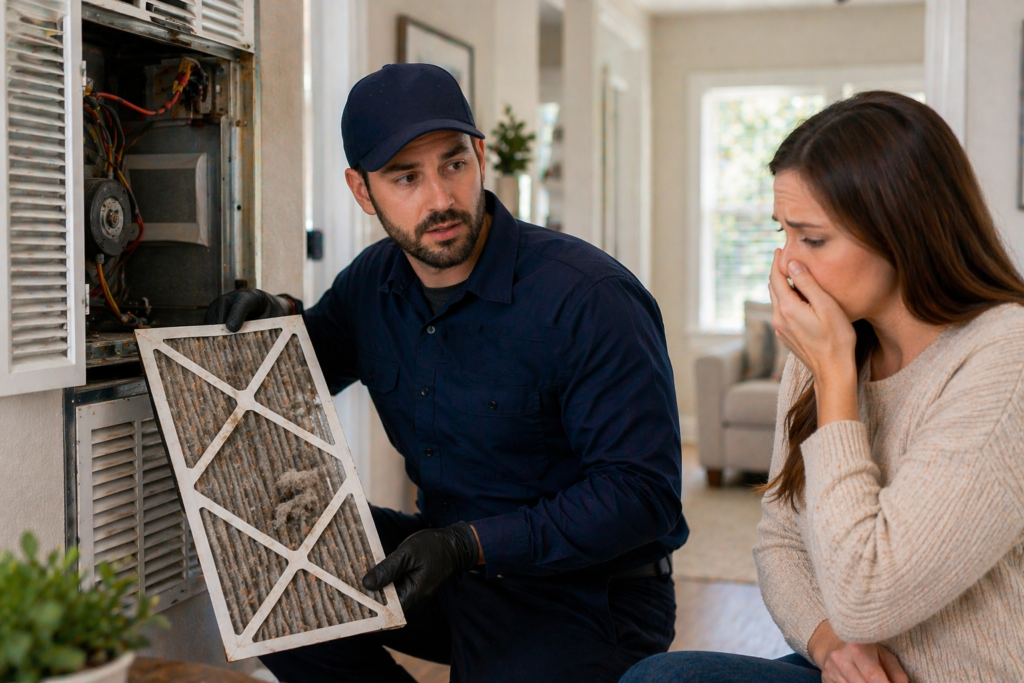
    A properly fitted filter captures a portion of the airborne particles before they enter the equipment. However, a dirty, damaged, incorrectly sized, or poorly installed filter may allow dust to bypass it.

    Dust circulation can also increase when:

    • Return ducts have gaps
    • The filter rack is not properly sealed
    • Remodeling work is underway
    • Supply ducts contain loose debris
    • Registers are dirty
    • The home has significant air leaks
    • The blower assembly is contaminated

    Visible dust around vents does not always mean the entire duct system needs cleaning. The source should be identified before choosing a service. Sometimes the real issue is filter bypass, return-air leakage, or ordinary household dust.

    Call Accurate Comfort HVAC at 714.325.7042 if you notice excessive dust along with weak airflow, unusual odors, or declining AC performance.

    💧 Humidity Can Make Indoor Air Uncomfortable

    Humidity strongly affects how indoor air feels. When moisture levels are high, perspiration evaporates less effectively, making the home feel warmer and stickier.

    Your air conditioner removes some moisture as warm indoor air passes over the cold evaporator coil. The condensed water flows into a drain pan and exits through a condensate line.

    Several HVAC problems can interfere with moisture removal:

    • Short cooling cycles
    • Oversized equipment
    • Dirty evaporator coils
    • Incorrect airflow
    • Drainage problems
    • Improper thermostat settings
    • Refrigerant issues
    • Poor system maintenance

    Lowering the thermostat may not correct the source of excessive humidity. It can increase energy use while leaving the home feeling clammy.

    A professional inspection can determine whether the air conditioner is cooling and dehumidifying properly.

    🦠 Excess Moisture Can Encourage Microbial Growth

    Moisture may collect in bathrooms, kitchens, laundry rooms, around plumbing leaks, near windows, or inside HVAC drainage components. When damp materials remain wet, they can support unwanted microbial growth.

    Warning signs may include:

    • Persistent musty odors
    • Visible discoloration
    • Condensation on windows
    • Damp surfaces
    • Water stains
    • Recurring drain problems
    • Moisture around the indoor AC unit

    The first step is to identify and correct the moisture source. Cleaning a visible area without fixing the leak, drainage problem, or humidity condition may allow the issue to return.

    Large or uncertain contamination concerns may require an appropriately qualified indoor environmental or remediation professional. HVAC service can address equipment-related moisture sources, but it is not a substitute for comprehensive remediation when extensive growth is present.

    ❄️ The Evaporator Coil Can Affect Air Quality

    The evaporator coil becomes cold during AC operation, so condensation naturally forms on its surface. Dust and debris may accumulate if filtration is inadequate or air bypasses the filter.

    A dirty coil can reduce heat transfer, restrict airflow, and create conditions where moisture and debris remain inside the equipment. This may contribute to odors and inefficient cooling.

    During professional maintenance, an HVAC technician can inspect accessible portions of the coil and determine whether cleaning is needed.

    Coil cleaning should be completed carefully. The fins are delicate, and inappropriate chemicals or high-pressure methods can damage the equipment.

    Maintaining a clean coil helps support cooling efficiency, airflow, and proper moisture removal.

    💧 A Clogged Condensate Drain Can Create Problems

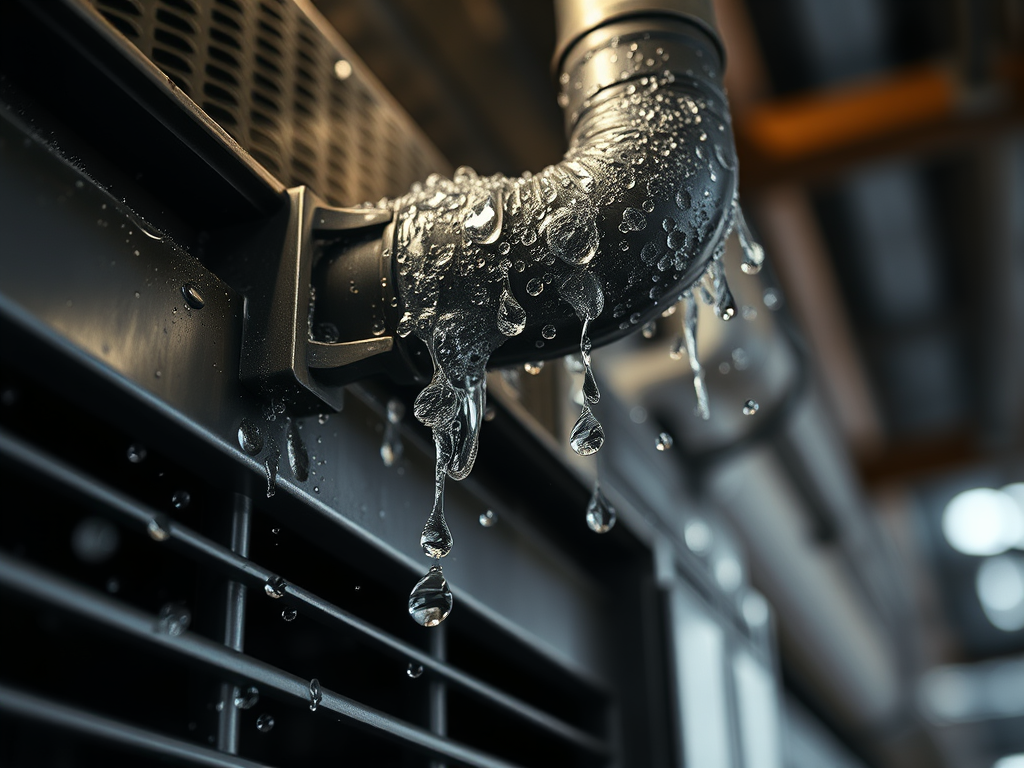
    The moisture removed by your air conditioner must drain away properly. Dust, algae, and sludge can collect inside the condensate line and create a blockage.

    A clogged line can cause water to:

    • Back up into the drain pan
    • Spill around the indoor equipment
    • Damage ceilings or flooring
    • Create damp odors
    • Trigger a safety switch
    • Shut down the cooling system

    Standing water near HVAC equipment should be addressed promptly, especially when it is close to electrical components.

    Routine AC maintenance may include inspecting or clearing accessible condensate drainage components. If you see water or notice musty odors near the indoor unit, contact Accurate Comfort HVAC for professional service.

    🔥 Outdoor Pollution Can Find Its Way Indoors

    Summer air may contain vehicle emissions, smoke, dust, ozone, and other pollutants. Outdoor air quality can vary from day to day depending on weather, traffic, wind, and regional fire conditions.

    These pollutants may enter through:

    • Open doors and windows
    • Gaps around the building
    • Exhaust systems
    • Attached garages
    • Unsealed ductwork
    • Normal ventilation

    When outdoor air quality is poor, keep doors and windows closed as much as practical and follow guidance from local public-health authorities.

    A portable air cleaner with an appropriately sized particle filter may be helpful in frequently occupied rooms. Whole-home filtration options may also be available, but they must be compatible with the HVAC system’s airflow requirements.

    🔥 Wildfire Smoke Requires Extra Precautions

    Smoke can contain very small particles that travel significant distances and enter homes through openings and air leakage.

    During a smoke event:

    • Keep windows and exterior doors closed
    • Avoid activities that create additional indoor particles
    • Use the HVAC system’s recirculation setting when appropriate
    • Replace dirty filters
    • Run a suitable portable air cleaner
    • Limit the use of exhaust fans when outdoor air is heavily polluted
    • Follow local health and emergency guidance

    Do not assume that the most restrictive HVAC filter will automatically provide the best result. If a filter creates too much resistance, it can reduce airflow and place additional strain on the system.

    An HVAC professional can help determine which filter types are appropriate for your equipment.

    🧪 Household Products Can Release Chemical Vapors

    Cleaning products, paints, adhesives, fragrances, pesticides, air fresheners, and new furnishings can release volatile organic compounds, often called VOCs.

    These compounds may accumulate more easily when a home remains closed for air-conditioning. Strong odors do not always indicate the exact level of exposure, and some pollutants may be present without an obvious smell.

    To reduce indoor chemical pollutants:

    • Follow product labels
    • Use products only as directed
    • Avoid mixing cleaning chemicals
    • Store chemicals in appropriate locations
    • Choose lower-emission products when possible
    • Increase safe ventilation during indoor projects
    • Remove pollutant sources when practical

    HVAC filters designed primarily for particles do not necessarily remove gases or chemical vapors. Source control and appropriate ventilation remain important.

    🍳 Cooking Can Add Particles and Moisture

    Cooking can release moisture, grease, odors, smoke, and very small particles into indoor air. Summer air-conditioning can circulate these pollutants beyond the kitchen.

    Use a range hood that vents outdoors when available, especially during frying, grilling, or high-temperature cooking. Allow it to operate long enough to remove lingering pollutants.

    If the range hood only recirculates air through a filter, clean or replace that filter according to the manufacturer’s directions. Recirculating hoods may help capture grease, but they generally do not remove moisture or pollutants as effectively as an exterior-vented system.

    Using outdoor cooking equipment outside and away from doors, windows, and air intakes may also reduce indoor heat and contaminants.

    🐾 Pets Can Affect Summer Air Quality

    Pets contribute hair, dander, odors, and particles tracked in from outdoors. During summer, shedding and outdoor activity can increase these contaminants.

    Helpful habits include:

    • Grooming pets regularly
    • Washing pet bedding
    • Vacuuming floors and upholstery
    • Cleaning entry areas
    • Checking the HVAC filter more frequently
    • Keeping pets away from outdoor AC equipment
    • Using an appropriately selected filter

    Pet owners may need to replace filters more often than the typical household. Check the filter monthly rather than relying entirely on a fixed schedule.

    🧰 Remodeling Can Overwhelm HVAC Filtration

    Summer home-improvement projects can release drywall dust, sawdust, paint vapors, insulation fibers, and other contaminants.

    Fine construction dust can enter the HVAC system, coat the evaporator coil, contaminate the blower assembly, and spread throughout the home.

    During remodeling:

    • Isolate the work area
    • Cover nearby supply and return openings appropriately
    • Avoid operating the HVAC system when heavy dust is being produced
    • Use dedicated dust-control equipment
    • Clean the area thoroughly
    • Check filters frequently
    • Follow safe ventilation practices

    Do not permanently block vents or operate equipment with inadequate airflow. Coordinate larger projects with your contractor and HVAC provider.

    🧹 Choosing the Right HVAC Filter

    A filter should capture airborne particles without creating excessive resistance for your HVAC system.

    Filters are often rated using MERV, which describes performance across different particle-size ranges. A higher rating can provide improved particle capture, but it may also restrict airflow if the system and filter cabinet are not designed for it.

    The ideal choice depends on:

    • HVAC equipment
    • Filter dimensions
    • Duct design
    • Blower capability
    • Household sensitivities
    • Pets
    • Indoor pollutant sources
    • Replacement frequency

    A filter that is properly sized, correctly installed, and changed regularly is generally better than a highly restrictive filter that is allowed to become clogged.

    Accurate Comfort HVAC can help identify an appropriate filtration option for your system.

    📏 Make Sure the Filter Fits Correctly

    Even an effective filter cannot perform properly when air flows around it instead of through it.

    Filter bypass can occur when:

    • The filter is too small
    • It is installed backward
    • The rack has large gaps
    • The filter is bent or damaged
    • The access panel does not close correctly
    • Multiple filters are incorrectly stacked

    Look for the airflow arrow printed on the filter frame and install it in the direction of airflow, generally toward the blower.

    If you are uncertain about the correct filter size or orientation, ask your HVAC technician during the next maintenance visit.

    🌀 Would an Air Purifier Help?

    Air purifiers can supplement good filtration and source control, but different products address different types of pollutants.

    Portable units may be useful in bedrooms, offices, or other frequently occupied rooms. Select a unit appropriately sized for the room and operate it according to the manufacturer’s instructions.

    Whole-home air-cleaning systems may integrate with HVAC equipment. Depending on the product, they may target airborne particles or provide other treatment methods.

    No air-cleaning device replaces necessary repairs, moisture control, source removal, cleaning, or ventilation. Be cautious with products that intentionally generate ozone, as ozone can irritate the respiratory system.

    Professional guidance can help you compare products and avoid installing equipment that interferes with HVAC airflow.

    🌬️ Ventilation Must Be Managed Carefully

    Ventilation introduces outdoor air and removes indoor pollutants. However, opening windows during the hottest part of the day can increase heat and humidity, making the air conditioner work harder.

    The best ventilation strategy depends on outdoor temperature, humidity, pollution, and the home’s design.

    Possible options include:

    • Opening windows during suitable outdoor conditions
    • Using properly vented kitchen and bathroom exhaust fans
    • Installing a balanced mechanical ventilation system
    • Controlling indoor pollutant sources
    • Sealing unintended duct and building leaks

    Mechanical ventilation equipment should be properly sized and integrated with the home’s HVAC system. Uncontrolled outdoor-air introduction can increase cooling demand and moisture problems.

    🛠️ AC Maintenance Supports Cleaner Indoor Air

    Routine air-conditioning maintenance can help correct equipment conditions that contribute to poor indoor air quality.

    A professional visit may include inspecting:

    • Filter condition and fit
    • Evaporator coil cleanliness
    • Blower components
    • Condensate drainage
    • Visible moisture
    • System airflow
    • Duct connections
    • Thermostat operation
    • Refrigerant performance
    • Cooling cycles

    Maintenance cannot remove every indoor pollutant. However, keeping the HVAC system clean, dry, and operating correctly can reduce preventable contamination and support effective filtration.

    ⚠️ Signs Your Indoor Air Quality Needs Attention

    Consider investigating your home’s air quality if you notice:

    • Persistent musty or chemical odors
    • Excessive dust around vents
    • Indoor humidity or condensation
    • Worsening allergy symptoms indoors
    • Visible moisture near HVAC equipment
    • Stale or stuffy rooms
    • Frequent filter clogging
    • Irritation that improves after leaving home
    • Water stains or recurring dampness
    • Smoke or outdoor pollutants entering the home

    Some symptoms may have causes unrelated to the home or HVAC system. Seek appropriate medical advice for persistent or severe health concerns.

    ☎️ Improve Summer Air Quality With Accurate Comfort HVAC

    Summer heat, longer cooling cycles, humidity, pollen, smoke, household activities, and closed windows can all affect the air inside your home.

    Better indoor air quality begins with controlling pollutant sources, managing moisture, using appropriate ventilation, and maintaining effective HVAC filtration. Professional AC maintenance can also help ensure that the cooling system moves air properly and drains moisture as intended.

    If you are concerned about the air in your Diamond Bar home, call Accurate Comfort HVAC at 714.325.7042. We can inspect your air-conditioning system and help you explore practical filtration, humidity-control, airflow, and maintenance solutions for a cleaner and more comfortable summer.

  • 🌞 Summer HVAC Efficiency Tips for Diamond Bar Homeowners

    By Accurate Comfort HVAC | Diamond Bar | 714.325.7042

    Summer HVAC Efficiency Tips for Diamond Bar Homeowners

    Summer in Diamond Bar brings rising temperatures and increased strain on home cooling systems. If your air conditioner isn’t managed properly, it can lead to higher energy bills, reduced comfort, and costly repairs. The good news is that a few simple adjustments can dramatically improve your HVAC system’s efficiency while keeping your home cool and comfortable all season long.

    In this guide, we’ll cover the most effective ways homeowners can maximize their HVAC performance during the hottest months of the year.

    ❄️ Replace Air Filters Regularly

    One of the simplest and most important maintenance tasks is replacing your HVAC air filter.

    A dirty filter restricts airflow, forcing your system to work harder than necessary. This increases energy consumption and places additional wear on critical components.

    Benefits of Clean Filters:

    • Improved airflow
    • Better indoor air quality
    • Lower energy bills
    • Extended HVAC lifespan
    • Enhanced cooling performance

    During peak summer months, check your air filter every 30 days and replace it when needed.

    🌡️ Set Your Thermostat Strategically

    Your thermostat settings can have a major impact on cooling costs.

    For maximum efficiency:

    • Set the thermostat to 78°F when home
    • Increase the temperature when away
    • Avoid drastic temperature adjustments
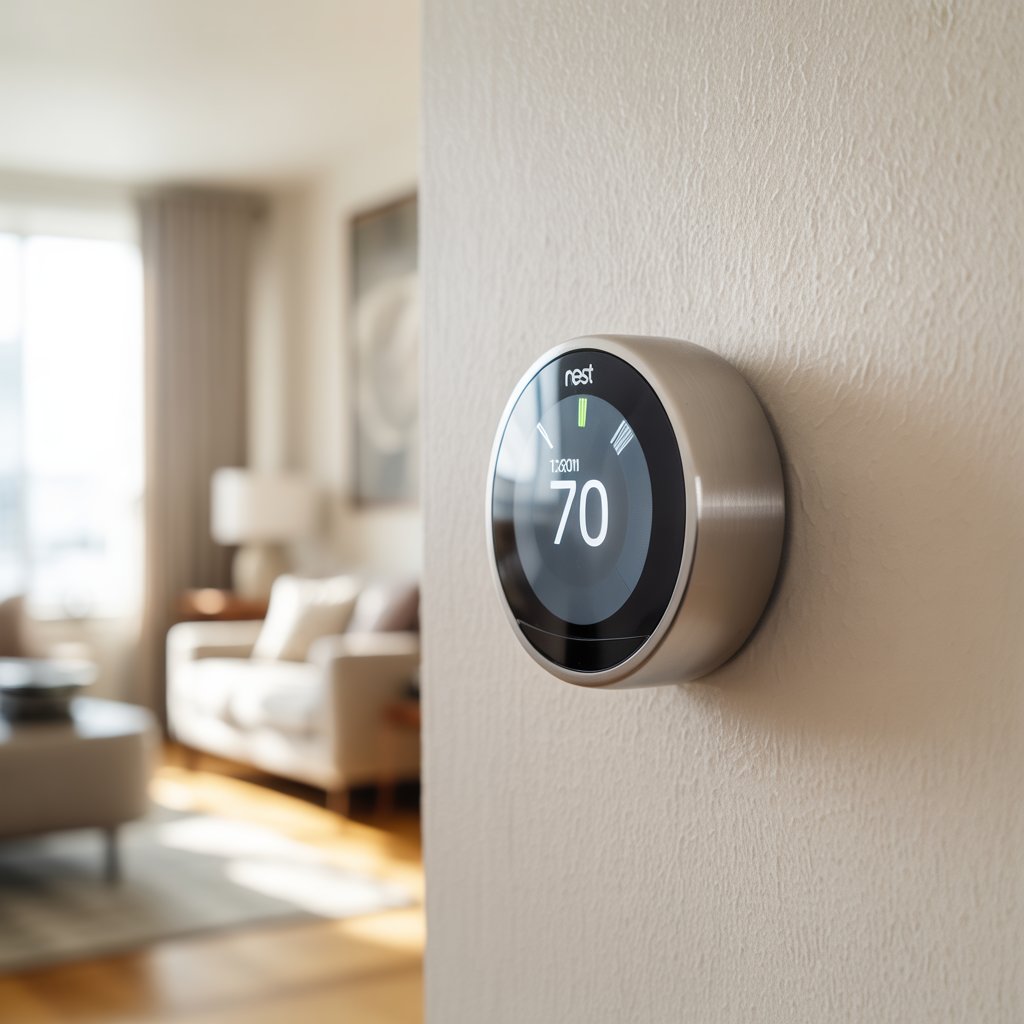
    • Consider a programmable or smart thermostat

    Many homeowners mistakenly lower the thermostat to extremely low temperatures hoping to cool the home faster. In reality, your AC system cools at the same rate regardless of the setting.

    Using a smart thermostat helps optimize cooling schedules automatically and can significantly reduce utility costs.

    ☀️ Keep Heat Out of Your Home

    The less heat entering your home, the less your HVAC system has to work.

    Helpful Strategies:

    • Close blinds during the hottest part of the day
    • Use blackout curtains
    • Seal gaps around doors and windows
    • Install weather stripping
    • Limit oven use during afternoon hours

    Reducing heat gain can noticeably improve indoor comfort while lowering cooling expenses.

    🧹 Maintain Outdoor Condenser Units

    Your outdoor condenser needs adequate airflow to operate efficiently.

    Over time, leaves, dirt, weeds, and debris can accumulate around the unit.

    Maintenance Tips:

    • Keep at least 2 feet of clearance around the unit
    • Remove vegetation regularly
    • Wash condenser coils gently with a hose
    • Check for obstructions after storms

    A clean condenser allows your system to release heat effectively and operate at peak efficiency.

    💨 Use Ceiling Fans to Support Cooling

    Ceiling fans don’t lower room temperature, but they help people feel cooler through improved air circulation.

    Running ceiling fans can allow you to raise your thermostat setting by several degrees without sacrificing comfort.

    Summer Fan Direction:

    Set ceiling fans to rotate counterclockwise during summer months. This pushes cool air downward and creates a wind-chill effect.

    🔧 Schedule Preventive HVAC Maintenance

    Routine maintenance is one of the best investments you can make for your cooling system.

    Professional tune-ups help identify minor issues before they become expensive breakdowns.

    A Professional Inspection Includes:

    • Checking refrigerant levels
    • Cleaning coils
    • Testing electrical components
    • Inspecting ductwork
    • Calibrating thermostats
    • Lubricating moving parts

    Regular maintenance helps maintain energy efficiency, improve reliability, and extend equipment life.

    For professional HVAC inspections in Diamond Bar, call Accurate Comfort HVAC at 714.325.7042.

    🚪 Seal Air Leaks

    Many homes lose significant amounts of conditioned air through leaks around windows, doors, and attic spaces.

    Air leaks force your HVAC system to work harder to maintain desired temperatures.

    Common Leak Locations:

    • Window frames
    • Door thresholds
    • Attic access points
    • Plumbing penetrations
    • Electrical outlets on exterior walls

    Proper sealing can dramatically improve cooling efficiency and indoor comfort.

    🏠 Consider Zoning Solutions

    Not every room in your home requires the same amount of cooling.

    HVAC zoning systems allow homeowners to cool specific areas independently.

    Advantages:

    • Reduced energy waste
    • Increased comfort
    • Better temperature control
    • Lower utility costs

    This is especially beneficial for larger Diamond Bar homes with multiple stories.

    📱 Upgrade to Smart HVAC Technology

    Modern HVAC systems offer advanced controls that maximize efficiency.

    Smart technologies can:

    • Learn household habits
    • Adjust temperatures automatically
    • Monitor energy usage
    • Send maintenance reminders
    • Improve overall system performance

    Homeowners who upgrade often experience significant long-term savings.

    🚨 Watch for Warning Signs

    Ignoring small HVAC problems often leads to larger repairs later.

    Contact a Professional If You Notice:

    • Weak airflow
    • Warm air coming from vents
    • Unusual noises
    • Frequent cycling
    • Rising utility bills
    • Uneven temperatures

    Addressing problems early helps avoid emergency breakdowns during peak summer heat.

    ☎️ Keep Your HVAC Running Efficiently This Summer

    Managing your HVAC system efficiently during the summer doesn’t have to be complicated. By replacing filters, maintaining equipment, sealing air leaks, and scheduling professional service, you can enjoy a cooler home while keeping energy costs under control.

    If your air conditioner isn’t performing as it should, the experts at Accurate Comfort HVAC are ready to help.

    Call Accurate Comfort HVAC Today

    📞 714.325.7042

    Serving homeowners throughout Diamond Bar with professional HVAC maintenance, repairs, installations, and energy-efficiency solutions.
  • 🏠 How to Improve Indoor Air Quality During Summer

    By Accurate Comfort HVAC | Serving Brea, Diamond Bar & Surrounding Areas | 714.325.7042

    How to Improve Indoor Air Quality During Summer

    As summer temperatures rise across Brea, Diamond Bar, and surrounding Southern California communities, homeowners often spend more time indoors with windows closed and air conditioning systems running constantly. While your HVAC system helps keep your home cool, it also plays a major role in your home’s indoor air quality.

    Poor indoor air quality can affect comfort, health, and even HVAC performance. Dust, allergens, pet dander, mold spores, and airborne pollutants can circulate throughout your home if your system is not properly maintained.

    At Accurate Comfort HVAC, we help homeowners improve indoor air quality while maximizing HVAC efficiency during the hottest months of the year.


    🌬️ Why Indoor Air Quality Matters During Summer

    Many homeowners assume outdoor pollution is the only air quality concern. However, indoor air can sometimes contain even higher concentrations of contaminants than outdoor air.

    During summer, homes are often sealed tightly to keep cool air inside. While this improves energy efficiency, it can also trap pollutants indoors.

    Common indoor air pollutants include:

    • Dust
    • Pet dander
    • Mold spores
    • Pollen
    • Bacteria
    • Smoke particles
    • Volatile organic compounds (VOCs)

    Poor air circulation combined with high summer HVAC usage can make these issues worse.


    ❄️ Your HVAC System Directly Impacts Air Quality

    Your HVAC system continuously circulates air throughout your home. If the system is dirty or poorly maintained, it can spread contaminants into every room.

    A neglected HVAC system may contain:

    • Dirty air filters
    • Dust buildup
    • Mold growth
    • Contaminated ductwork
    • Dirty evaporator coils

    Routine HVAC maintenance helps improve both cooling performance and indoor air quality.


    🧹 Replace Air Filters Regularly

    One of the easiest ways to improve indoor air quality is replacing your HVAC air filter consistently.

    Dirty filters allow pollutants to circulate throughout your home and restrict airflow, causing your system to work harder.

    Benefits of clean air filters include:

    • Better airflow
    • Reduced dust buildup
    • Improved cooling efficiency
    • Cleaner indoor air
    • Reduced allergen circulation

    Most homeowners should replace filters every 1–3 months depending on:

    • Pets
    • Allergies
    • Home size
    • Dust levels
    • Filter type

    During heavy summer AC usage, checking filters monthly is highly recommended.


    🌡️ Control Indoor Humidity Levels

    High humidity can make your home feel uncomfortable even when temperatures are cool.

    Excess indoor humidity may contribute to:

    • Mold growth
    • Mildew odors
    • Dust mites
    • Poor air quality
    • Increased allergy symptoms

    Your air conditioner naturally removes some humidity from indoor air, but additional humidity control may be necessary during warmer months.

    Whole-home dehumidifiers can help maintain healthier humidity levels while improving overall comfort.


    🏠 Clean Air Ducts Improve Air Circulation

    Over time, dust and debris can build up inside your ductwork and circulate through your home whenever the HVAC system runs.

    Dirty ducts may contribute to:

    • Excessive dust
    • Allergy irritation
    • Musty odors
    • Poor airflow
    • Reduced HVAC efficiency

    Professional duct cleaning services can help improve airflow and reduce airborne contaminants throughout your home.

    Homeowners who recently completed remodeling projects or have older duct systems may benefit significantly from duct inspections.


    ☀️ UV Air Purification Systems Help Eliminate Contaminants

    Many homeowners are now upgrading their HVAC systems with UV air purification systems.

    These systems help reduce:

    • Airborne bacteria
    • Mold spores
    • Viruses
    • Odors
    • Biological contaminants

    UV lights are typically installed directly within the HVAC system to help sanitize circulating air and keep evaporator coils cleaner.

    This added layer of protection can significantly improve overall indoor air quality.


    🐾 Pet Dander and Allergens Increase During Summer

    Summer often means more outdoor activity, pets tracking allergens indoors, and increased pollen levels throughout Southern California.

    Pet dander and seasonal allergens can quickly accumulate inside homes, especially when windows remain closed.

    Ways to reduce allergens include:

    • Changing filters regularly
    • Vacuuming frequently
    • Grooming pets consistently
    • Cleaning vents and registers
    • Using high-efficiency air filtration systems

    Improving HVAC air filtration can make a noticeable difference for allergy sufferers.


    🔄 Proper Ventilation Matters

    Many homeowners focus only on cooling while overlooking the importance of proper ventilation.

    Without adequate airflow exchange, indoor pollutants can become trapped inside your home.

    Proper ventilation helps:

    • Remove stale air
    • Improve air circulation
    • Reduce indoor contaminants
    • Control humidity
    • Improve comfort

    Modern HVAC solutions can improve ventilation while maintaining energy efficiency.


    ⚡ Dirty HVAC Systems Reduce Efficiency

    Indoor air quality and HVAC efficiency go hand in hand.

    Dirty HVAC components force your system to work harder, which can increase:

    • Energy bills
    • Equipment wear
    • Cooling problems
    • Indoor dust circulation

    Professional air conditioning maintenance helps keep system components clean and operating efficiently during peak summer temperatures.


    🛠️ Benefits of Professional HVAC Maintenance

    Routine maintenance is one of the best ways to improve indoor comfort and air quality year-round.

    Professional HVAC inspections can identify:

    • Dirty coils
    • Airflow restrictions
    • Duct leaks
    • Mold concerns
    • Worn components
    • Poor filtration performance

    Preventative maintenance also helps reduce the risk of costly summer breakdowns.


    🌬️ Create a Healthier Home This Summer

    Improving your home’s indoor air quality can make your living space cleaner, healthier, and more comfortable during the summer season.

    At Accurate Comfort HVAC, we proudly help homeowners throughout Brea, Diamond Bar, and surrounding areas improve:

    • Indoor air quality
    • HVAC efficiency
    • Air filtration
    • Cooling performance
    • Whole-home comfort

    Whether you need HVAC maintenance, duct inspections, air purification upgrades, or cooling system service, our experienced team is ready to help.

    Call 714.325.7042 today to schedule professional HVAC service and improve your home’s air quality before summer temperatures peak.


    📞 Accurate Comfort HVAC

    Serving Brea, Diamond Bar, and surrounding Southern California communities with trusted heating, cooling, and indoor air quality solutions.

    Call 714.325.7042 today for expert HVAC maintenance, air conditioning service, and indoor air quality improvements.

  • 🏠 The Complete Homeowner’s Guide to HVAC Systems in Brea

    By Accurate Comfort HVAC | Brea | 714.325.7042

    The Complete Homeowner’s Guide to HVAC Systems in Brea

    Your HVAC system is one of the most important—and most expensive—systems in your home. Yet for many homeowners, it remains a bit of a mystery.

    How does it work? How do you maintain it? When should you repair or replace it?

    This guide brings everything together. Whether you’re trying to lower energy bills, improve comfort, or avoid costly repairs, understanding your HVAC system puts you in control.

    If you ever need expert help, call Accurate Comfort HVAC at 714.325.7042 for trusted HVAC service in Brea.


    🌡️ What Is an HVAC System?

    HVAC stands for Heating, Ventilation, and Air Conditioning.

    Your system is responsible for:

    • Controlling indoor temperature
    • Circulating air throughout your home
    • Maintaining indoor air quality

    It’s not just about comfort—it’s about creating a livable, healthy environment.


    🔧 Main Components of Your HVAC System

    Understanding the basic parts helps you better maintain your system.


    ❄️ Air Conditioner

    Your AC removes heat from inside your home and releases it outdoors.

    Key Parts:

    • Compressor
    • Condenser coil
    • Evaporator coil

    🔥 Heating System

    Your heating system provides warmth when temperatures drop.

    Common Types:

    • Furnaces
    • Heat pumps

    🌬️ Ductwork

    Ducts distribute air throughout your home.

    If ducts are leaking or blocked, your system loses efficiency.


    🌡️ Thermostat

    The thermostat controls your system’s operation.

    It tells your HVAC system when to turn on and off.


    🔄 Air Filters

    Filters trap dust and particles, improving air quality and protecting your system.


    ⚙️ How Your HVAC System Works

    While systems vary, the basic process is simple:

    1. Thermostat detects temperature changes
    2. System turns on to heat or cool
    3. Air is circulated through ducts
    4. System shuts off once the desired temperature is reached

    When everything is working properly, this process is smooth and efficient.


    ⚠️ Common HVAC Problems Homeowners Face

    Even well-maintained systems can experience issues.

    🔧 Frequent Repairs

    Often caused by wear and tear or lack of maintenance.

    🌡️ Inconsistent Temperatures

    May indicate airflow or duct issues.

    📈 High Energy Bills

    Usually a sign of inefficiency.

    🔊 Strange Noises

    Often point to mechanical problems.

    🌬️ Weak Airflow

    Can be caused by clogged filters or duct issues.


    🛠️ HVAC Maintenance Basics

    Routine maintenance is essential for keeping your system running properly.


    🔄 Replace Air Filters Regularly

    • Every 1–3 months
    • Improves airflow and efficiency

    🧽 Keep Components Clean

    Dust and debris can reduce performance and cause damage.


    🛠️ Schedule Professional Maintenance

    At least twice per year for optimal performance.

    Call 714.325.7042 to schedule HVAC maintenance in Brea.


    🌬️ Check Airflow

    Ensure vents are open and unobstructed.


    💡 How to Improve HVAC Efficiency

    Improving efficiency saves money and extends system life.


    🌡️ Use Smart Thermostat Settings

    Avoid extreme settings and unnecessary adjustments.


    🏠 Seal Air Leaks

    Prevent conditioned air from escaping.


    ⚡ Upgrade When Necessary

    Older systems use more energy and cost more to operate.


    📊 Monitor System Performance

    Pay attention to changes and address issues early.


    ⏳ When to Repair vs Replace

    One of the most important decisions homeowners face.

    Repair If:

    • System is newer
    • Issue is minor
    • Costs are reasonable

    Replace If:

    • System is older
    • Repairs are frequent
    • Efficiency has declined

    A professional evaluation helps you make the right call.


    🌿 The Importance of Indoor Air Quality

    Your HVAC system plays a major role in the air you breathe.

    Improving air quality can:

    • Reduce allergens
    • Improve comfort
    • Create a healthier home

    🏡 Why Brea Homeowners Choose Accurate Comfort HVAC

    When it comes to HVAC service in Brea, experience and trust matter.

    Homeowners choose Accurate Comfort HVAC because we provide:

    • Honest recommendations
    • Professional service
    • Reliable repairs and installations
    • Long-term comfort solutions

    We’re here to help you get the most out of your system.


    📞 Your Trusted HVAC Partner in Brea

    Whether you need maintenance, repairs, or a full system upgrade, having a trusted HVAC provider makes all the difference.

    Call Accurate Comfort HVAC at 714.325.7042 for expert HVAC service in Brea. We’re here to keep your home comfortable, efficient, and running smoothly year-round.

  • 🔄 Short Cycling HVAC: Why Your System Keeps Turning On and Off

    By Accurate Comfort HVAC | Brea | 714.325.7042

    Short Cycling HVAC: Why Your System Keeps Turning On and Off

    If your HVAC system turns on, runs briefly, then shuts off—only to repeat the cycle again and again—you’re likely dealing with short cycling.

    At first, it might seem like a minor annoyance. But over time, short cycling can lead to higher energy bills, poor comfort, and serious damage to your system.

    Understanding what’s causing it is the first step toward fixing it.

    If your system isn’t running properly, call Accurate Comfort HVAC at 714.325.7042 for expert HVAC repair in Brea.


    ⚠️ What Is Short Cycling?

    Short cycling occurs when your HVAC system turns on and off too frequently without completing a full heating or cooling cycle.

    Instead of running long enough to properly condition your home, it shuts down early—then starts again shortly after.


    🚨 Why Short Cycling Is a Problem

    Short cycling isn’t just inefficient—it can cause long-term damage.

    ❌ Increased Energy Bills

    Your system uses more energy starting up than running continuously.

    ❌ Excess Wear and Tear

    Frequent starts put stress on components.

    ❌ Reduced Comfort

    Your home may never reach a consistent temperature.

    ❌ Shortened System Lifespan

    Over time, this pattern can lead to premature system failure.


    🔍 Common Causes of Short Cycling

    There isn’t just one reason this happens—several issues can lead to short cycling.


    🌬️ Dirty Air Filter

    A clogged filter restricts airflow, causing your system to overheat and shut down early.

    Solution:

    Replace your air filter and monitor system performance.


    🌡️ Thermostat Problems

    If your thermostat is malfunctioning or poorly placed, it may signal your system to shut off too soon.

    Common Issues:

    • Incorrect temperature readings
    • Poor placement (near vents or sunlight)
    • Faulty wiring

    📏 Oversized HVAC System

    This is one of the most common causes.

    An oversized system cools or heats your home too quickly, then shuts off before completing a full cycle.

    Result:

    • Frequent cycling
    • Poor humidity control
    • Uneven temperatures

    🧊 Refrigerant Issues

    Low refrigerant levels or leaks can disrupt system operation.

    This can cause your system to shut down prematurely.


    ⚡ Electrical or Component Problems

    Faulty components can interfere with normal system operation.

    Possible Issues:

    • Failing compressor
    • Electrical malfunctions
    • Sensor problems

    🌬️ Airflow Restrictions

    Blocked vents, dirty coils, or duct issues can prevent proper airflow.

    This can cause your system to overheat and shut down.


    🛠️ How to Fix Short Cycling

    The solution depends on the cause—but here are the key steps.


    🔄 Replace Your Air Filter

    Start with the simplest fix.

    A clean filter improves airflow and may resolve the issue.


    🌡️ Check Your Thermostat

    Ensure it’s:

    • Working properly
    • Set correctly
    • Installed in a good location

    🌬️ Inspect Airflow

    Make sure vents are open and not blocked.


    📞 Schedule a Professional Inspection

    If the issue continues, call Accurate Comfort HVAC at 714.325.7042.

    A technician can diagnose the root cause and recommend the right solution.


    💡 Preventing Short Cycling

    Preventive care helps avoid this issue.

    🔄 Replace Filters Regularly

    Maintain proper airflow.

    🛠️ Schedule Routine Maintenance

    Catch issues early.

    📏 Ensure Proper System Sizing

    Avoid oversized systems.

    📊 Monitor System Behavior

    Address unusual patterns quickly.


    🌿 Why Proper System Operation Matters

    Your HVAC system is designed to run in balanced cycles.

    When that balance is disrupted:

    • Efficiency drops
    • Comfort suffers
    • Costs increase

    Fixing short cycling restores both performance and reliability.


    🏡 Why Brea Homeowners Choose Accurate Comfort HVAC

    When dealing with HVAC performance issues in Brea, experience matters.

    Homeowners trust Accurate Comfort HVAC because we provide:

    • Accurate diagnostics
    • Honest recommendations
    • Professional repairs
    • Long-term solutions—not temporary fixes

    We focus on getting your system back to normal—and keeping it that way.


    📞 Stop Short Cycling Before It Gets Worse

    If your HVAC system keeps turning on and off, don’t ignore it.

    Call Accurate Comfort HVAC at 714.325.7042 for expert HVAC repair in Brea. We’ll identify the issue and restore efficient, reliable performance.


  • 🌀 What Is SEER Rating? (And Why It Matters for Your Brea HVAC System)

    By Accurate Comfort HVAC | Brea | 714.325.7042

    What Is SEER Rating? (And Why It Matters for Your Brea HVAC System)

    If you’ve ever looked into buying a new air conditioning system, you’ve probably seen the term SEER rating—but what does it actually mean?

    More importantly, how does it affect your comfort, your energy bills, and your long-term costs?

    Understanding SEER ratings can help you make a smarter decision when upgrading your HVAC system—and avoid overpaying for energy month after month.

    If you’re considering a system upgrade, call Accurate Comfort HVAC at 714.325.7042 for expert AC installation in Brea.


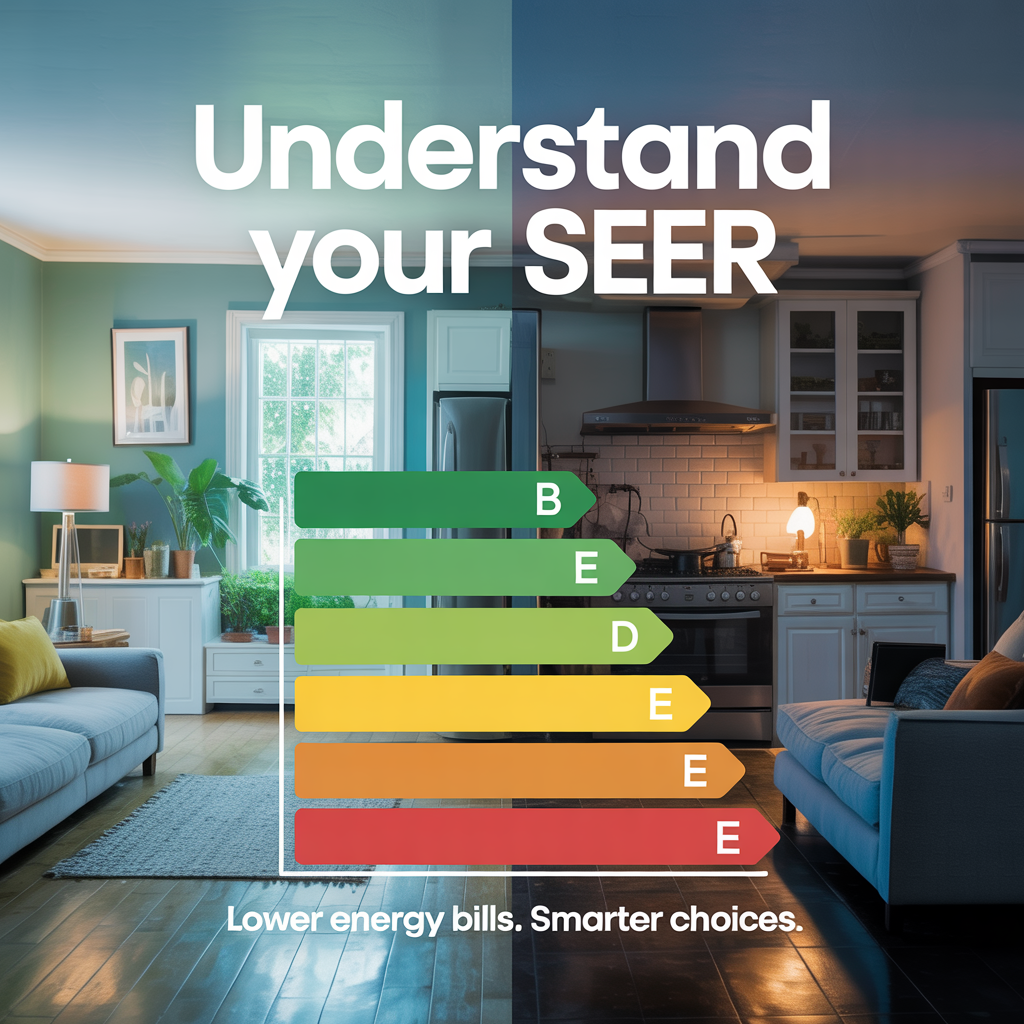
    📊 What Does SEER Mean?

    SEER stands for Seasonal Energy Efficiency Ratio.

    It measures how efficiently your air conditioning system operates over time.

    In Simple Terms:

    SEER compares how much cooling your system provides versus how much energy it uses.

    • Higher SEER = More efficient system
    • Lower SEER = Less efficient system

    The higher the number, the less energy your system needs to keep your home comfortable.


    🌡️ Why SEER Rating Matters

    Your AC system runs frequently in Brea—so efficiency has a direct impact on your energy bills.

    A higher SEER rating means:

    • Lower monthly energy costs
    • Reduced system strain
    • Improved long-term performance

    Over time, these benefits can add up to significant savings.


    ⚖️ Standard vs High-Efficiency Systems

    Not all systems are created equal.


    🔹 Standard Efficiency (SEER 13–15)

    • Lower upfront cost
    • Basic efficiency
    • Higher long-term energy usage

    🔹 Mid-Range Efficiency (SEER 16–18)

    • Balanced cost and efficiency
    • Lower energy bills
    • Popular choice for many homeowners

    🔹 High Efficiency (SEER 19+)

    • Higher upfront investment
    • Maximum energy savings
    • Best long-term performance

    💰 How SEER Affects Your Energy Bills

    Even small differences in SEER ratings can impact your monthly costs.

    Example:

    Upgrading from a SEER 13 system to SEER 18 can reduce cooling energy usage by up to 30–40%.

    That means:

    • Lower utility bills
    • Faster return on investment
    • Long-term savings

    🏠 What SEER Rating Is Best for Brea Homes?

    The ideal SEER rating depends on your goals and budget.

    💡 Recommended Range:

    For most homes in Brea, a SEER 16–18 system offers the best balance between cost and efficiency.

    Consider Higher SEER If:

    • You plan to stay in your home long-term
    • You want maximum energy savings
    • Your current energy bills are high

    ⚠️ Is Higher SEER Always Better?

    Not always.

    While higher SEER systems are more efficient, they also cost more upfront.

    The key is finding the right balance between:

    • Initial investment
    • Energy savings
    • Usage patterns

    A professional evaluation can help determine what makes the most sense for your home.


    🔧 Other Factors That Impact Efficiency

    SEER rating is important—but it’s not the only factor.

    Your system’s real-world performance also depends on:

    📏 Proper Sizing

    An incorrectly sized system won’t perform efficiently—no matter the SEER rating.

    🛠️ Installation Quality

    Poor installation can reduce efficiency and system lifespan.

    🌬️ Ductwork Condition

    Leaky ducts can waste energy and reduce performance.

    🔄 Maintenance

    Regular service keeps your system operating at peak efficiency.


    💡 When Should You Upgrade Your System?

    If your current AC is:

    • Over 10–15 years old
    • Struggling to cool your home
    • Causing high energy bills

    …it may be time to consider a higher-efficiency replacement.


    🌿 Long-Term Value of High-Efficiency Systems

    While high-SEER systems cost more upfront, they often deliver:

    • Lower operating costs
    • Fewer repairs
    • Longer system lifespan
    • Better overall comfort

    For many homeowners, the long-term savings outweigh the initial investment.


    🏡 Why Brea Homeowners Choose Accurate Comfort HVAC

    When it comes to choosing the right AC system in Brea, expertise matters.

    Homeowners trust Accurate Comfort HVAC because we provide:

    • Honest efficiency recommendations
    • Accurate system sizing
    • Professional installation
    • Long-term performance solutions

    We help you choose the system that delivers the best value—not just the highest rating.


    📞 Upgrade to a More Efficient AC System Today

    If you’re ready to lower your energy bills and improve your comfort, upgrading to a higher SEER system is a smart move.

    Call Accurate Comfort HVAC at 714.325.7042 for expert AC installation in Brea. We’ll help you choose the right system and maximize your home’s efficiency.

  • 🧰 HVAC Repair vs Replacement: How to Know Which Is Right for Your Brea Home

    By Accurate Comfort HVAC | Brea | 714.325.7042

    HVAC Repair vs Replacement: How to Know Which Is Right for Your Brea Home

    At some point, every homeowner faces the same question: Should I repair my HVAC system—or replace it?

    It’s not always an easy decision. Repairs can seem like the cheaper option upfront, but repeated fixes can add up quickly. On the other hand, replacement is a bigger investment—but it can save money and improve comfort over time.

    The key is knowing when each option makes sense.

    If you’re unsure what your system really needs, call Accurate Comfort HVAC at 714.325.7042 for honest, expert guidance in Brea.


    ⚖️ Why This Decision Matters

    Choosing between repair and replacement isn’t just about cost—it affects:

    • Your long-term energy bills
    • Your home’s comfort
    • System reliability
    • Future repair expenses

    Making the right decision now can save you thousands over time.


    🔧 When HVAC Repair Makes Sense

    Not every issue requires a full system replacement. In many cases, repairs are the smarter option.


    ✅ Your System Is Relatively New

    If your HVAC system is under 8–10 years old, repairs are usually the better choice.

    Newer systems still have plenty of life left, and fixing minor issues can restore full performance.


    💡 The Repair Is Minor

    Simple issues like:

    • Thermostat problems
    • Capacitor replacements
    • Minor electrical fixes

    …can often be resolved quickly and affordably.


    💰 Repair Costs Are Reasonable

    A good rule of thumb:

    If the repair cost is less than 30–40% of replacement cost, repair is typically the better option.


    🔄 Your System Has Been Reliable

    If your system hasn’t required frequent repairs in the past, a one-time fix is usually worth it.


    ⚠️ When HVAC Replacement Is the Better Choice

    There comes a point when replacing your system is the smarter long-term investment.


    ⏳ Your System Is Older

    If your system is:

    • 10–15+ years old (AC)
    • 12–20+ years old (heating)

    …it may be nearing the end of its lifespan.

    Older systems are less efficient and more prone to failure.


    🔁 Frequent Repairs

    If you’re calling for service multiple times a year, repair costs can quickly exceed the value of the system.

    Repeated breakdowns are a strong sign it’s time to replace.


    📈 Rising Energy Bills

    Older or inefficient systems use more energy to deliver the same results.

    A new system can significantly reduce your monthly costs.


    🌡️ Poor Comfort or Performance

    If your system struggles with:

    • Uneven temperatures
    • Weak airflow
    • Inconsistent cooling

    …it may no longer be able to meet your home’s needs.


    💸 The “50% Rule”

    A widely used guideline:

    If a repair costs 50% or more of a new system, replacement is usually the better investment.


    💡 Long-Term Cost Comparison

    Repair:

    • Lower upfront cost
    • May require additional repairs later
    • Doesn’t improve efficiency

    Replacement:

    • Higher upfront investment
    • Lower energy bills
    • Improved comfort and reliability
    • Fewer future repairs

    Looking beyond the immediate cost often reveals the better long-term value.


    🌿 Benefits of Replacing Your HVAC System

    Upgrading your system offers several advantages.

    ✅ Improved Energy Efficiency

    Modern systems use less energy to maintain comfort.

    ✅ Lower Utility Bills

    Reduced energy usage means long-term savings.

    ✅ Better Comfort

    Consistent temperatures and improved airflow.

    ✅ Increased Home Value

    Energy-efficient upgrades are attractive to buyers.


    🛠️ Why Professional Evaluation Matters

    Every home and system is different.

    A professional evaluation considers:

    • System age and condition
    • Repair history
    • Efficiency levels
    • Home comfort needs

    At Accurate Comfort HVAC, we provide honest recommendations—whether that means repair or replacement.


    🏡 Why Brea Homeowners Choose Accurate Comfort HVAC

    When it comes to HVAC repair and replacement in Brea, trust matters.

    Homeowners choose Accurate Comfort HVAC because we provide:

    • Honest, no-pressure recommendations
    • Accurate system diagnostics
    • Professional repairs and installations
    • Long-term solutions—not quick fixes

    We help you make the decision that truly benefits your home.


    📞 Get Expert Help Deciding What’s Right

    If your HVAC system is acting up and you’re not sure what to do next, don’t guess.

    Call Accurate Comfort HVAC at 714.325.7042 for expert HVAC service in Brea. We’ll evaluate your system and help you choose the most cost-effective, reliable solution.


  • 🏡 Is Your HVAC System Ready for Summer? A Brea Homeowner’s Checklist

    By Accurate Comfort HVAC | Brea | 714.325.7042

    Is Your HVAC System Ready for Summer? A Brea Homeowner’s Checklist

    As temperatures rise in Brea, your air conditioning system becomes one of the most important parts of your home. The last thing you want is for your AC to struggle—or worse, fail—when you need it most.

    The key to avoiding problems is preparation.

    Getting your HVAC system ready ahead of heavy usage helps ensure reliable performance, lower energy bills, and consistent comfort throughout your home.

    If you want to make sure your system is ready, call Accurate Comfort HVAC at 714.325.7042 for a professional AC tune-up in Brea.


    🌡️ Why Preparing Your HVAC System Matters

    Your AC system works hard during warmer months. If it hasn’t been checked recently, small issues can quickly turn into bigger problems.

    Preparing your system helps:

    • Improve efficiency
    • Prevent unexpected breakdowns
    • Extend system lifespan
    • Maintain consistent cooling

    A little preparation now can save you from major repairs later.


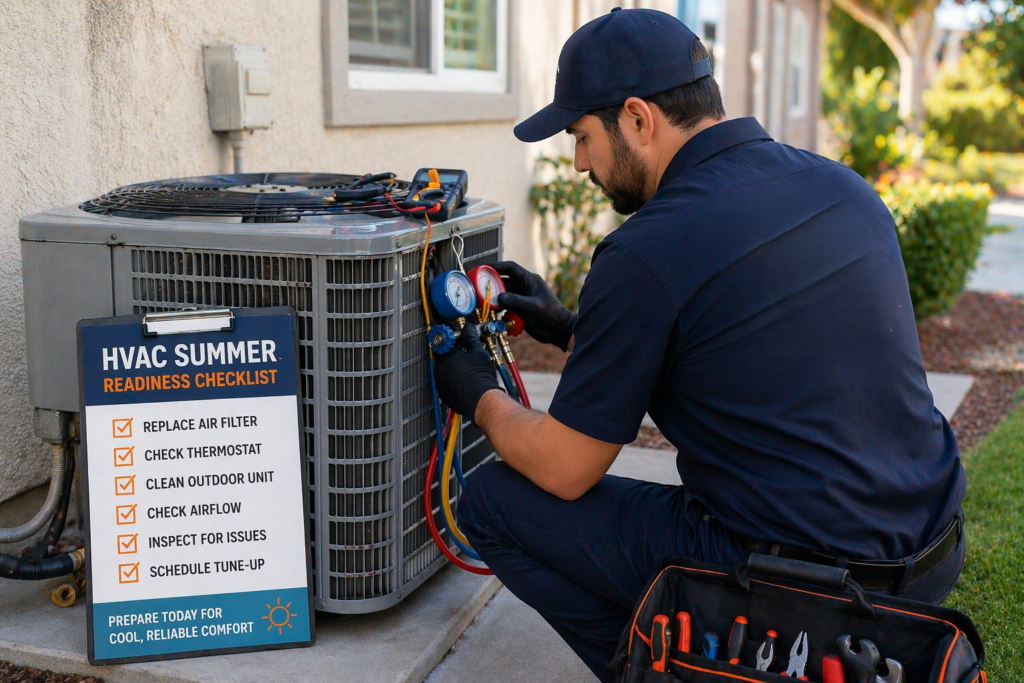
    ✅ Your HVAC Summer Readiness Checklist

    Before peak usage begins, go through this checklist to make sure your system is ready.


    🔄 Replace or Clean Air Filters

    This is one of the easiest and most important steps.

    Why It Matters:

    • Improves airflow
    • Reduces system strain
    • Enhances air quality

    Check your filter and replace it if it’s dirty—ideally every 1–3 months.


    🌬️ Check Vents and Airflow

    Walk through your home and inspect all vents and registers.

    What to Look For:

    • Blocked vents
    • Furniture restricting airflow
    • Weak airflow in certain rooms

    Ensuring proper airflow helps your system cool your home evenly.


    🌀 Clean Around the Outdoor Unit

    Your outdoor condenser needs space to function properly.

    Make Sure:

    • Leaves and debris are cleared
    • At least 2 feet of space surrounds the unit
    • The unit is free from dirt buildup

    Restricted airflow can reduce efficiency and performance.


    🌡️ Test Your Thermostat

    Before temperatures peak, test your system.

    Check:

    • Does your AC turn on properly?
    • Is it reaching the set temperature?
    • Are there any delays or unusual behavior?

    If something feels off, it’s better to address it early.


    🔍 Inspect for Warning Signs

    Pay attention to anything unusual.

    Watch For:

    • Strange noises
    • Weak airflow
    • Unpleasant odors
    • Rising energy bills

    These signs often indicate underlying issues.


    🧊 Check Refrigerant Performance

    While this requires a professional, it’s an important part of system readiness.

    Low refrigerant can reduce cooling efficiency and lead to system damage.


    🛠️ Schedule Professional Maintenance

    Even if everything seems fine, a professional tune-up is essential.

    What a Technician Will Do:

    • Inspect system components
    • Clean coils and internal parts
    • Check electrical connections
    • Optimize system performance

    Call 714.325.7042 to schedule your AC maintenance in Brea.


    ⚠️ What Happens If You Skip Preparation?

    Skipping these steps can lead to:

    • Reduced cooling performance
    • Higher energy bills
    • Increased risk of breakdown
    • Shortened system lifespan

    Most major AC issues start as small, preventable problems.


    💡 Benefits of a Pre-Season Tune-Up

    A professional tune-up offers long-term advantages.

    ✅ Better Efficiency

    Your system runs smoother and uses less energy.

    ✅ Fewer Repairs

    Early detection prevents major issues.

    ✅ Longer Lifespan

    Reduced strain helps components last longer.

    ✅ Reliable Comfort

    Your system performs when you need it most.


    🌿 Simple Habits to Maintain Performance

    Even after your system is ready, ongoing care matters.

    🔄 Change Filters Regularly

    Maintain airflow and efficiency.

    🌬️ Keep Outdoor Unit Clean

    Ensure proper ventilation.

    📊 Monitor System Behavior

    Address changes early.


    🏡 Why Brea Homeowners Choose Accurate Comfort HVAC

    When it comes to AC maintenance in Brea, attention to detail makes all the difference.

    Homeowners trust Accurate Comfort HVAC because we provide:

    • Thorough system inspections
    • Honest recommendations
    • Reliable service scheduling
    • Long-term performance solutions

    We help you stay ahead of problems—not react to them.


    📞 Make Sure Your AC Is Ready for the Heat

    Don’t wait until your system struggles to take action.

    Call Accurate Comfort HVAC at 714.325.7042 for a professional AC tune-up in Brea. We’ll make sure your system is ready to deliver reliable, efficient cooling when you need it most.


  • 💨 Why Your HVAC System Smells Bad (And What Each Odor Means)

    By Accurate Comfort HVAC | Brea | 714.325.7042

    Why Your HVAC System Smells Bad (And What Each Odor Means)

    If you’ve turned on your HVAC system and noticed an unpleasant smell, you’re not imagining things—and it’s not something to ignore.

    Different odors coming from your system can point to different problems. Some are minor and easy to fix, while others may signal more serious issues that need immediate attention.

    Understanding what those smells mean can help you act quickly, avoid damage, and keep your home comfortable and safe.

    If your HVAC system is producing unusual odors, call Accurate Comfort HVAC at 714.325.7042 for expert HVAC service in Brea.


    ⚠️ Why HVAC Smells Matter

    Your HVAC system circulates air throughout your entire home. If something is wrong inside the system, that odor spreads quickly.

    Unusual smells can indicate:

    • Dust buildup
    • Mold or moisture issues
    • Electrical problems
    • Gas or safety concerns

    Some odors are harmless—but others should never be ignored.


    🔍 Common HVAC Smells and What They Mean

    Each type of smell tells a different story. Here’s how to identify what’s going on.


    🔥 Burning Smell

    A burning odor is one of the most concerning smells.

    Possible Causes:

    • Electrical issues
    • Overheating components
    • Dust burning off internal parts

    If the smell is strong or persistent, turn off your system immediately and call 714.325.7042.


    🧊 Musty or Moldy Smell

    This is one of the most common HVAC-related odors.

    What It Usually Means:

    • Moisture buildup in the system
    • Mold or mildew growth
    • Dirty coils or ductwork

    This type of smell often indicates an indoor air quality issue.


    🐾 Dirty or “Dusty” Smell

    A stale or dusty smell typically comes from accumulated debris.

    Causes Include:

    • Dirty air filters
    • Dust buildup in ducts
    • Lack of maintenance

    This is usually a sign your system needs cleaning or servicing.


    ⚡ Electrical or “Burnt Plastic” Smell

    This odor can indicate serious electrical problems.

    Possible Issues:

    • Melting wiring
    • Failing components
    • Electrical short

    Turn off your system and call a professional immediately if you notice this smell.


    🧪 Chemical Smell

    A chemical-like odor may be related to refrigerant or other system components.

    What It Could Mean:

    • Refrigerant leak
    • Cleaning chemicals in the system

    Refrigerant issues require professional repair.


    🚨 Gas Smell

    If you smell gas, treat it as an emergency.

    What to Do:

    • Leave your home immediately
    • Avoid using electrical devices
    • Contact emergency services and your HVAC provider

    Gas leaks are dangerous and should never be ignored.


    🛠️ What You Should Do If You Notice HVAC Odors


    🔌 Turn Off Your System (If Necessary)

    If the smell is strong, unusual, or concerning, shut off your HVAC system.


    🔍 Identify the Type of Smell

    Understanding the odor can help determine urgency.


    📞 Call a Professional HVAC Technician

    If the smell persists or seems serious, call Accurate Comfort HVAC at 714.325.7042 for expert diagnosis.


    🌿 How to Prevent HVAC Odors

    Preventive care is the best way to avoid unpleasant smells.

    🔄 Replace Air Filters Regularly

    Reduces dust and debris buildup.

    🛠️ Schedule Routine Maintenance

    Keeps components clean and functioning properly.

    💧 Control Moisture Levels

    Prevents mold and mildew growth.

    🌬️ Keep Ducts Clean

    Reduces odor-causing particles.


    💡 When Smells Are a Warning Sign

    Not all HVAC smells are harmless.

    🚨 Take Immediate Action If:

    • The smell is burning or electrical
    • You notice a gas odor
    • The smell worsens over time
    • Your system isn’t functioning properly

    These situations may indicate serious issues.


    🏡 Why Brea Homeowners Choose Accurate Comfort HVAC

    When it comes to diagnosing HVAC issues in Brea, experience matters.

    Homeowners trust Accurate Comfort HVAC because we provide:

    • Accurate diagnostics
    • Safe, reliable repairs
    • Honest recommendations
    • Long-term solutions—not temporary fixes

    We focus on keeping your home comfortable—and safe.


    📞 Get Rid of HVAC Odors for Good

    If your HVAC system smells bad, don’t ignore it—get to the root of the problem.

    Call Accurate Comfort HVAC at 714.325.7042 for expert HVAC service in Brea. We’ll identify the cause and restore clean, fresh air to your home.

  • 🧊 Why Your AC Is Freezing Up (And How to Fix It Fast)

    By Accurate Comfort HVAC | Brea | 714.325.7042

    Why Your AC Is Freezing Up (And How to Fix It Fast)

    It might sound strange—but your air conditioner can actually freeze.

    If you’ve noticed ice buildup on your indoor or outdoor unit, weak airflow, or your system suddenly not cooling properly, you could be dealing with a frozen AC system.

    This isn’t just a minor issue. When your AC freezes up, it’s a sign that something is restricting airflow or disrupting the cooling process—and if left unaddressed, it can lead to serious damage.

    If your system is freezing, call Accurate Comfort HVAC at 714.325.7042 for fast, professional AC repair in Brea.


    ⚠️ Why a Frozen AC Is a Serious Problem

    Your air conditioner is designed to remove heat—not create ice.

    When freezing occurs, it means your system isn’t operating correctly.

    Ignoring the issue can lead to:

    • Compressor damage
    • Reduced system efficiency
    • Complete system failure
    • Costly repairs

    The sooner you address it, the better.


    🔍 Common Causes of a Frozen AC System

    There are several reasons why your AC may freeze up—and most are preventable.


    🌬️ Restricted Airflow

    This is the most common cause of freezing.

    When airflow is limited, the evaporator coil becomes too cold and ice begins to form.

    Causes of Restricted Airflow:

    • Dirty air filters
    • Blocked vents
    • Dirty coils
    • Blower motor issues

    Without proper airflow, your system can’t regulate temperature correctly.


    🧊 Low Refrigerant Levels

    Refrigerant absorbs heat from your home. If levels are low—often due to a leak—the pressure in your system drops, causing the coil to freeze.

    Warning Signs:

    • Ice buildup on coils
    • AC running constantly
    • Reduced cooling performance

    Refrigerant issues always require professional repair.


    🌀 Dirty Evaporator Coils

    Over time, coils collect dust and debris.

    This buildup prevents proper heat absorption, causing the temperature to drop too low and ice to form.


    ⚡ Mechanical or Component Issues

    Certain mechanical problems can also lead to freezing.

    Examples:

    • Faulty blower motor
    • Malfunctioning thermostat
    • Drainage issues

    When components don’t function properly, the entire system is affected.


    💧 Drain Line Problems

    Your AC removes moisture from the air.

    If the drain line is clogged, excess moisture can contribute to freezing and system shutdown.


    🛠️ What to Do If Your AC Is Frozen

    If you suspect your system is frozen, take action right away.


    🔌 Turn Off Your AC

    Running a frozen system can cause further damage.

    Switch your system off and allow it to thaw completely.


    🌬️ Turn On the Fan

    Set your thermostat to “fan only” to help speed up the thawing process.


    🧽 Check Your Air Filter

    If your filter is dirty, replace it immediately.

    This may resolve airflow issues.


    📞 Call a Professional

    If the problem persists, call Accurate Comfort HVAC at 714.325.7042 for expert AC repair in Brea.


    🚫 What Not to Do

    Avoid these common mistakes:

    • Don’t chip away ice (this can damage components)
    • Don’t ignore the issue and keep running the system
    • Don’t attempt complex repairs yourself

    🌿 How to Prevent Your AC from Freezing

    Preventive care goes a long way.

    🔄 Replace Filters Regularly

    Clean filters maintain proper airflow.

    🛠️ Schedule Routine Maintenance

    Professional service keeps components clean and functioning.

    🌬️ Keep Vents Open

    Ensure airflow isn’t restricted.

    📊 Monitor System Performance

    Address changes early.


    💰 The Cost of Ignoring a Frozen AC

    What starts as a simple issue can quickly become expensive.

    • Minor airflow issue → frozen coil
    • Frozen coil → compressor strain
    • Compressor damage → costly replacement

    Early action can save you significant money.


    🏡 Why Brea Homeowners Choose Accurate Comfort HVAC

    When your AC freezes up, you need fast answers and reliable service.

    Homeowners trust Accurate Comfort HVAC because we provide:

    • Accurate diagnostics
    • Fast, effective repairs
    • Honest recommendations
    • Long-term solutions—not quick fixes

    We focus on restoring your system—and preventing future issues.


    📞 Get Your AC Back to Normal Today

    If your AC is freezing up, don’t wait for the problem to get worse.

    Call Accurate Comfort HVAC at 714.325.7042 for expert AC repair in Brea. We’ll identify the cause and get your system running properly again.